Head to head · Granite and waterfalls vs the largest trees on Earth
Yosemite vs Sequoia: Which Sierra Nevada National Park Should You Visit?
Yosemite and Sequoia are both on the western slope of California's Sierra Nevada and both reached from Fresno, so they often compete for the same few days of a California trip. They are very different parks: one is about rock and falling water, the other about trees.
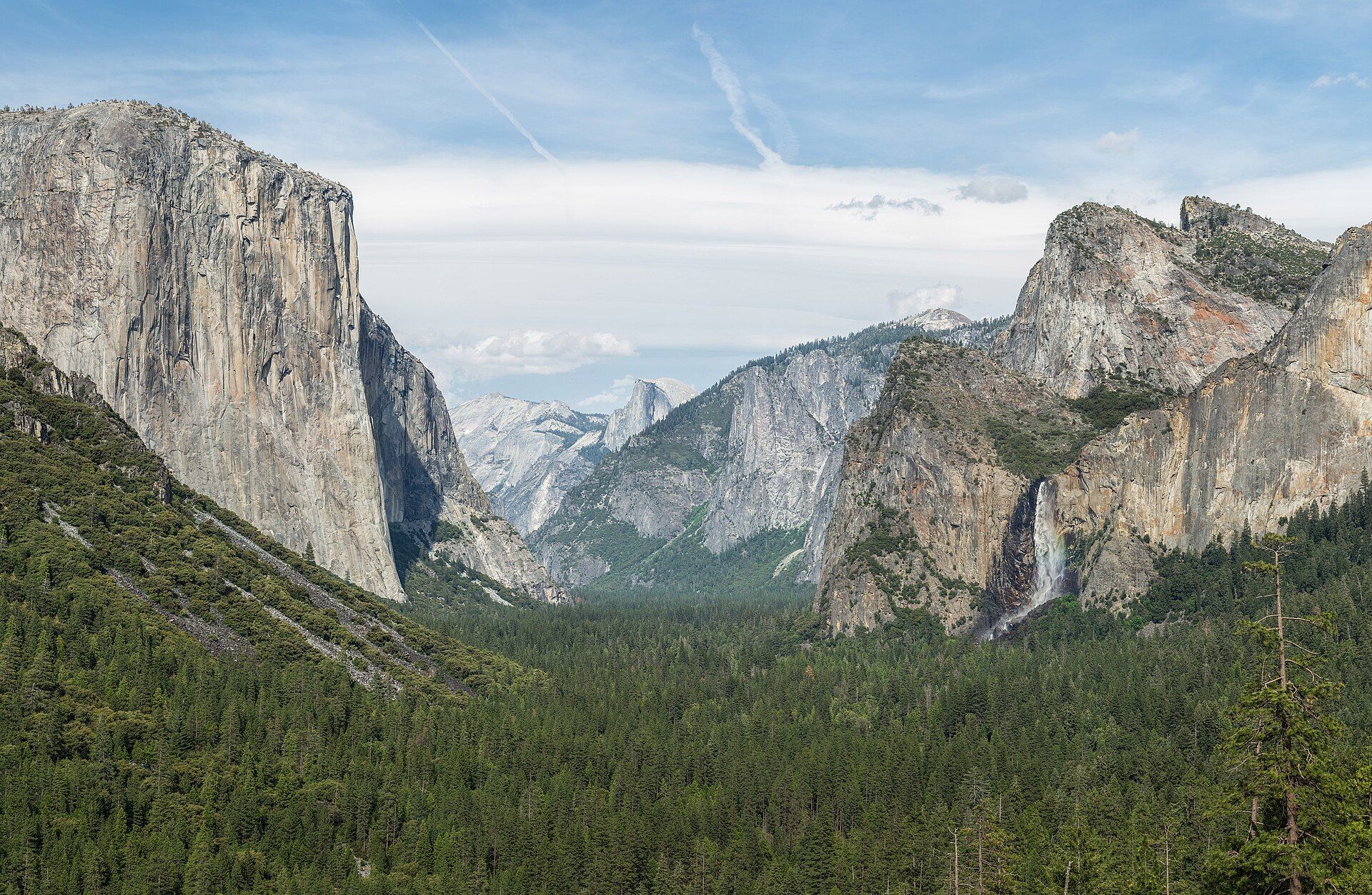
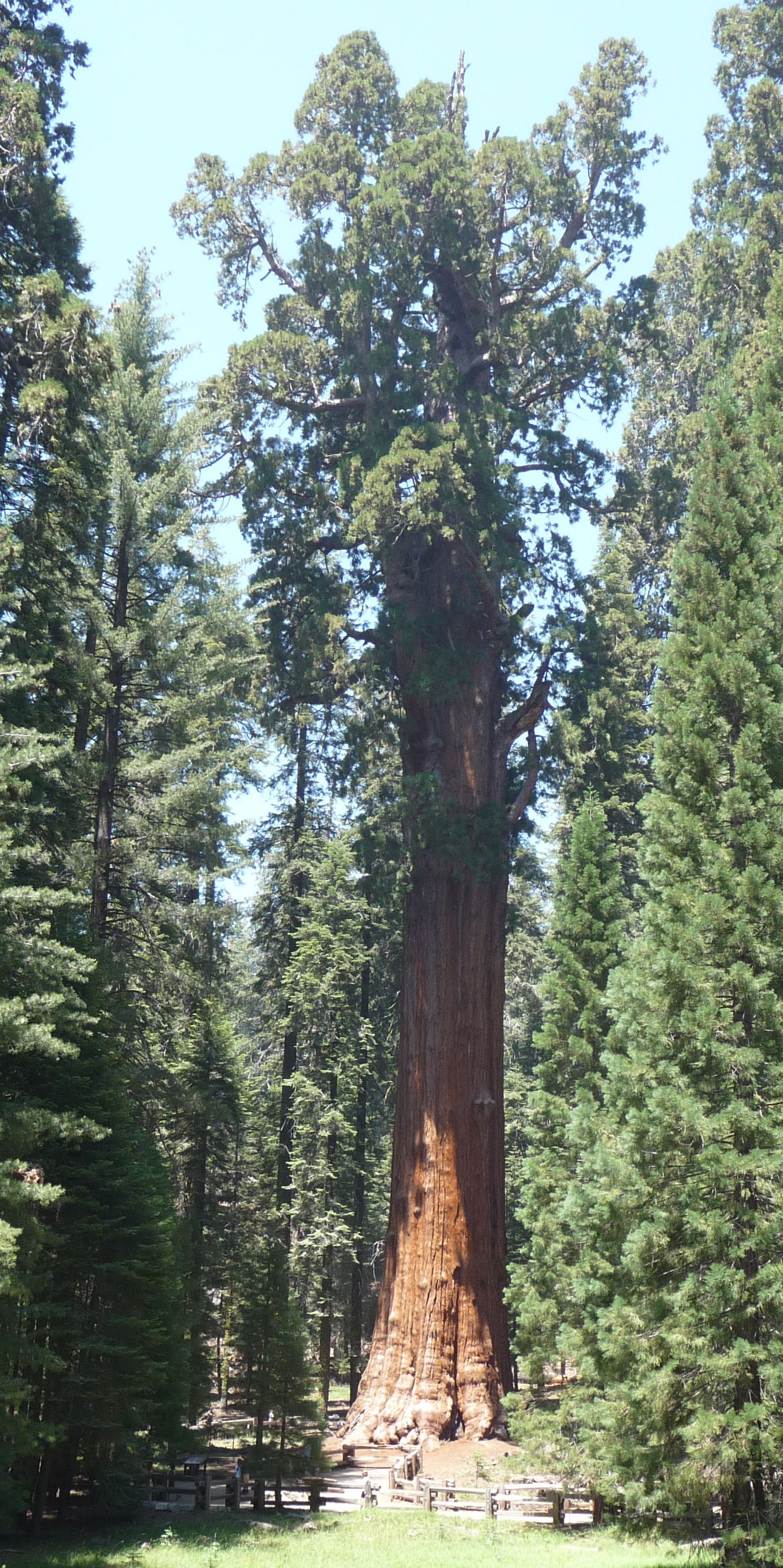
Yosemite Valley is a glacier-carved granite trench with 900-metre walls, El Capitan, Half Dome and some of North America's tallest waterfalls. Sequoia — managed together with Kings Canyon — protects the Giant Forest, where General Sherman stands roughly 84 metres tall with a trunk over 11 metres across at the base, the largest living thing on Earth by volume.
Yosemite
Granite walls and snowmelt waterfalls
Glaciers ground through a river valley and left polished granite walls rising almost vertically, including El Capitan and the dome of Half Dome. Snowmelt pours off the rim as Yosemite Falls and others; meadows and the Merced River fill the floor, and the park has sequoia groves of its own.
- El Capitan, Half Dome and Tunnel View
- Waterfalls at full flow in late spring
- A huge range of hikes, from paved loops to the Half Dome cables
Sequoia
The Giant Forest and General Sherman
Giant sequoias grow only in scattered groves on the western Sierra Nevada. In the Giant Forest, General Sherman holds more wood than virtually any other single organism alive and is estimated at over two thousand years old. Short, mostly flat trails such as the Congress Trail lead among the giants.
- Standing at the base of the largest living thing on Earth
- Easy, gentle forest trails
- One entry fee covers Sequoia and Kings Canyon
Head to head
| What matters | Yosemite | Sequoia |
|---|---|---|
| The scenery Edge: Yosemite | Vertical granite, free-falling water and open meadows — big views. | Inside a forest of enormous trunks; the scale is overhead and hard to photograph. |
| Getting there Edge: Toss-up | About 2 hours from Fresno to the South Entrance, then about 1 hour more to the valley; YARTS buses run from Merced and Fresno. | From Visalia, about 1 hour to the Ash Mountain entrance, then 45 minutes to an hour of steep switchbacks to the Giant Forest. |
| Time needed Edge: Sequoia | Three days for the valley; more with Tuolumne and the high country. | A full day for the Giant Forest; two if you add Kings Canyon. |
| Reservations and permits Edge: Toss-up | Peak-hours entry reservations have applied in several recent seasons, with rules revised year to year. Half Dome's cables need a lottery permit. | One entry fee, valid for a week, covers Sequoia and Kings Canyon; check the National Park Service for any reservation rules on your dates. |
| Roads and vehicles Edge: Toss-up | Tioga Road and Glacier Point Road close for snow much of the year; chains must be carried when conditions require. | Highway 198 has a vehicle-length restriction on the switchbacks; chains are needed roughly November–April on the Generals Highway. |
| Best time Edge: Toss-up | May–June for the waterfalls (Yosemite Falls can be dry by August); autumn for crisp weather and fewer people. | May–October for open roads and trails; winter brings deep snow and limited access. |
| Crowds Edge: Sequoia | Very heavy in the valley from late spring through summer; parking is the main frustration. | The General Sherman boardwalk is crowded in summer, but 15 minutes into the Congress Trail it empties out. |
| Hazards Edge: Toss-up | Black bears — food in lockers, nothing scented in the car. | Wildfire has closed sections and burned groves in recent years; bears too, with lockers enforced. |
Which should you choose?
Choose Yosemite if…
…you have three days, are visiting in late spring for the waterfalls, and want the classic granite views and bigger hikes.
Choose Sequoia if…
…you have a day, want gentle walks, are driving a car within the length limit, or prefer quieter trails once away from General Sherman.
The honest verdict
For most first-time visitors, Yosemite is the bigger experience — but only if your entry reservation situation works for your dates. Check that with the National Park Service before you book anything.
Sequoia is easier to plan, gentler on foot and quieter, and nowhere else lets you stand beside the largest living thing on Earth. Yosemite has sequoia groves too, but not General Sherman.
With four or five days, do both from Fresno. Check road, chain, fire and reservation status for each park with the National Park Service before you go.
Wonders mentioned here
Added