Head to head · Cebu's shore-entry sardine school vs Negros' community-run turtle sanctuary
Moalboal vs Apo Island: Sardines or Sea Turtles — Which Snorkelling Trip?
Both are big-animal snorkels you can do without diving, and both are at their best in roughly March–June, so the choice comes down to which animal and which island. At Moalboal, on Cebu's sheltered west coast, a resident school of millions of sardines hangs over a reef wall that drops from about 5 m to 40 m and more — and you can swim to it from Panagsama Beach with no boat at all. Apo Island, a small volcanic island off Negros Oriental, is ringed by a community-run marine sanctuary of about 12 hectares, famous for green sea turtles grazing seagrass in the shallows.
The logistics differ more than the water. Moalboal is about 3–4 hours (roughly 90 km) by road from Cebu City, then a short walk to the beach. Apo is about 90 minutes from Dumaguete: 30–40 minutes by road to Malatapay, then a 30–45-minute boat crossing that is cancelled in rough seas. Apo's sanctuary charges entry and snorkelling fees and requires a guide inside the sanctuary zone; at Moalboal a small sanctuary or entry fee may apply.
Moalboal
A silver tornado off the beach
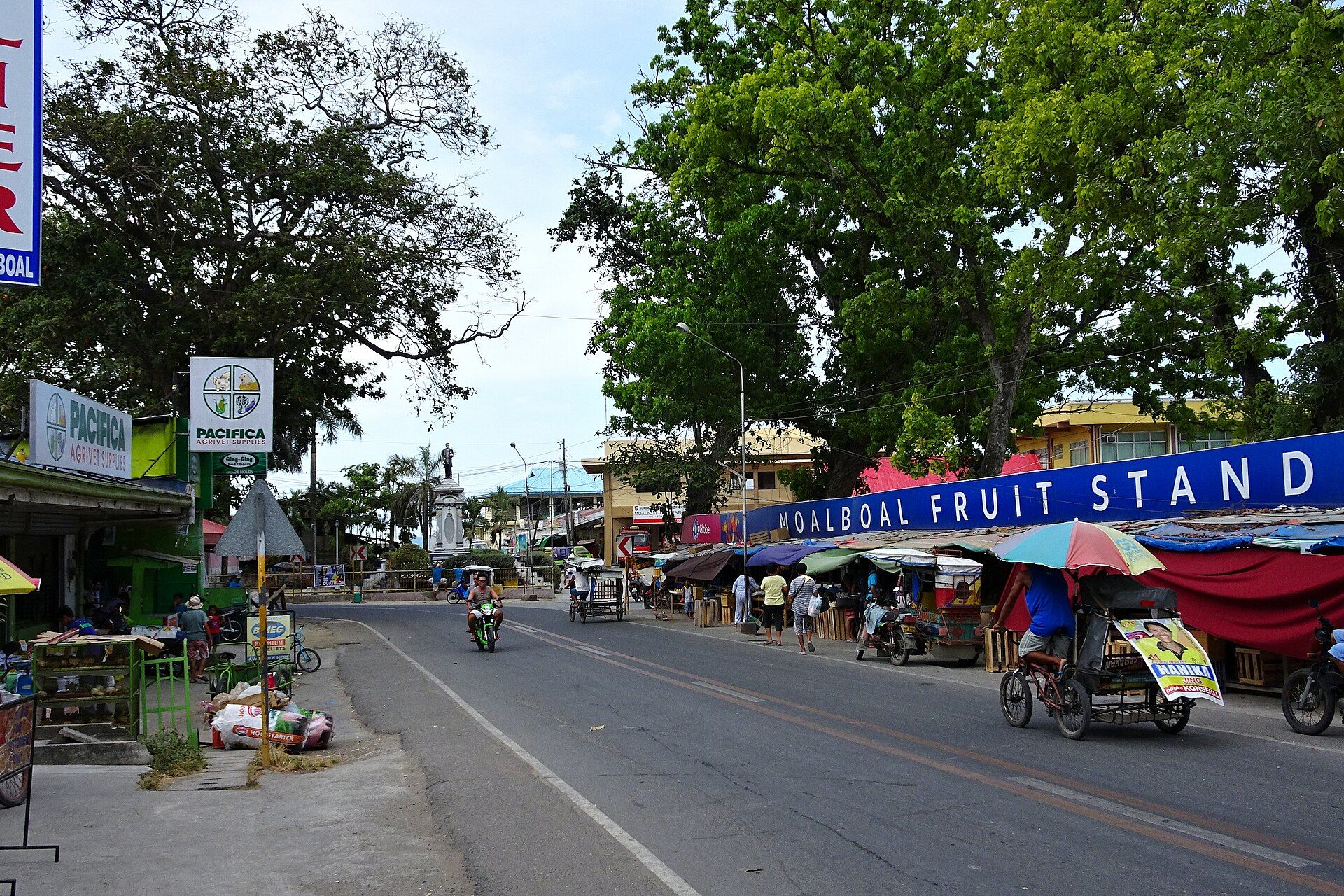
Panagsama Beach on Cebu's west coast: a resident sardine school over a reef wall, turtles along the wall, and Pescador Island for divers.
- Shore entry — no boat needed
- Sardines present all year
- Dive shops for Pescador Island and wall dives
Apo Island
Turtles in a reef its villagers rebuilt
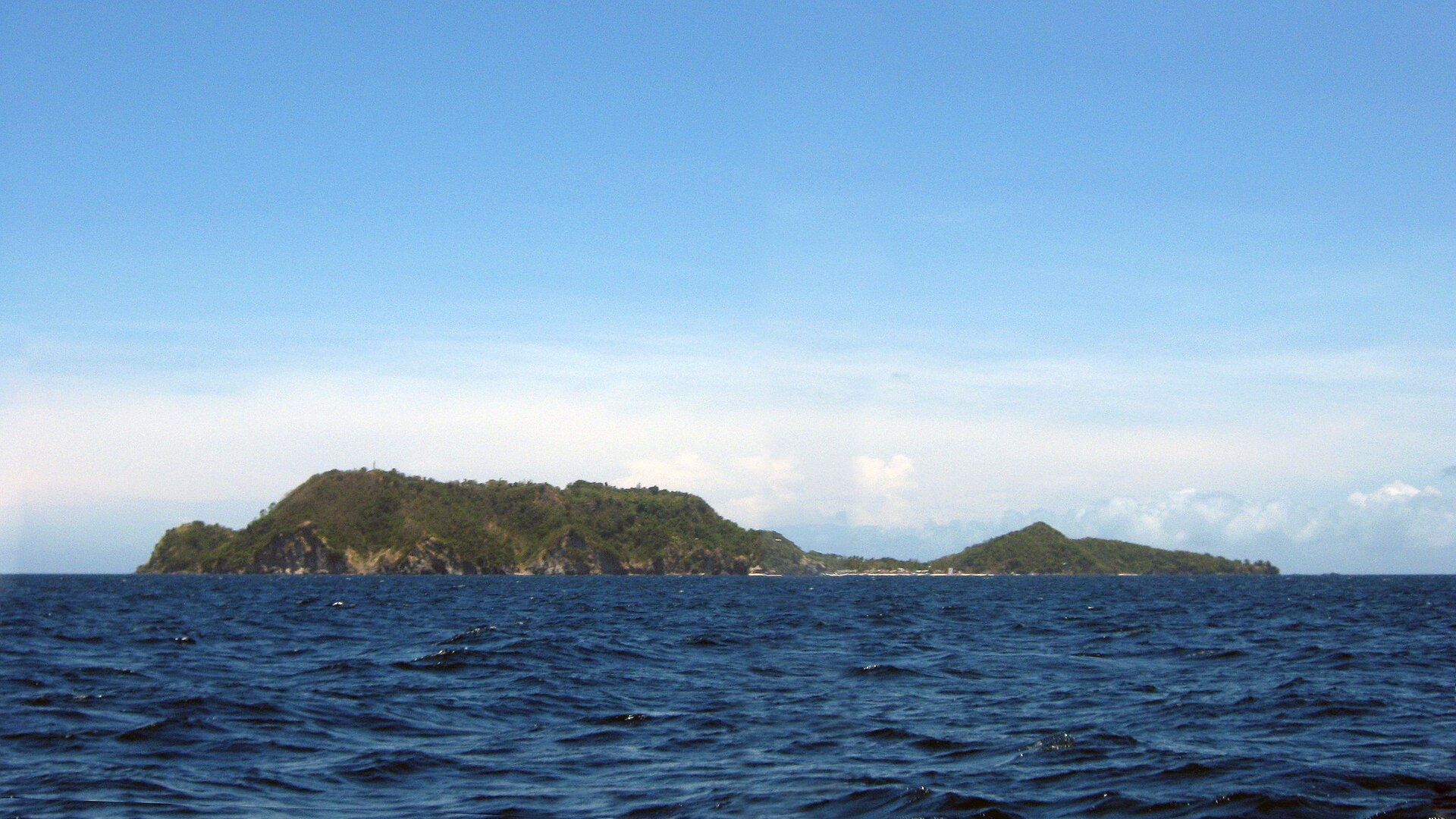
A community-managed sanctuary off Dauin, Negros Oriental, rebuilt by islanders after dynamite fishing; habituated green turtles in shallow seagrass.
- Turtles easy to find in shallow water
- A celebrated community-run sanctuary
- Quiet early and late if you stay over
Head to head
| What matters | Moalboal | Apo Island |
|---|---|---|
| The star Edge: Toss-up | A resident sardine school of millions, bunching into rolling silver walls; turtles on the wall too. | Habituated green turtles grazing seagrass just off the beach. |
| Getting there Edge: Toss-up | About 3–4 h (roughly 90 km) by road from Cebu City, then a short walk to Panagsama Beach. | Fly to Dumaguete, 30–40 min by road to Malatapay, then a 30–45-min boat — about 90 min in all. |
| Getting in the water Edge: Moalboal | Swim out from the beach; the school is a few metres offshore above the drop-off. | Rocky, surge-prone shore entries; reef booties recommended. |
| Rules and fees Edge: Toss-up | A small marine-sanctuary or entry fee may apply; keep fins off the coral and don't chase turtles or crowd the school. | Entry and snorkelling fees collected on the island; a guide is required in the sanctuary zone; no touching, no standing on coral, a set distance from animals. |
| Currents and sea state Edge: Moalboal | Generally more settled than Cebu's typhoon-facing east, but watch the current and the drop-off; check daily conditions. | Strong currents on the exposed sides and past the point; boat crossings cancelled in rough seas, and day trippers occasionally get stranded. |
| Best months Edge: Toss-up | Good all year; March–June for the calmest water and best visibility. | Roughly March–June, the drier months, for visibility and gentle conditions. |
| Crowds Edge: Toss-up | Dawn and late afternoon bring softer light and fewer people in the water. | Day-trip boats cluster mid-morning; overnight guests get the reef to themselves early and late. |
| Staying over Edge: Moalboal | Snorkel rental and dive shops locally. | A handful of small resorts and homestays; limited, scheduled electricity, cash only and no ATM. |
| Diving Edge: Moalboal | Wall dives along the drop-off and Pescador Island's sheer flank and swim-throughs. | Basic dive operations around the island. |
Which should you choose?
Choose Moalboal if…
…you are based in Cebu, want a no-boat, swim-from-the-beach snorkel any day of the year, and would like to add wall dives or Pescador Island.
Choose Apo Island if…
…you are in Dumaguete or Dauin, want close, calm encounters with green turtles, and can stay a night on the island to beat the day-trip boats.
The honest verdict
Choose by base and by animal. From Cebu, Moalboal is the obvious trip: no boat and a sardine school that is there all year. From Dumaguete, Apo Island is the classic, and its turtles are easy to find in shallow water.
Moalboal is the more weather-proof of the two because you never need a boat; Apo's crossing is cancelled in rough seas, so build slack into your plan. Apo, in turn, has the stricter rules and the stronger currents — the guide requirement exists for both reasons.
At either, keep your distance from the animals, keep off the coral and wear a rashguard rather than chemical sunscreen where you can. Both are at their calmest and clearest in roughly March–June.
Wonders mentioned here
Added