Head to head · two record-breaking lakes
Lake Baikal vs Lake Titicaca: The Deepest Lake on Earth vs the Highest Navigable One
Short answer: they hold different records. Lake Baikal in Siberia is the deepest lake on Earth at 1,642 metres and the oldest, at around 25 million years; it holds roughly a fifth of all the unfrozen fresh water on the planet. Lake Titicaca, on the Peru–Bolivia border, spreads over more than 8,000 km² at 3,812 metres — the highest large navigable lake in the world and South America's largest by volume.
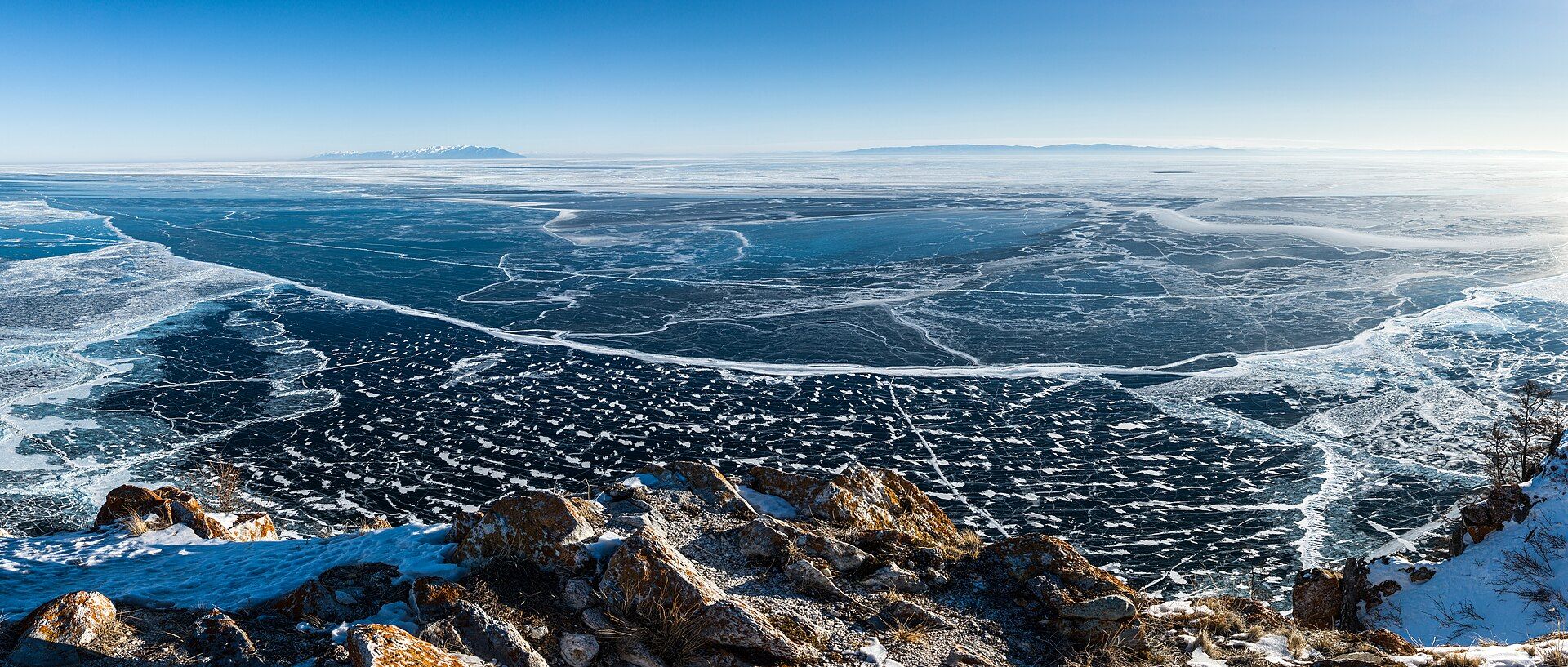
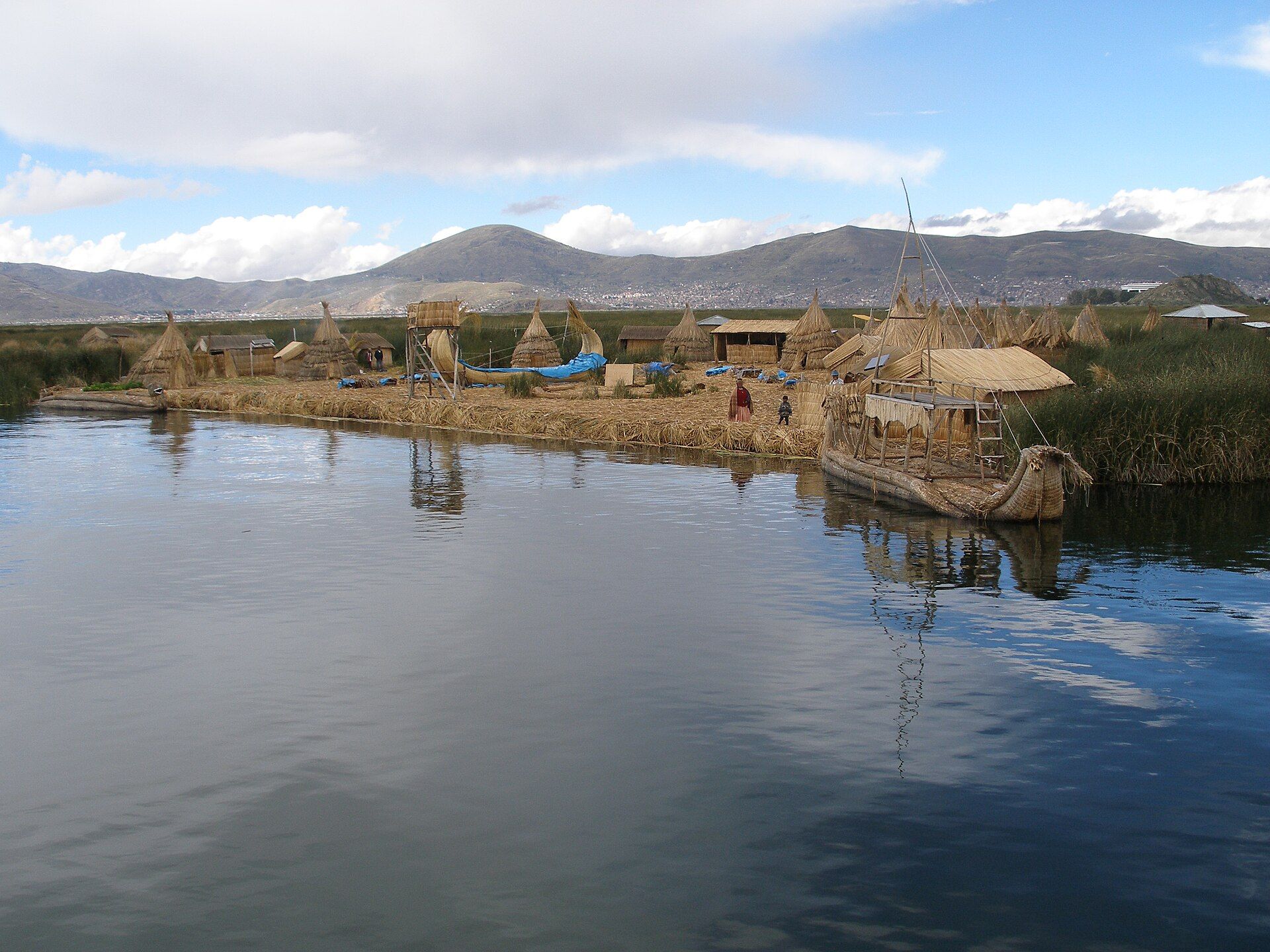
As places to visit they are opposites. Baikal's famous face is winter, when it freezes a metre thick and clear enough to walk on. Titicaca is best in the dry season, May to October, and its draw is as much human as natural: the Uros people's floating reed islands and homestays on Taquile and Amantaní.
Lake Baikal
Deepest and oldest lake on Earth
A Siberian rift lake 1,642 metres deep and around 25 million years old, holding roughly a fifth of the world's unfrozen fresh water — more than all five North American Great Lakes combined. About four-fifths of its animal species live nowhere else, including the nerpa, the only exclusively freshwater seal. A UNESCO World Heritage Site.
- The deepest and oldest lake on Earth
- Metre-thick clear turquoise ice, roughly February to March
- Water transparent to about 40 metres
- The nerpa, the world's only freshwater seal
Lake Titicaca
Highest large navigable lake
An Andean inland sea of more than 8,000 km² at 3,812 metres on the Peru–Bolivia border, the largest lake in South America by volume. Home to the Titicaca water frog, which breathes through folds of loose skin, and to the Uros people's floating islands built from totora reeds. A Ramsar wetland and national reserve.
- The highest large navigable lake in the world
- Floating reed islands of the Uros people
- Island homestays on Taquile and Amantaní
- Snow peaks of the Cordillera Real across the water
Head to head
| What matters | Lake Baikal | Lake Titicaca |
|---|---|---|
| The record Edge: Toss-up | Deepest (1,642 m) and oldest (around 25 million years) lake on Earth. | Highest large navigable lake, at 3,812 m. |
| Water Edge: Lake Baikal | About a fifth of the world's unfrozen fresh water; transparent to around 40 m. | South America's largest lake by volume, over more than 8,000 km². |
| Wildlife Edge: Lake Baikal | About four-fifths of its animal species are endemic, including the nerpa seal. | Endemic species including the Titicaca water frog. |
| People and culture Edge: Lake Titicaca | Lakeside villages such as Listvyanka and Olkhon Island's settlements. | The Uros floating reed islands and community-run homestays on Taquile and Amantaní. |
| Best time Edge: Toss-up | February–March for walkable clear ice; June–September for open water and hiking. Avoid freeze-up and break-up. | Dry season, roughly May–October; nights are freezing all year. |
| Getting there Edge: Lake Titicaca | Fly or take the Trans-Siberian to Irkutsk; Listvyanka is 1–1.5 hours by road, Olkhon 5–6 hours with a ferry. Check your government's travel advisory for Russia. | Fly Lima to Juliaca, then about an hour to Puno, or a long overland day from Cusco. Acclimatise before any exertion at this altitude. |
Which should you choose?
Choose Lake Baikal if…
Travellers drawn to extremes of nature — walking on metre-thick clear ice in late winter, or hiking above cold, transparent water in the Siberian summer — who have checked the current travel advisory for Russia.
Choose Lake Titicaca if…
Travellers already in southern Peru or Bolivia who want a high-altitude lake with living culture on the water: reed islands, homestays and snow peaks, in the dry season after acclimatising in Cusco, Puno or Arequipa.
The honest verdict
Baikal is the greater natural phenomenon: deeper, older and holding far more water than any other lake, with a largely endemic fauna. Titicaca's record is altitude, and its pull is the combination of thin, bright Andean light and the communities who live on and around the water.
For most travellers the choice follows the trip. Titicaca slots easily into a Peru or Bolivia itinerary; Baikal is a destination in itself, best planned around the late-winter ice.
Wonders mentioned here
Added