Head to head · Two famous highland lakes
Lake Atitlán vs Lake Titicaca: Which Latin American Lake Should You Visit?
Lake Atitlán and Lake Titicaca are the two highland lakes most travellers in Latin America end up choosing between, and they are very different places. Atitlán is a deep caldera lake in Guatemala's highlands, about 130 km², with three volcanoes on its southern shore and villages linked by small passenger boats. Titicaca spreads over more than 8,000 km² of the Andean Altiplano on the Peru–Bolivia border, at 3,812 metres.
Two facts decide most trips. Altitude: Atitlán sits at about 1,560 m and is comfortable on arrival, while Titicaca is high enough that people feel ill stepping off the bus without acclimatising. Season: their dry seasons fall in opposite halves of the year, November–April at Atitlán and May–October at Titicaca.
Lake Atitlán
A caldera lake under three volcanoes
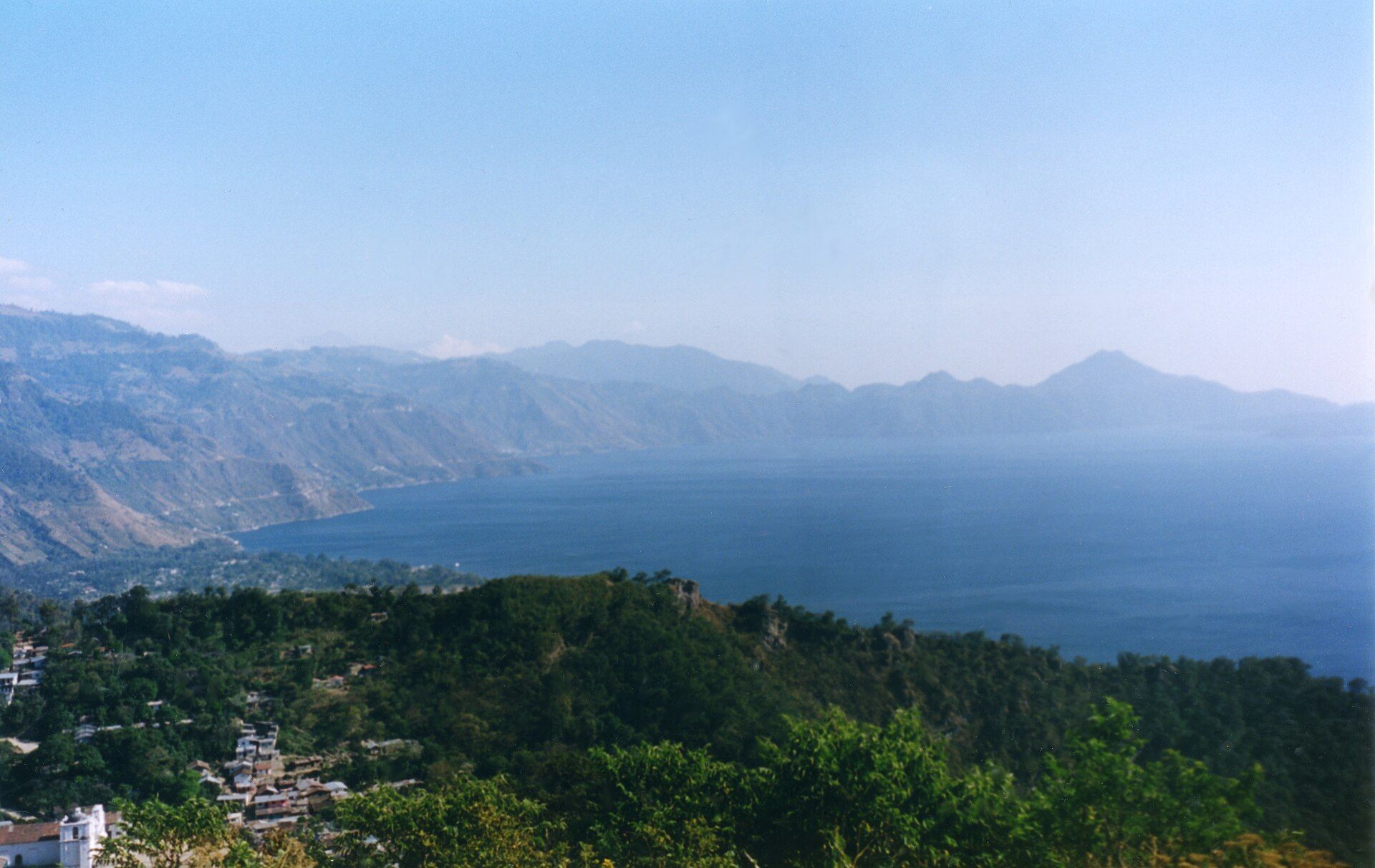
Lake Atitlán fills a caldera left by a huge eruption about 84,000 years ago. It is over 300 metres deep, among the deepest lakes in Central America, and covers about 130 km² at roughly 1,560 metres. The volcanoes San Pedro, Tolimán and Atitlán rise from its southern shore. Maya villages ring the lake, connected mostly by public launch boats rather than roads, and it is about three hours by road from Guatemala City or Antigua.
- Volcano views from the water, and volcano hikes from the villages
- A comfortable altitude, with no acclimatisation needed
- Several villages to base in, each with a different feel
Lake Titicaca
The highest large navigable lake on Earth
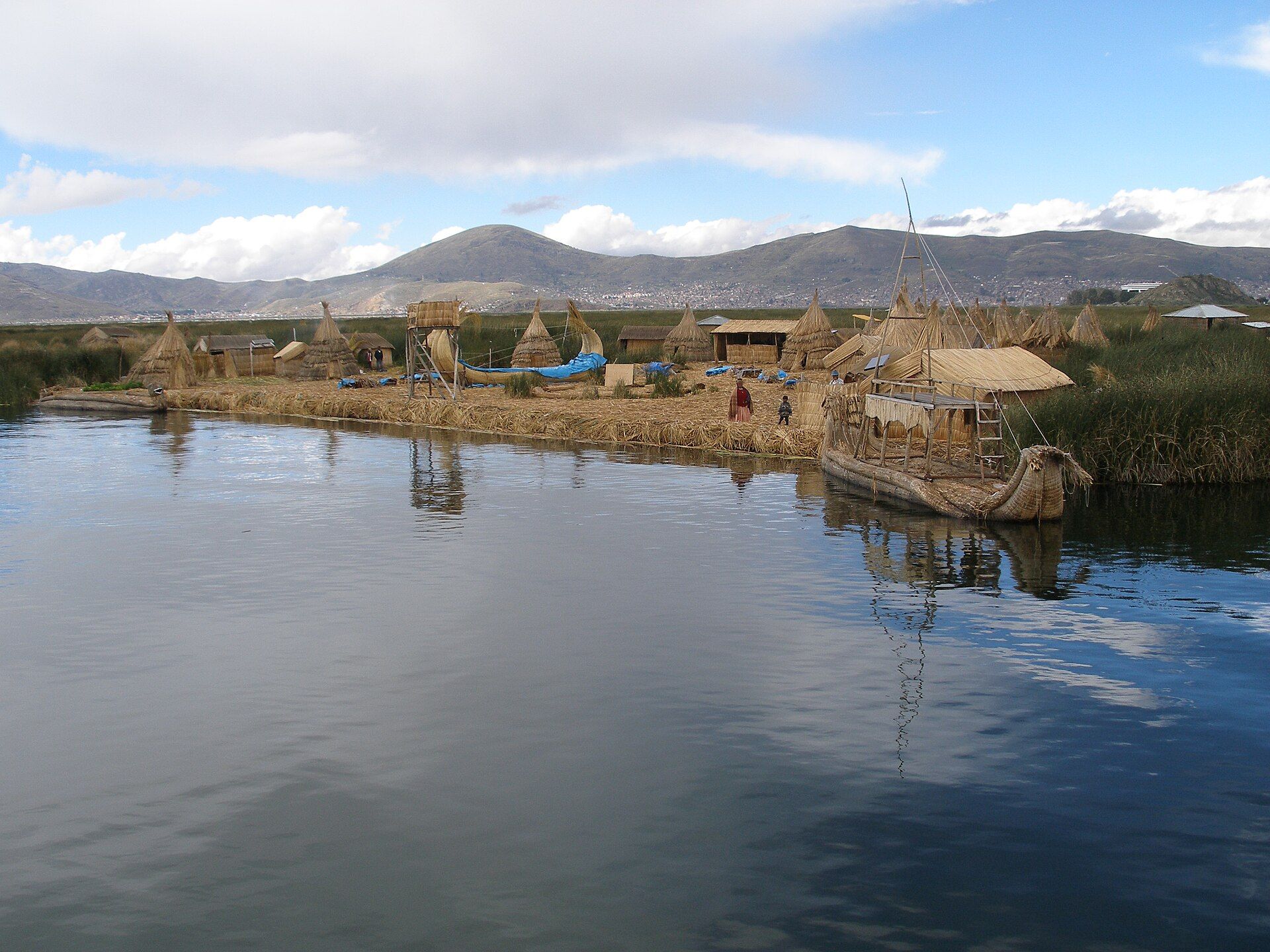
Lake Titicaca covers more than 8,000 km² of the Altiplano at 3,812 metres, the highest large navigable lake in the world and South America's largest lake by volume. Snow peaks of the Cordillera Real line the horizon, and its waters hold endemic species such as the Titicaca water frog. Boats from Puno run to the Uros reed islands, Taquile and Amantaní, and Bolivia's Isla del Sol is reached from Copacabana. It is a Ramsar wetland.
- Sheer scale: an inland sea under Andean snow peaks
- Floating reed islands and overnight island homestays
- Fits a Peru or Bolivia route via Cusco, Puno or Copacabana
Head to head
| What matters | Lake Atitlán | Lake Titicaca |
|---|---|---|
| Altitude Edge: Lake Atitlán | About 1,560 m. Mornings and evenings are cool but there is no altitude sickness to plan around. | 3,812 m. Acclimatise in Cusco, Puno or Arequipa first; nights are freezing year-round. |
| Size and depth Edge: Lake Titicaca | About 130 km², over 300 m deep. Small enough to cross by launch in well under an hour between neighbouring villages. | More than 8,000 km², South America's largest lake by volume. From the shore it reads as a sea. |
| Best season Edge: Toss-up | The dry season, roughly November–April. The Xocomil wind makes afternoons choppy all year, so cross in the morning. | The dry season, roughly May–October, for clear skies and calm water. |
| Getting there Edge: Lake Atitlán | About 3 hours by road from Guatemala City or Antigua to Panajachel; half a day in all. | Fly Lima to Juliaca and drive about an hour to Puno, or take the long train or bus from Cusco. |
| What you do there Edge: Toss-up | Boat between villages, hike San Pedro (or the tougher Tolimán and Atitlán) with a local guide, kayak, and visit weaving and market towns. | Boat to the Uros reed islands, stay overnight with a family on Taquile or Amantaní, and cross to Isla del Sol from the Bolivian side. |
| Time needed Edge: Toss-up | 2–3 days to see several villages and climb or kayak. | Two days with an island homestay, after acclimatising. |
Which should you choose?
Choose Lake Atitlán if…
…you are travelling in Guatemala or Central America between November and April, want volcanoes in the view, and don't want to deal with altitude.
Choose Lake Titicaca if…
…you are already on a Peru or Bolivia route via Cusco, are travelling between May and October, and want the scale of the Altiplano and an island homestay.
The honest verdict
For most people the choice is made by the route and the month. Their dry seasons are opposite: Atitlán is best from November to April, Titicaca from May to October. If you are travelling in Guatemala, Atitlán is a half-day's drive from Antigua; if you are doing Cusco and Machu Picchu, Titicaca is the natural next stop.
On the experience itself, choose Atitlán for the view — three volcano cones over a deep blue lake — and an easy, comfortable stay at 1,560 metres. Choose Titicaca for scale and altitude: an inland sea at 3,812 metres, reed islands and a night with a family on Taquile or Amantaní, at the cost of acclimatising first and very cold nights.
Wonders mentioned here
Added