Head to head · The world's largest reef system vs an island nation made of coral
Great Barrier Reef vs Maldives: Which Is Better for Snorkelling and When?
Short answer: choose by month. The Great Barrier Reef is at its clearest and calmest from June to October; the Maldives from about November to April. In the other half of the year each is wetter, windier or (on the reef) stinger season, so the calendar usually makes the decision for you.
Beyond the season, they are different trips. The Great Barrier Reef is a reef you visit — day boats and liveaboards run out from Cairns, Port Douglas or the Whitsundays, about 1½ to 2 hours to the outer reef. The Maldives is a reef you live on: you fly to Malé, transfer to an island by speedboat or seaplane, and snorkel the house reef from the beach for a week.
Great Barrier Reef
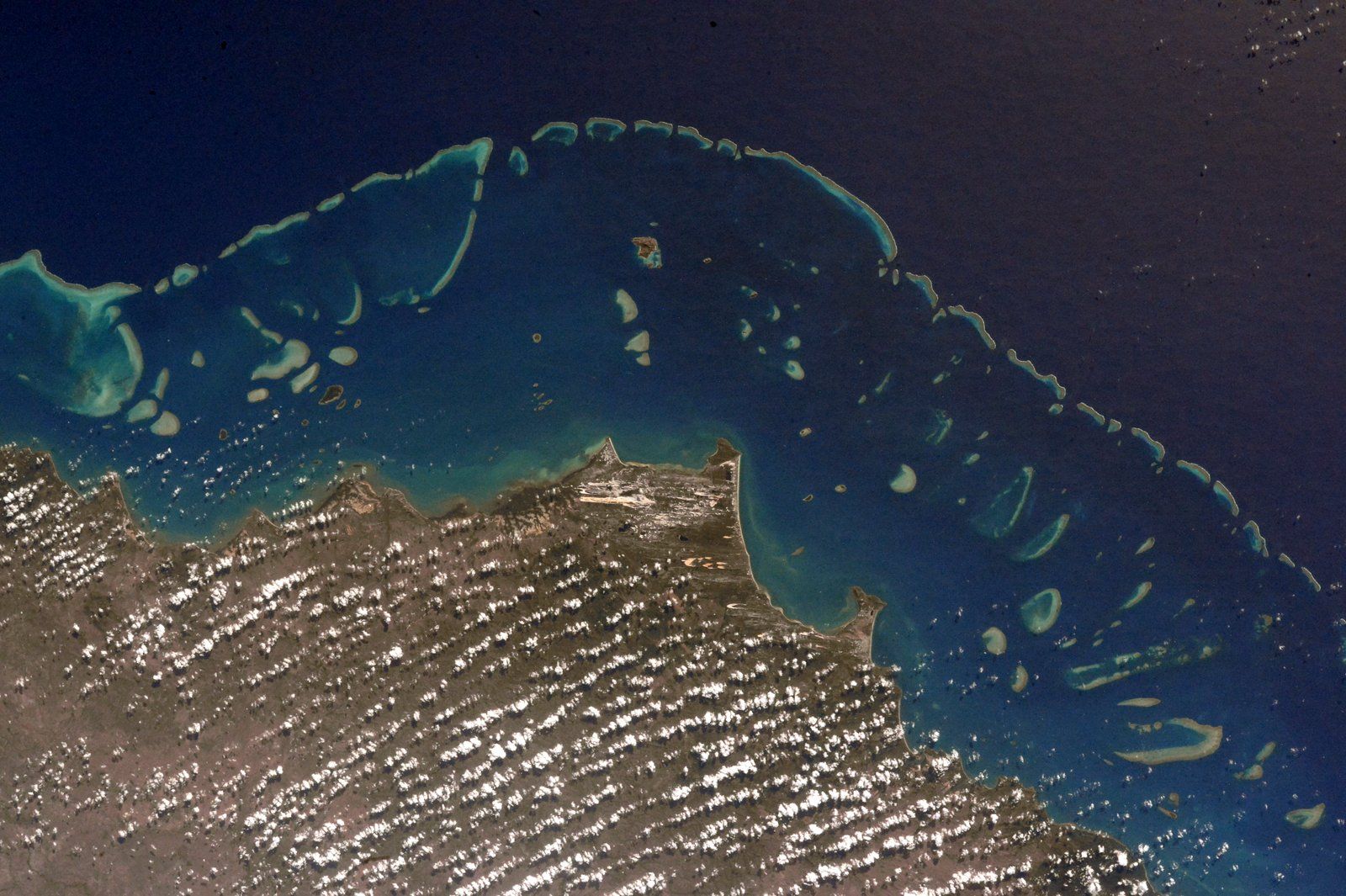
The largest structure built by living things
About 2,300 km of nearly 3,000 individual reefs and hundreds of islands off Queensland, covering some 344,000 km² — home to over 1,500 species of fish, 400 kinds of coral, turtles, dugongs, sharks and whales. A UNESCO World Heritage Site and marine park.
- Sheer scale and variety — from island fringing reefs to outer-reef walls
- Easy day trips from Cairns and Port Douglas, or several days on a liveaboard
- Can be combined with the Daintree rainforest and the rest of an Australia trip
Maldives
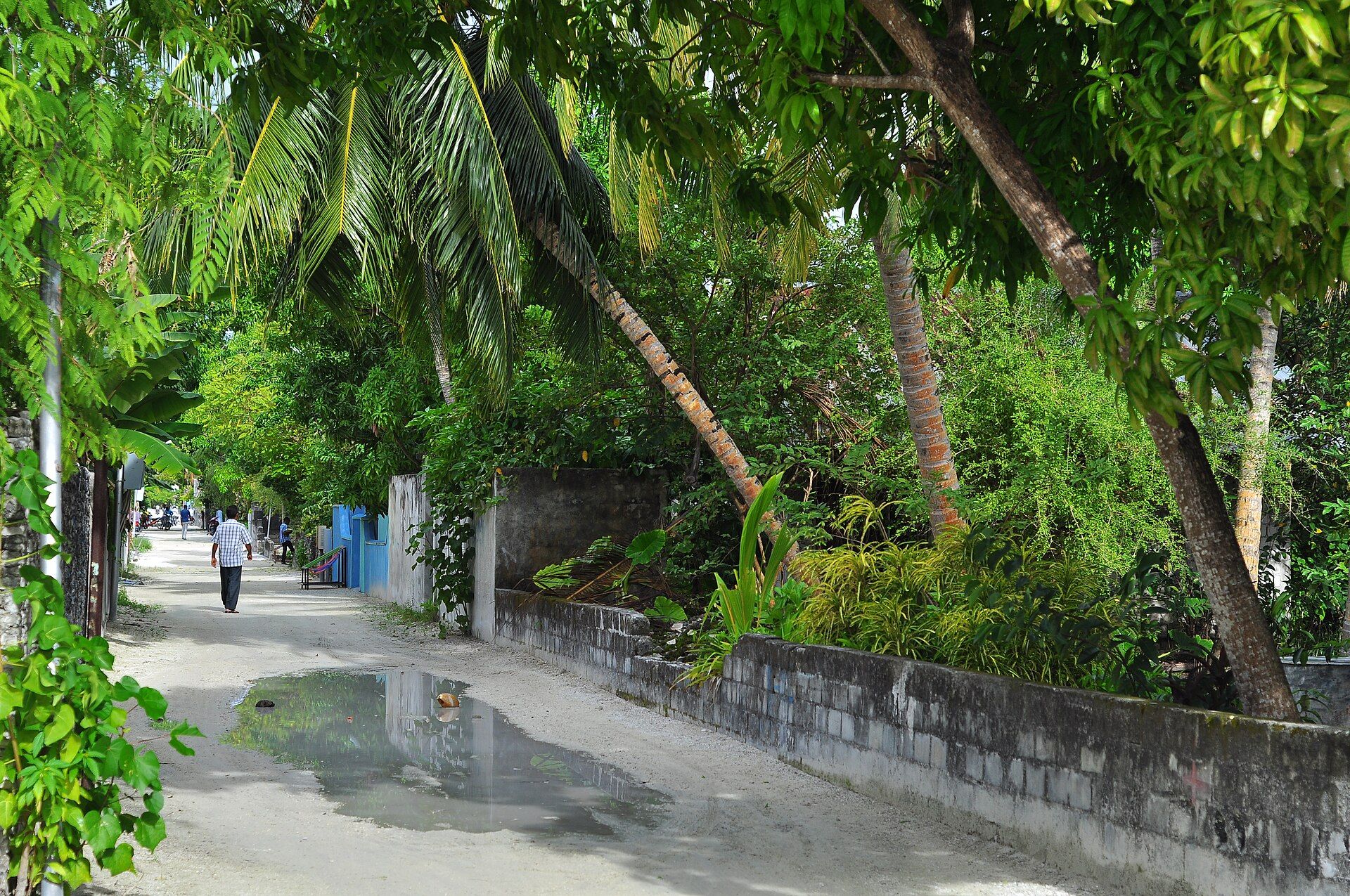
A country built entirely of coral
Some 26 ring-shaped atolls made of nearly 1,200 low-lying coral islands — the lowest and flattest country in the world. Warm, clear lagoons with reef sharks, rays, manta rays and whale sharks; encounters vary by season and atoll.
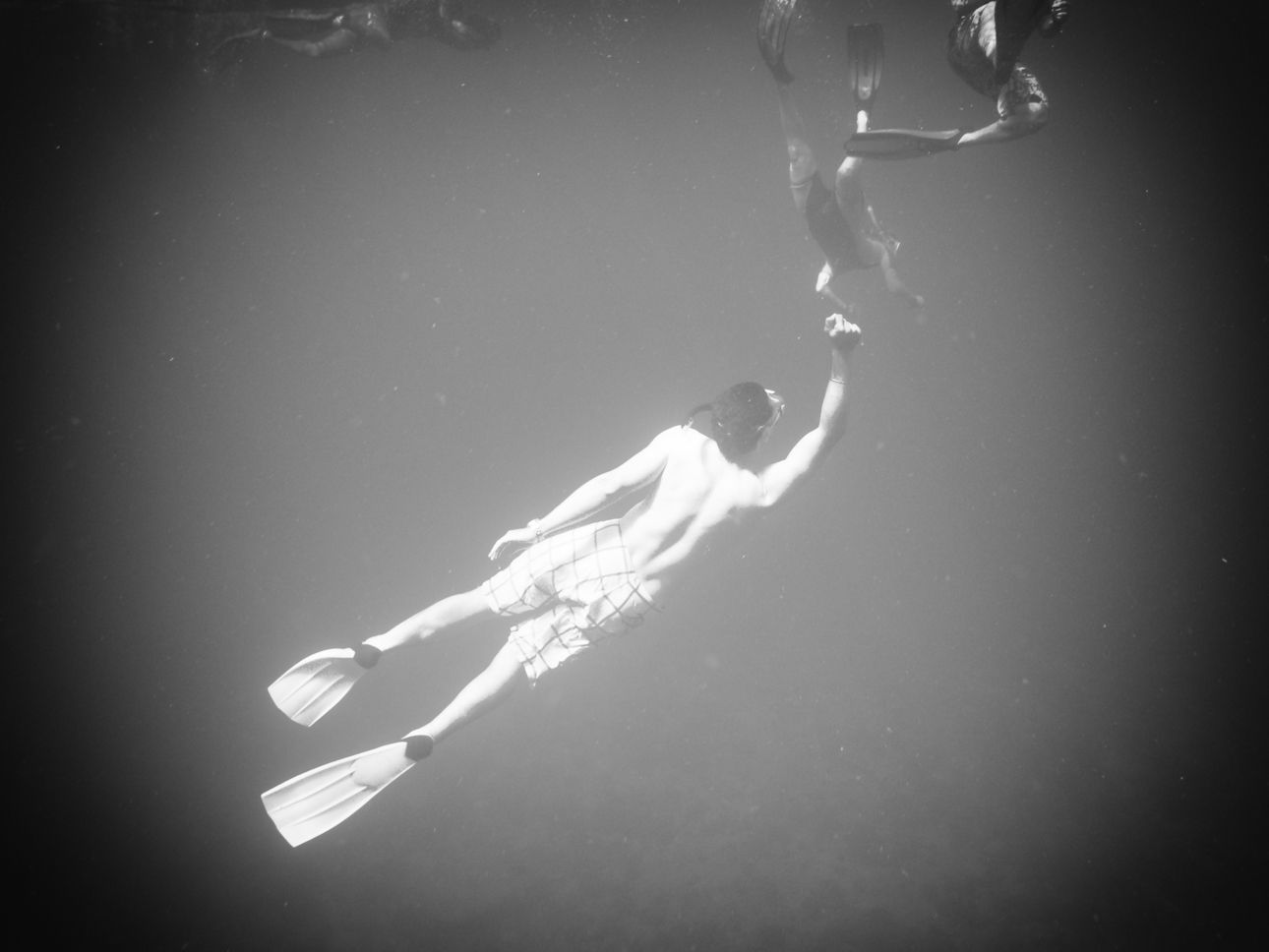
- Reef straight off the beach — snorkel the house reef whenever you like
- Manta rays and whale sharks in season, depending on the atoll
- Two kinds of trip: private resort islands or ferry-served local islands
Head to head
| What matters | Great Barrier Reef | Maldives |
|---|---|---|
| Best months Edge: Toss-up | June to October (dry season) for the clearest water, calmest seas and best visibility. | Roughly November to April (the dry north-east monsoon) for calm, clear water and sunshine. |
| How you reach the reef Edge: Maldives | A boat trip every time: about 1½ to 2 hours to the outer reef, often rough; inner reef and island sites are closer. | Usually from your own beach, after a transfer from Malé of 20 minutes to half a day by speedboat or seaplane. |
| Time needed Edge: Great Barrier Reef | A day for a single reef trip; 3+ days to see real variety; liveaboards run several days. | A week is the usual stay. |
| Hazards and rules Edge: Toss-up | Box jellyfish and Irukandji roughly November to May — wear the stinger suit operators supply. No visitor permit; the marine-park charge is in the fare. | On local islands, modest dress away from marked "bikini beaches" and no alcohol; resort islands are private and anything goes on the beach. |
| Scale and variety Edge: Great Barrier Reef | A reef system 2,300 km long, with nearly 3,000 reefs — but condition varies a great deal by site and year, so ask operators which sites are in good shape. | 26 atolls; what you see depends on which atoll and island you pick, and transfers set the shape of the trip. |
| Ease once you're there Edge: Maldives | Excellent services in Cairns and Port Douglas; at the reef, only what your boat carries. Seasickness is common on the crossing. | Complete on resort islands, more basic on local islands — everything on a resort is priced by the resort. |
Which should you choose?
Choose Great Barrier Reef if…
…you are travelling June to October, want the world's biggest reef system on a wider Australia trip, or plan to dive several sites from a liveaboard.
Choose Maldives if…
…you are travelling November to April and want to wake up next to the reef and snorkel from the beach for a week.
The honest verdict
Between June and October, choose the Great Barrier Reef: it is in its clearest, calmest season while the Maldives is in its wetter, windier south-west monsoon.
Between November and April, choose the Maldives — and if you go to Queensland anyway in those months, plan on wearing a stinger suit.
For snorkellers who don't love boats, the Maldives' house reefs are the easier experience; for divers who want variety and scale, the Great Barrier Reef from a liveaboard is hard to beat. Either way, use reef-safe sunscreen and a rash top, and touch nothing.
Wonders mentioned here
Added