Head to head · two World Heritage Areas side by side in Far North Queensland
Daintree or Great Barrier Reef: Which Day Trip from Cairns or Port Douglas?
From Cairns or Port Douglas you can reach both of Far North Queensland's World Heritage Areas — and at Cape Tribulation they literally meet, with rainforest running down to the Coral Sea. The Daintree covers roughly 1,200 km² of tropical rainforest, the largest continuous block in Australia, about 2 hours' drive north of Cairns or 45 minutes from Port Douglas, across a cable ferry. The Great Barrier Reef is reached by boat: about 1h30–2h to the outer reef from Cairns, with operator fares that include the marine park charge.
Most visitors want both, so the real questions are which first and when. The reef's clearest, calmest water is June–October, and from roughly November to May a stinger suit is a must for box jellyfish and Irukandji. The Daintree is easiest in the dry season, roughly May–October; from about December to March it is very wet, with cyclone risk and road closures.
Daintree
Rainforest to the beach
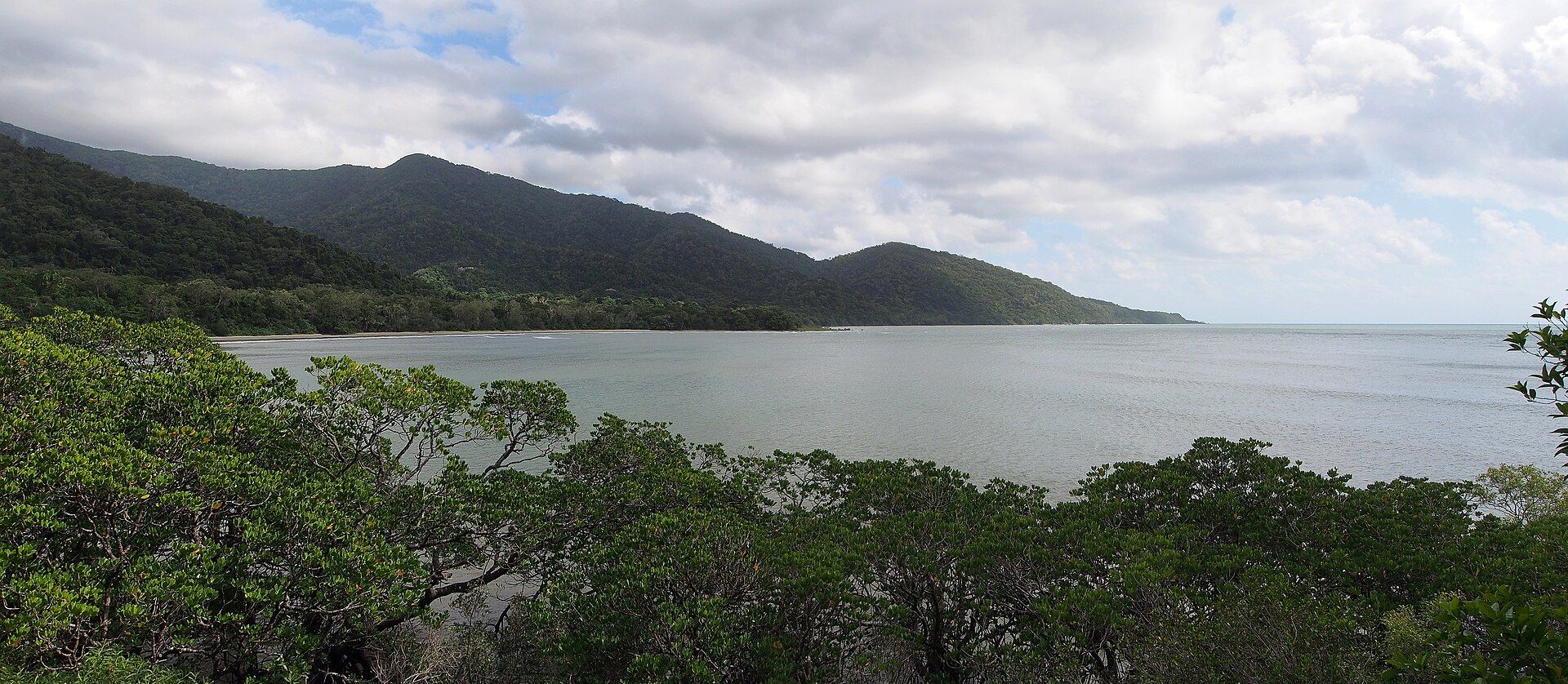
About 1,200 km² of tropical rainforest in the Wet Tropics World Heritage Area (1988), with boardwalks, lookouts and Cape Tribulation where mountains meet the sea.
- Free national park; self-drive
- Boardwalks and lookouts for any fitness
- Cape Tribulation: forest meets beach
Great Barrier Reef
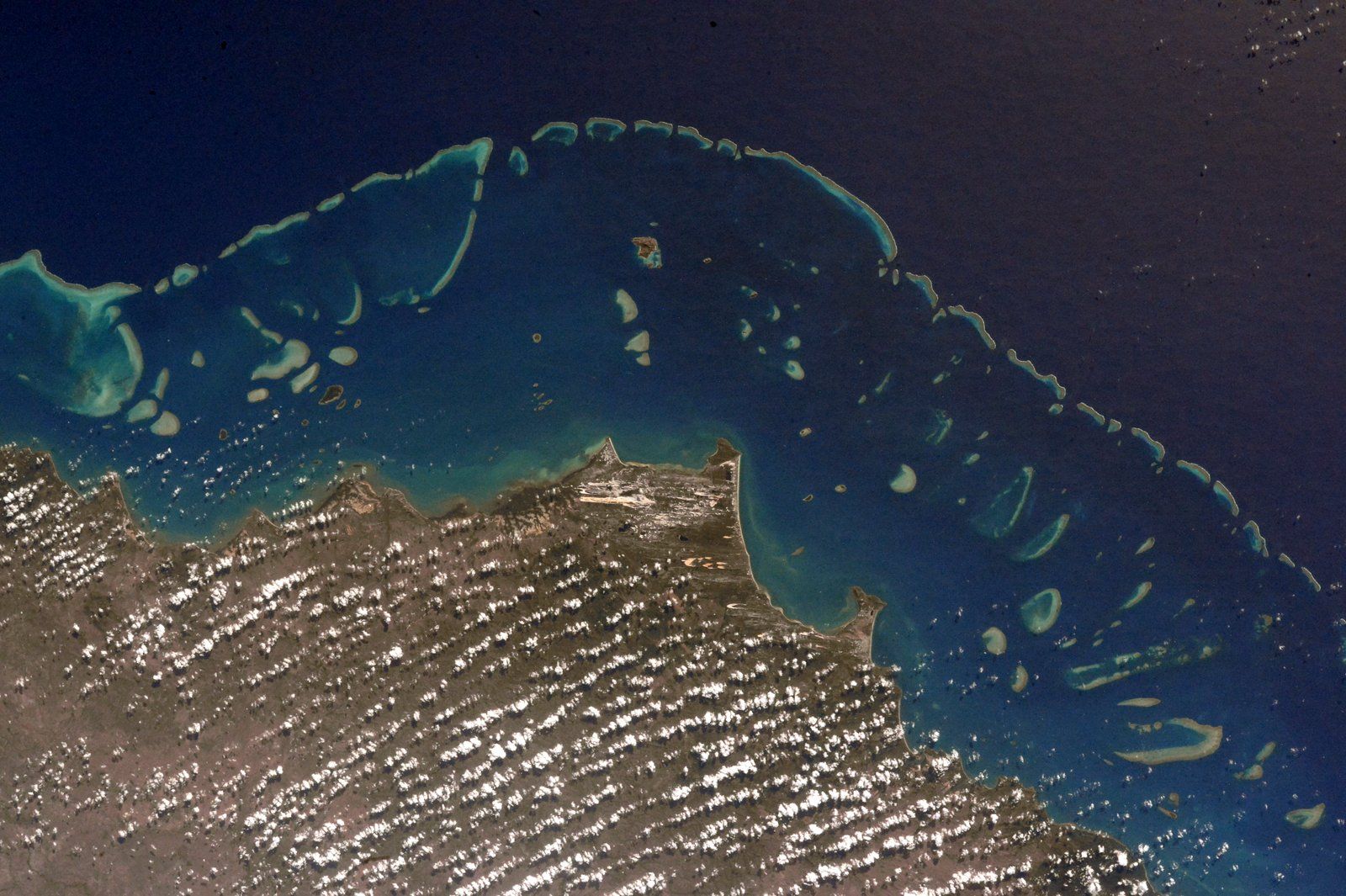
The largest living structure on Earth
Some 2,300 km of reefs off Queensland — over 1,500 fish species and 400 kinds of coral — reached by day boats, pontoons and liveaboards.
- World-class snorkelling and diving
- Day trips, pontoons or multi-day liveaboards
- Turtles, sharks, dugongs and whales
Head to head
| What matters | Daintree | Great Barrier Reef |
|---|---|---|
| Getting there Edge: Toss-up | Drive the Captain Cook Highway: about 2 h from Cairns, 45 min from Port Douglas, then the paid cable ferry over the Daintree River. | Boat to the outer reef — about 1h30–2h depending on sea state; inner reef and island sites are closer. |
| Cost Edge: Daintree | The national park is free; you pay for the ferry and your car or tour. | Operator fares, with the marine park environmental charge included; diving needs certification or a supervised intro dive. |
| Best months Edge: Toss-up | Dry season, roughly May–October; very wet about December–March, with cyclone risk and road closures. | June–October for the clearest water and calmest seas. |
| Hazards Edge: Daintree | Crocodile warning signs; heat, humidity and insects; some tracks north of Cape Tribulation need a 4WD and close in the wet. | Stinger suit roughly November–May; severe UV; rough outer-reef crossings — bring seasickness medication. |
| Effort Edge: Daintree | Easy: boardwalks and lookouts. | Easy from a pontoon, but it is open-water swimming from a boat, and visibility swings with the wind. |
| Time needed Edge: Toss-up | A long day trip; 2–3 nights to explore properly. | A day for one reef trip; 3+ days or a liveaboard for real variety. |
| Crowds Edge: Toss-up | Day tours peak mid-morning at the main boardwalks; Cape Tribulation is quieter early and late. | Pontoons carry large numbers at once; small-boat and liveaboard trips are much quieter for a higher price. |
| Condition check Edge: Toss-up | Wet-season road and track closures. | Reef condition varies by site and year after repeated bleaching — ask operators which sites are in good shape for your dates. |
Which should you choose?
Choose Daintree if…
…you'd rather not get in the water, are travelling with children or on a budget, or have a windy day when outer-reef boats are rough.
Choose Great Barrier Reef if…
…you can snorkel or dive, are visiting June–October, and want the experience Far North Queensland is famous for.
The honest verdict
If you only have one day, the reef is the one most people come for — and in June–October, when the water is calmest and clearest, it is the right call. Book a small-boat trip if crowds on the pontoons would spoil it.
The Daintree is the better choice on a rough-sea day, for non-swimmers and for anyone travelling cheaply: the park is free, the walking is easy, and Cape Tribulation shows forest and reef side by side.
With two or three days, do both — the reef on the first calm day, the Daintree on any other. Port Douglas is a gateway for both.
Wonders mentioned here
Added