Journeys to the ends of the Earth: the polar wildlife spectacle
From a distance, the far south looks like a world of pure ice — beautiful, but empty. Get closer, though, and the impression flips completely. The cold seas of the Southern Ocean are among the most productive on Earth, fed by vast swarms of shrimp-like krill, and that abundance draws wildlife to the coasts in numbers that are hard to believe until you stand among them.
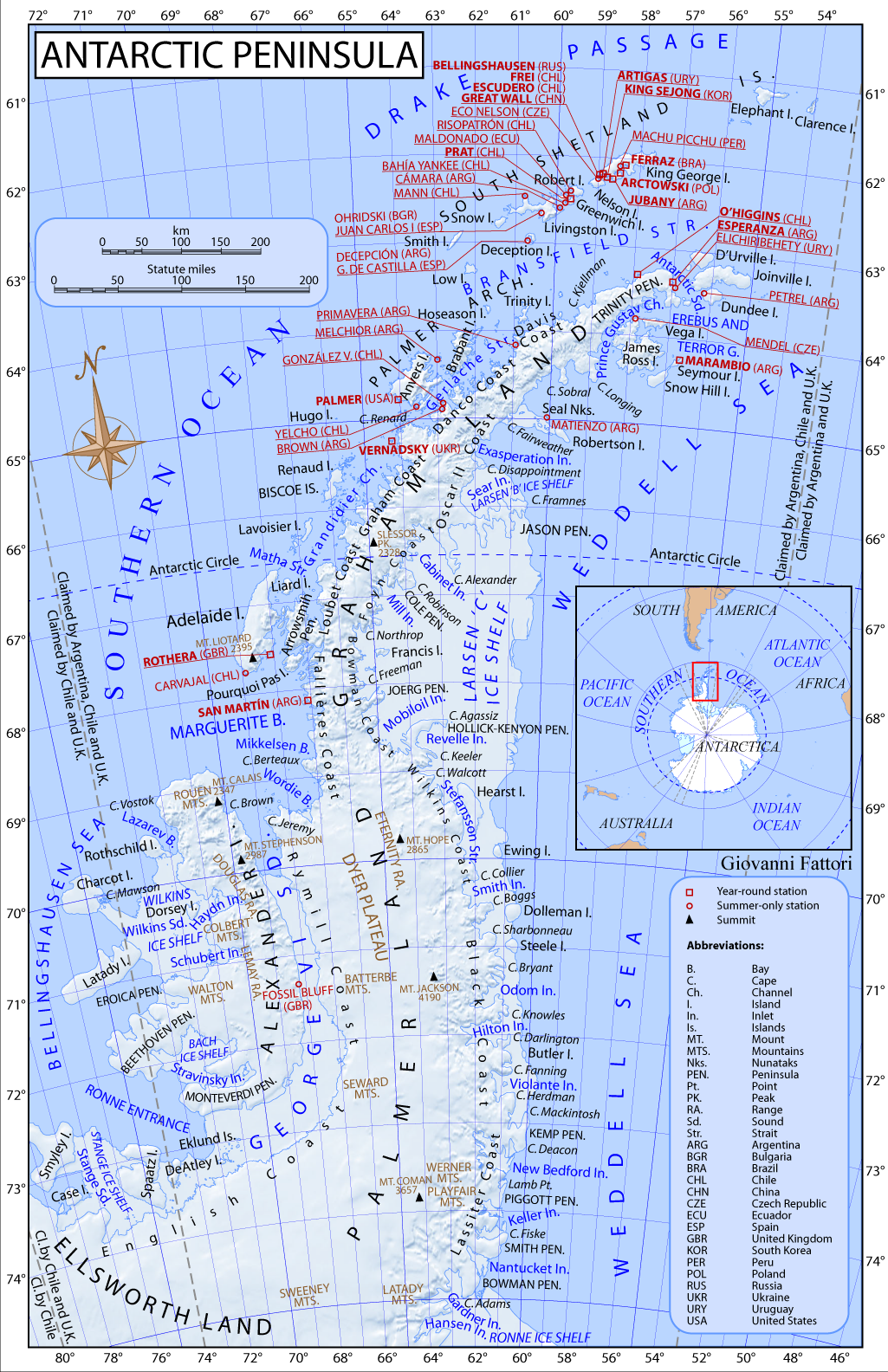
The most accessible taste of it is the Antarctic Peninsula, the mildest arm of the frozen continent, reaching north toward South America. Expedition ships cruise its channels past mountains draped in ice and icebergs glowing electric blue, while penguins crowd the shores by the tens of thousands and humpback and minke whales feed in the plankton-rich water. It is a landscape of overwhelming scale, so pristine that the whole continent is set aside by international treaty for peace and science.
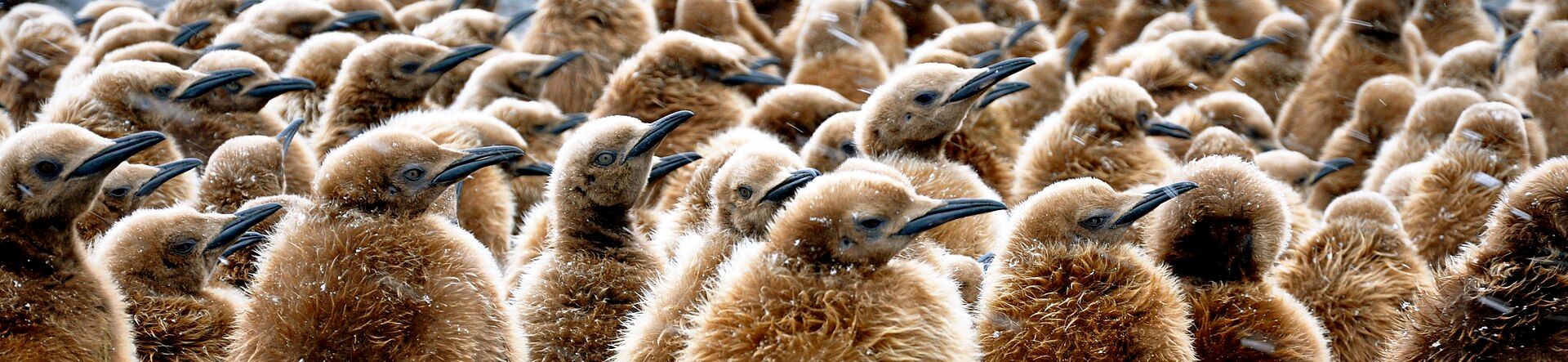
For sheer density of life, though, nothing quite matches South Georgia. This remote, glacier-clad island in the South Atlantic hosts king penguin colonies numbering in the hundreds of thousands — a shimmering, roaring expanse of birds — along with vast breeding beaches of elephant and fur seals and nesting wandering albatrosses. It was across its mountains that Ernest Shackleton made his legendary final march to rescue.
What makes the poles so moving is not just the wildlife but the feeling of reaching a place so few ever see, where nature still runs entirely on its own terms. These are journeys of real commitment — short seasons, rough crossings, strict rules to protect what’s there — but for anyone who makes them, standing quietly among a colony of penguins beneath a wall of glacier is a wonder that reorders your sense of the planet.
Wonders in this article