Places · Cambodia

Natural Wonders of Cambodia: The 4 Most Beautiful Places to Visit

4 places in the atlas

Cambodia's landscapes are shaped by water and forest. At its centre lies Tonlé Sap, Southeast Asia's largest freshwater lake, which swells enormously each monsoon when its river reverses course, sustaining a flooded forest and vast fisheries. Forested plateaus like Phnom Kulen rise from the plains with waterfalls and rivers carved with ancient art, while the Cardamom Mountains hold some of the region's wildest rainforest. Along the south coast, jungle-clad islands such as Koh Rong ring white beaches and glowing seas. Below are the 4 natural wonders of Cambodia in the atlas — the most beautiful places to build a trip around, each with what makes it remarkable, when to go, and how to reach it. Best overall time: The dry season, roughly November to April, is best for the coast, islands, and jungle roads; the lake is at its vast flooded peak from about September to November.
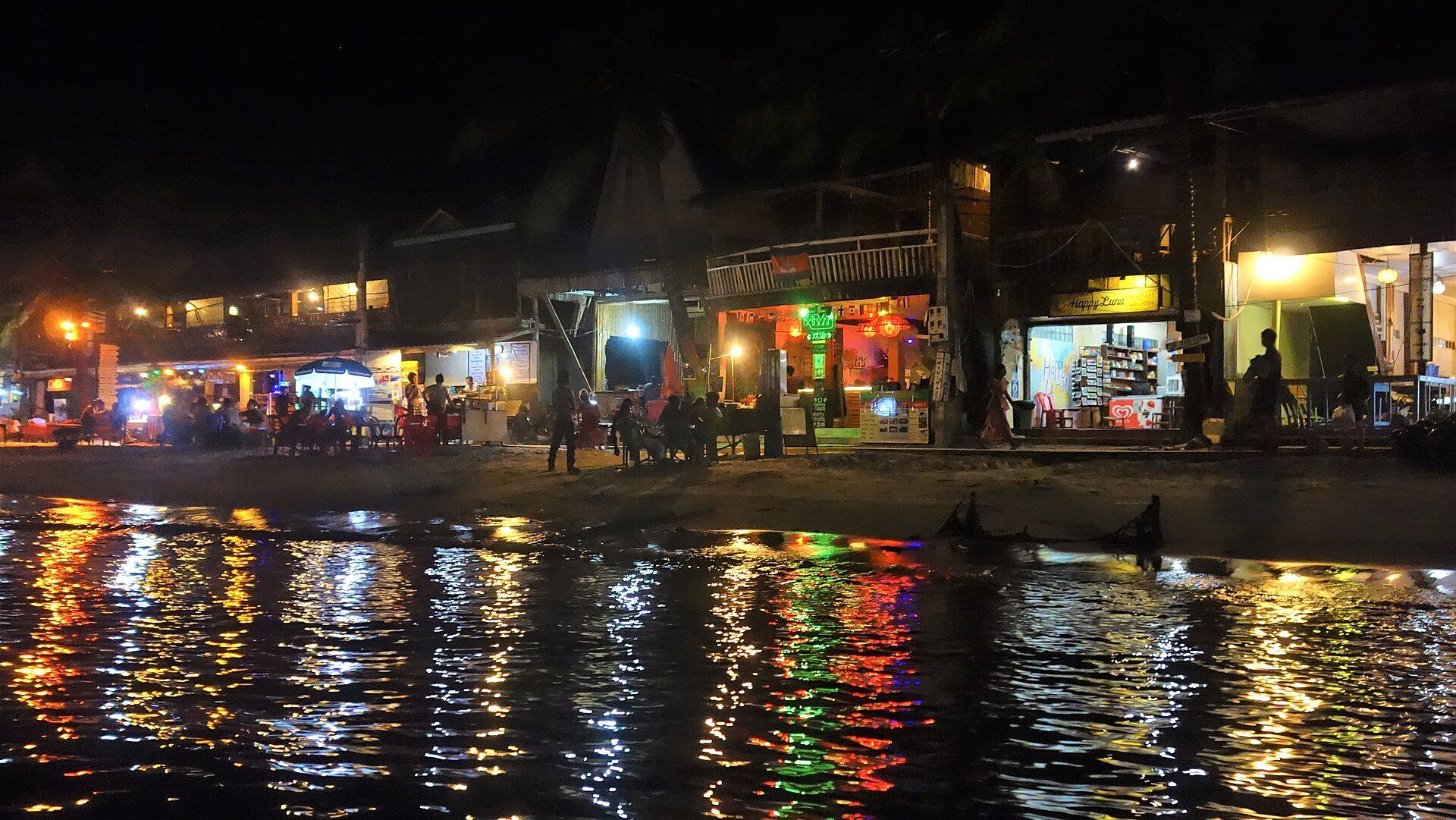
Koh Rong, Gulf of Thailand, off Sihanoukville, Cambodia

Koh Rong

Gulf of Thailand, off Sihanoukville, Cambodia

A jungle-cloaked island off Cambodia's coast ringed by long white-sand beaches and clear turquoise water — and famous for seas that glow blue with bioluminescent plankton at night.

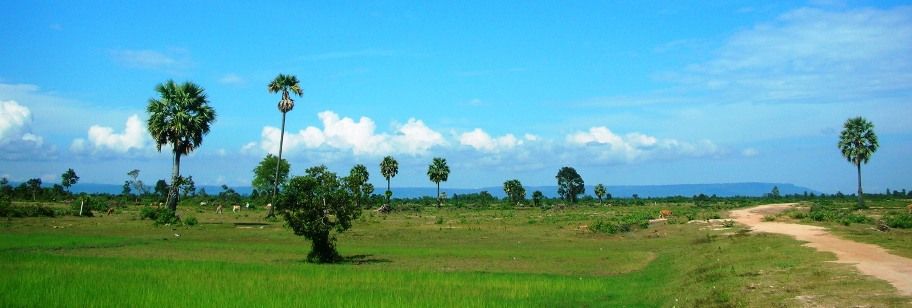
Phnom Kulen, Siem Reap Province, Cambodia

Phnom Kulen

Siem Reap Province, Cambodia

A forested sandstone plateau northeast of Angkor where a wide waterfall pours into jungle pools, and the riverbed upstream is carved with a thousand ancient sculptures beneath the flowing water.

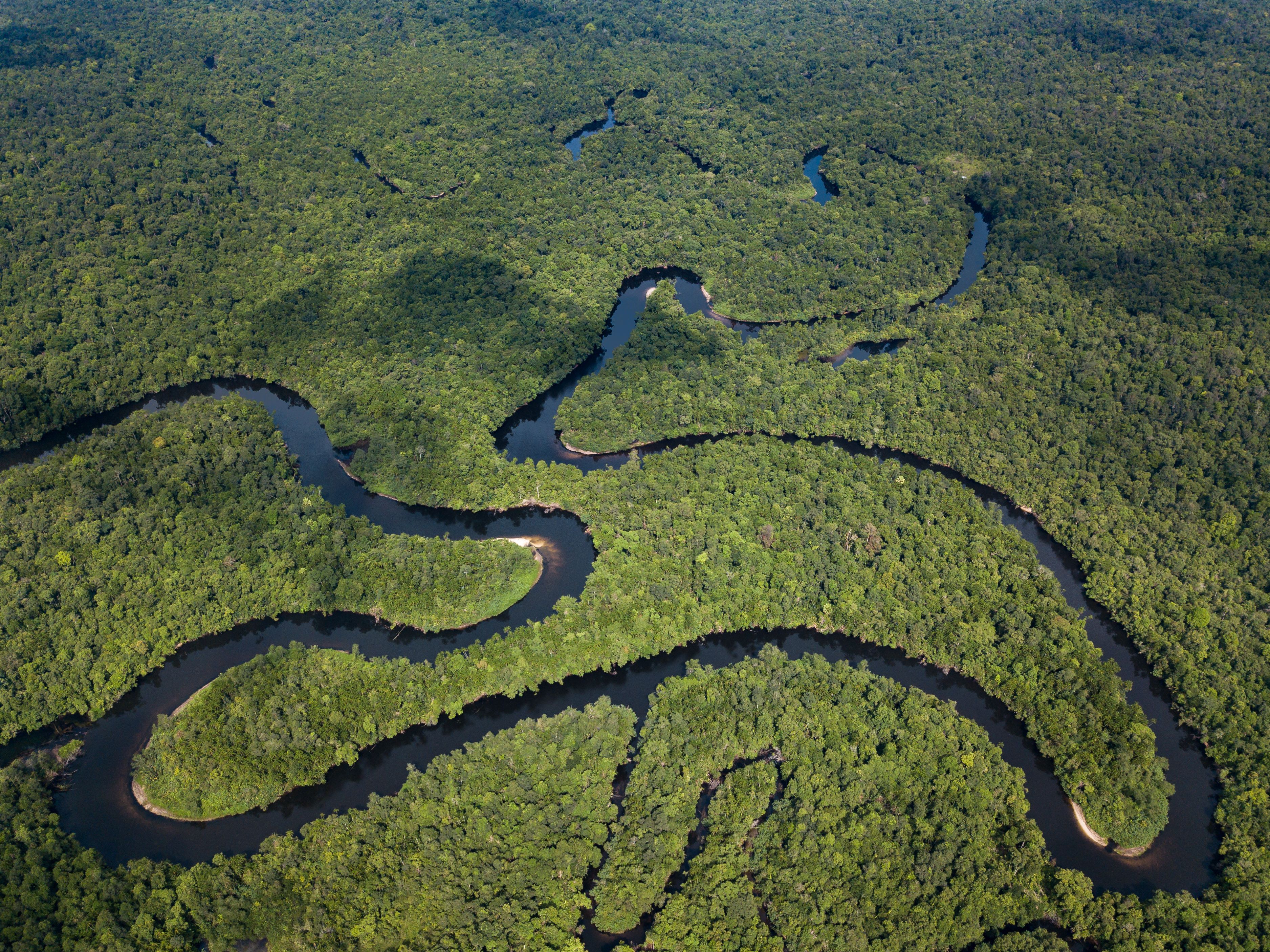
The Cardamom Mountains rainforest, Koh Kong Province, southwestern Cambodia

The Cardamom Mountains

Koh Kong, Pursat and Kampong Speu Provinces, southwestern Cambodia

One of the largest tracts of rainforest left in mainland Southeast Asia, almost unpopulated across its interior — and a range wet enough on one side and dry enough on the other to hold two different forests at once.

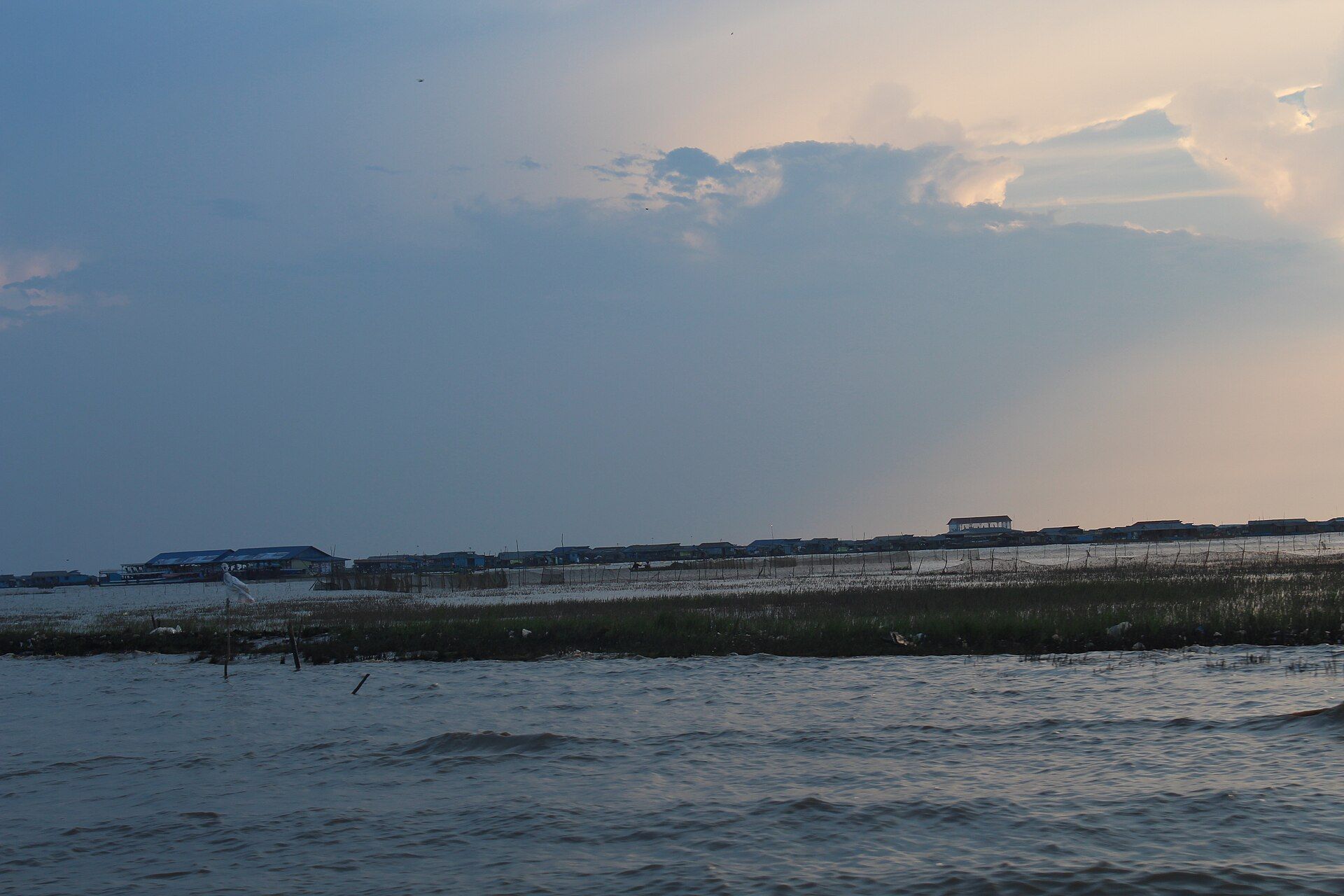
Tonlé Sap, Central Cambodia, near Siem Reap

Tonlé Sap

Central Cambodia, near Siem Reap

Southeast Asia's largest freshwater lake — a vast, life-giving body of water that swells enormously each monsoon when its own river reverses course and flows backwards.