🇧🇴 Natural wonders of Bolivia
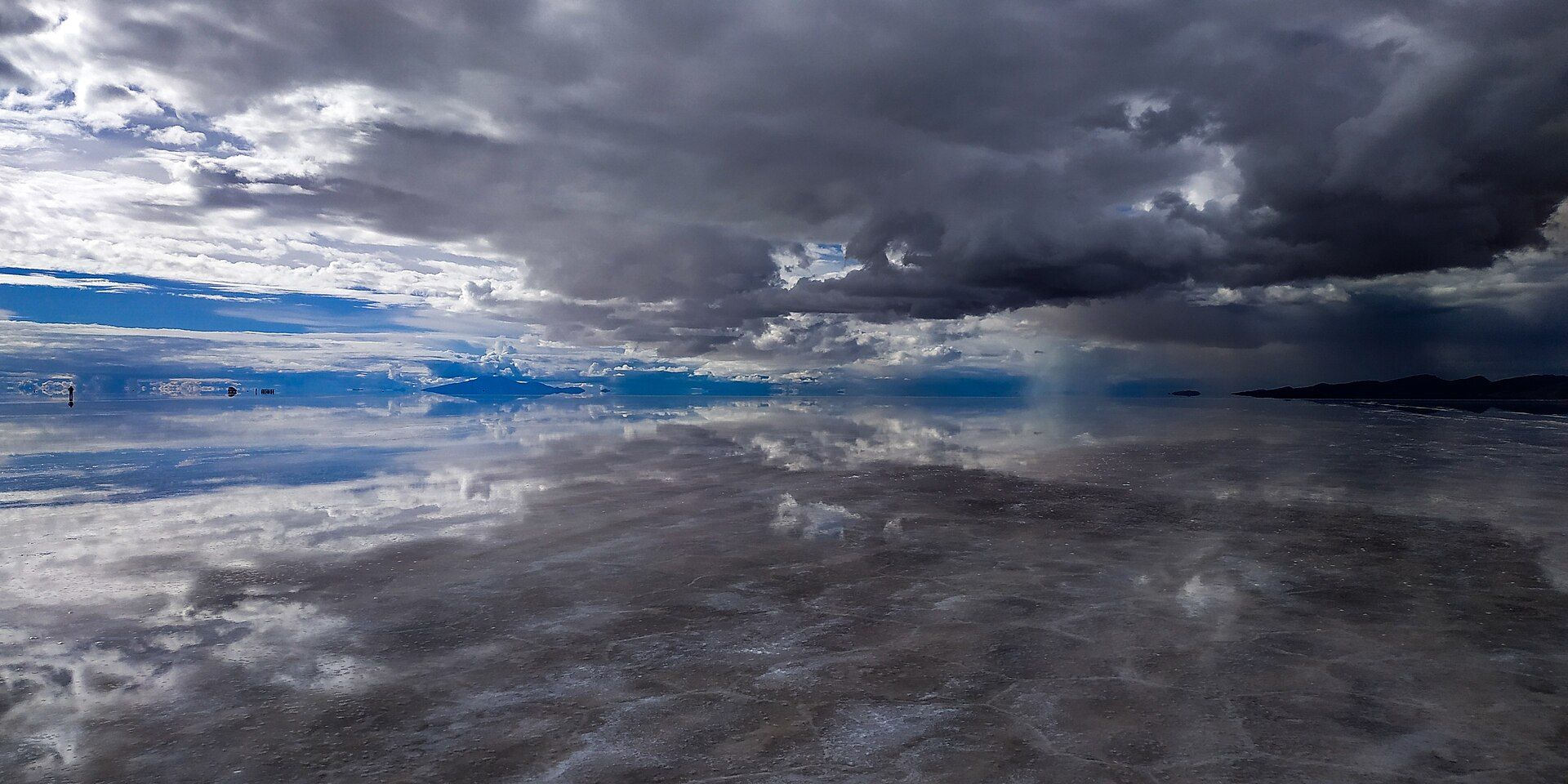
A high-altitude Andean country of astonishing landscapes — home to the Salar de Uyuni, the largest salt flat on Earth and, after rain, the world's biggest natural mirror.
🗓️ Best time for nature: The dry season (roughly May–October) for the white salt-tile scenery and easy travel; the wet season (roughly December–April) for the mirror effect.
The lay of the land
Much of Bolivia lies on the high Altiplano, a vast plateau over 3,600 metres up between two Andean ranges. Its centrepiece is the Salar de Uyuni, the dried bed of ancient lakes and the largest salt flat in the world — so flat it is used to calibrate satellites, blindingly white in the dry season and a perfect sky-mirror when wet. Around it stretch red and green mineral lagoons, geysers, deserts, and flamingo colonies, and beneath the salt lies a huge share of the planet's lithium. Bolivia also drops from these heights into Amazon lowlands rich with life.
Where to begin
-
Salar de Uyuni
The largest salt flat on Earth and the world's biggest natural mirror.
-
Laguna Colorada
A shallow red lake at 4,278 m and a key breeding ground for James's flamingo.
-
Sajama National Park
Bolivia's first protected area, below Nevado Sajama, at 6,542 m the country's highest peak.
-
Torotoro National Park
A 300-m-deep canyon, a large cave system and thousands of dinosaur footprints.
A taste of the place
Bolivian highland food centres on quinoa, native potatoes, and llama, with savoury-sweet salteña pastries — staples adapted to life at high, cold altitude.
Traveling responsibly
- Choose your season: white salt tiles (dry) or the sky mirror (wet).
- Acclimatise to the altitude and protect against strong sun and cold nights.
- Explore with reputable 4x4 operators; the flat is vast and disorienting.
Bolivia lives high — much of it on the Altiplano, a plateau over 3,600 metres up between two arms of the Andes — and its greatest wonder is the Salar de Uyuni, the largest salt flat on Earth. In the dry season it is a blinding white plain cracked into salt tiles; after rain, a thin sheet of water turns it into the world’s biggest natural mirror, dissolving the horizon into sky. Around it lie flamingo lagoons, geysers, and mineral-coloured deserts. South of the salt flat, Laguna Colorada spreads across the Altiplano at 4,278 metres, its shallow water tinted brick-red by algae and dotted with thousands of flamingos — the classic second day of a tour from Uyuni. In the far west, Sajama National Park — Bolivia’s first protected area — surrounds Nevado Sajama, the country’s highest mountain at 6,542 metres, with stands of queñua woodland among the highest on Earth and vicuñas grazing the high wetlands. Far to the east, in the warmer Andean valleys south of Cochabamba, Torotoro National Park shows a different Bolivia: a canyon up to 300 metres deep, a waterfall-filled gorge, one of the country’s largest caves, and thousands of dinosaur footprints pressed into Cretaceous rock.
Added
All wonders in Bolivia
4 places
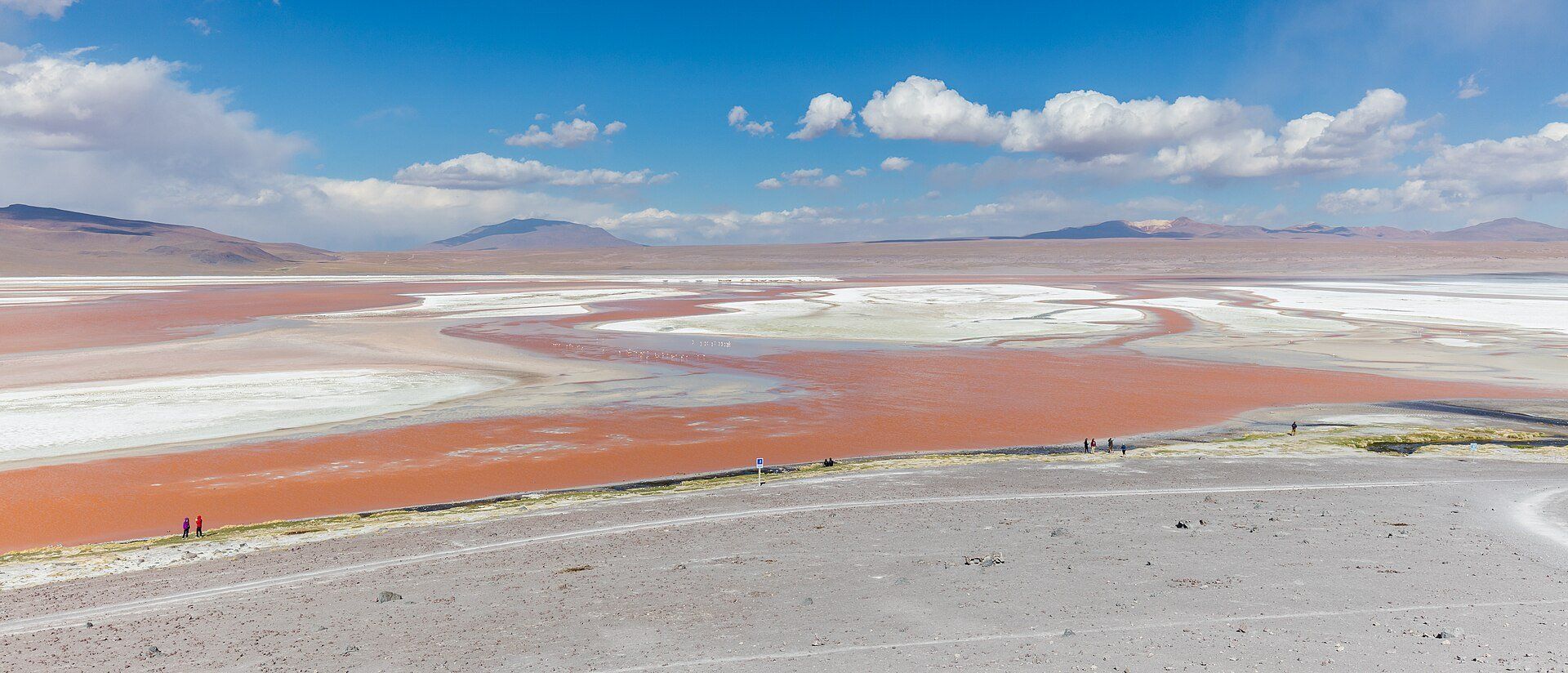
Laguna Colorada
Eduardo Avaroa Andean Fauna National Reserve, Sur Lípez, Potosí Department, southwestern Bolivia
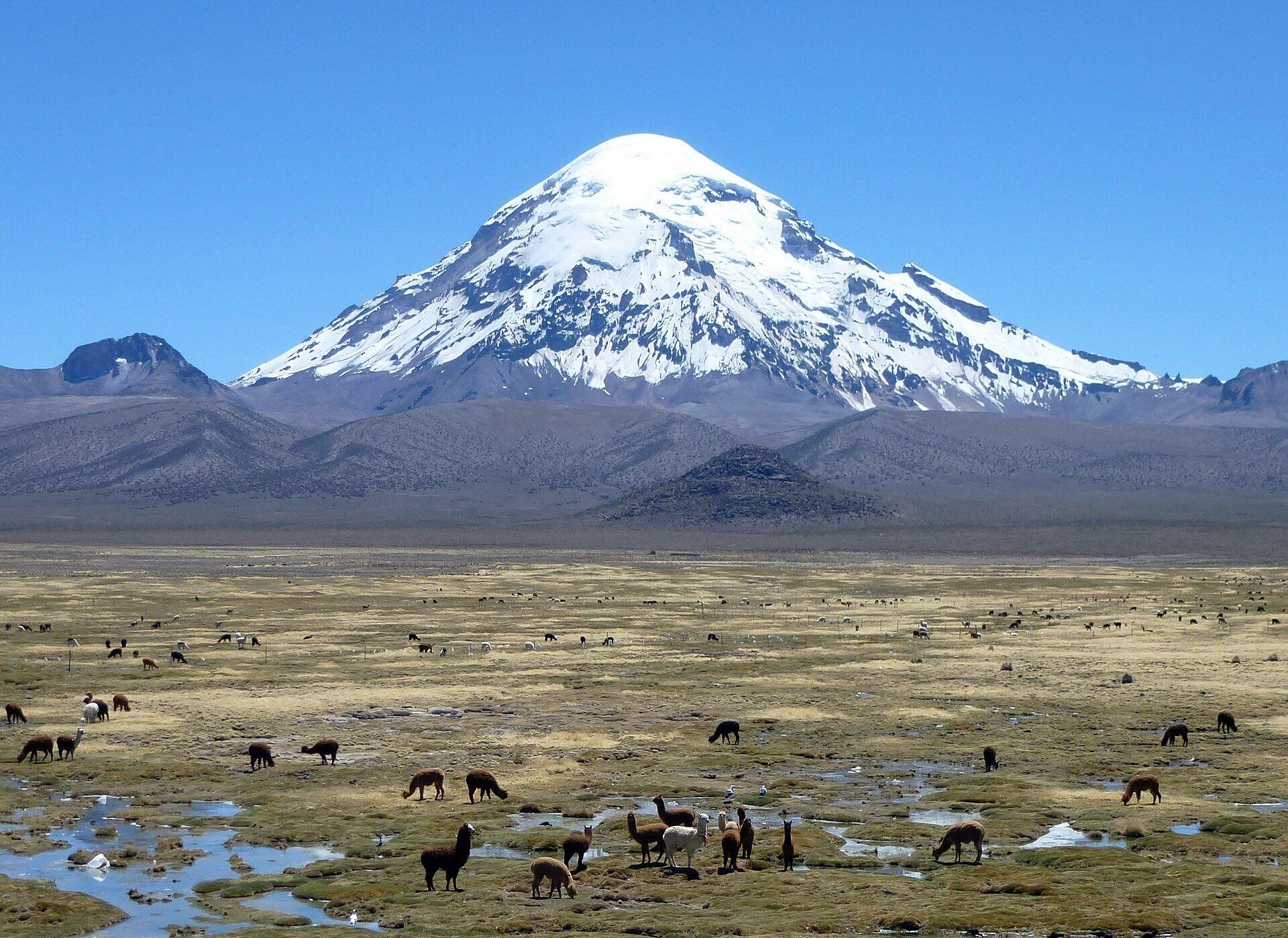
Sajama National Park
Western Altiplano, Oruro Department, Bolivia, on the border with Chile
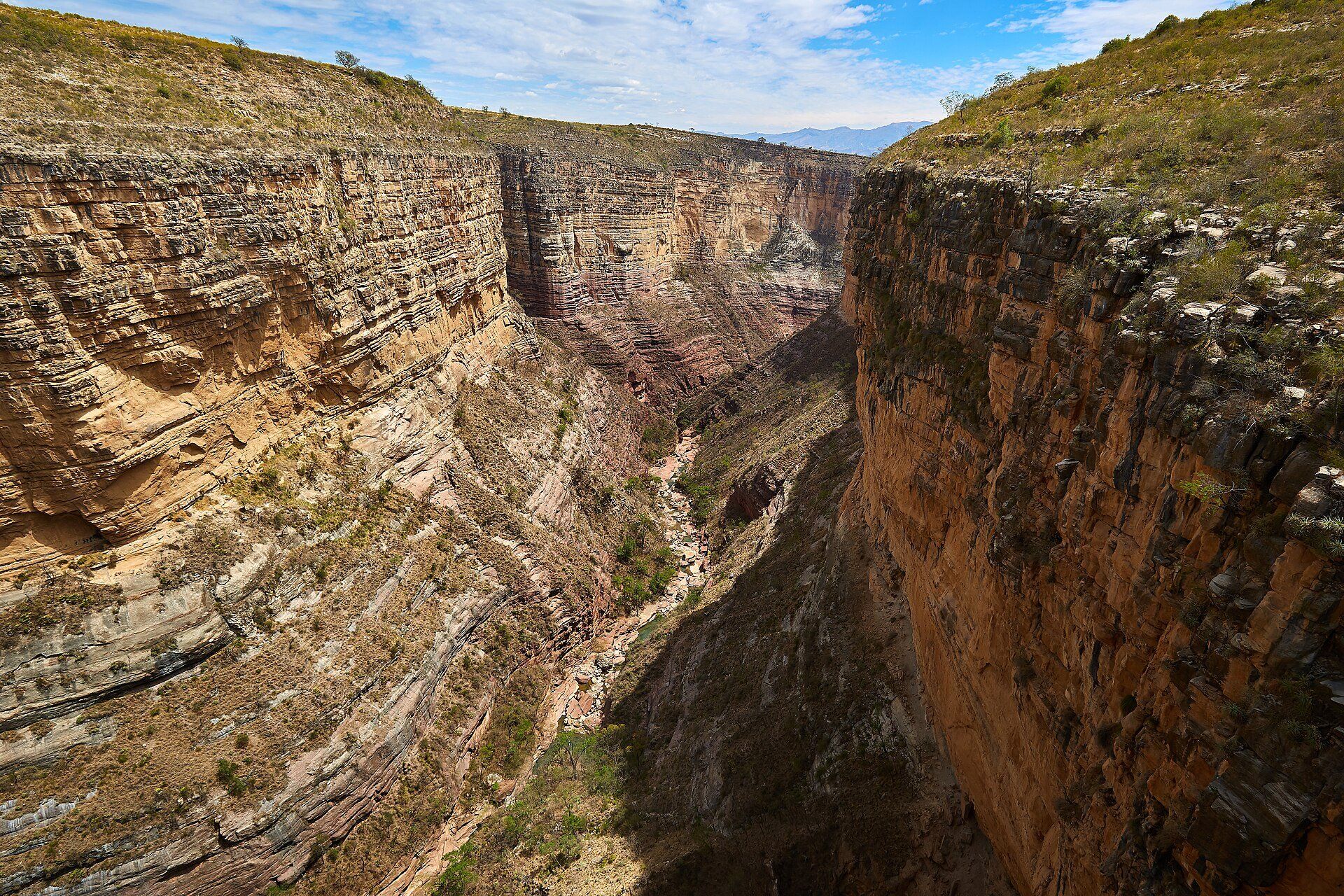
Torotoro National Park
Northern Potosí Department, Bolivia, about 140 km south of Cochabamba