Head to head · Utah's canyon park vs its arch park
Zion vs Arches: Which Utah National Park Should You Visit?
Zion and Arches are two of Utah's five national parks, and they are at opposite corners of the state: Zion in the south-west near Springdale, about three hours from Las Vegas, and Arches in the east, just north of Moab. If a trip has room for only one, the choice is between being inside a canyon and walking among arches.
Zion is a deep, narrow canyon cut by the Virgin River, with walls of Navajo sandstone more than 600 metres high. Arches protects more than 2,000 documented natural stone arches, the densest concentration in the world, in red Entrada sandstone above the high desert.
Zion
A towering canyon you hike inside
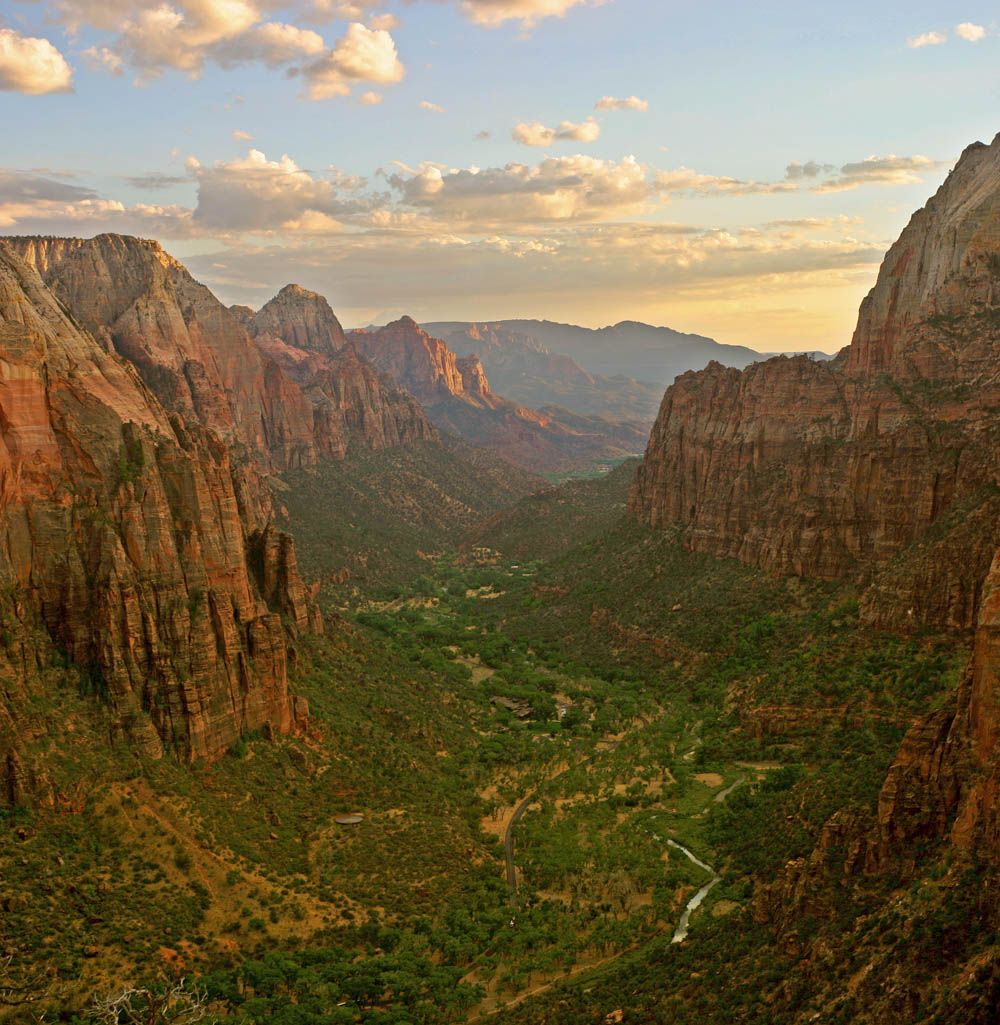
The Virgin River has cut Zion Canyon through the thick Navajo sandstone of the Colorado Plateau, leaving cliffs over 600 metres high banded cream, salmon and rust. Springs seep from the rock to feed hanging gardens, and in The Narrows the walls close to a few metres apart. It became a national park in 1919.
- The Narrows — hiking up a river between canyon walls
- Angels Landing, an exposed climb with a chain section (permit required)
- A green river valley beneath enormous cliffs
Arches
2,000+ stone arches above the desert
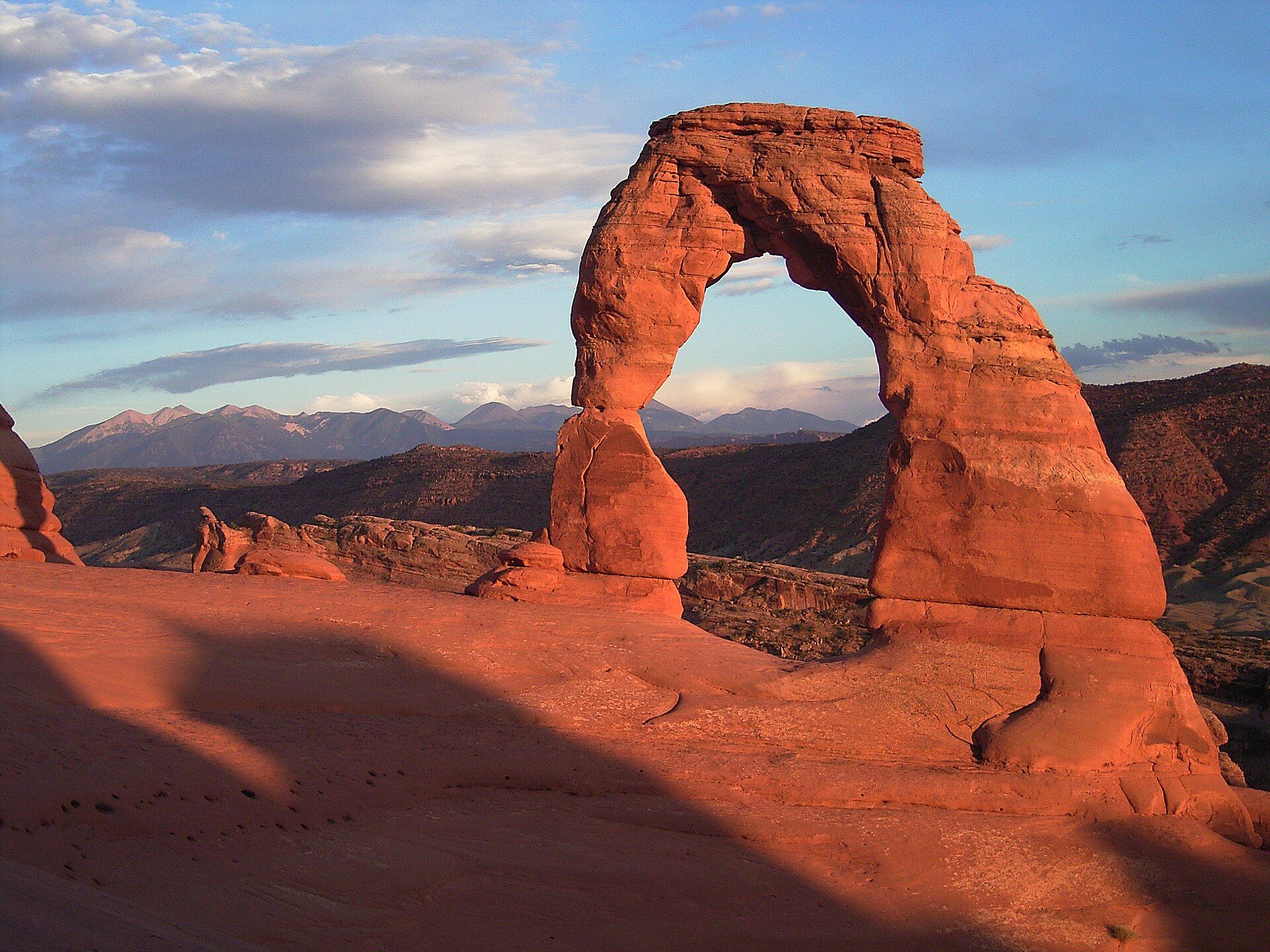
Arches' Entrada sandstone was buckled into parallel fins by a salt layer deep below; water freezing in the cracks hollows the fins until windows open into arches, which eventually collapse. Delicate Arch, a lone 16-metre span on the lip of a sandstone bowl with the La Sal Mountains behind, is its icon. A scenic road links the trailheads to the main arches.
- Delicate Arch at sunset
- Many famous arches within short walks of the park road
- Moab as a base for Canyonlands and the wider red-rock country
Head to head
| What matters | Zion | Arches |
|---|---|---|
| The scenery Edge: Toss-up | Vertical: you look up at cliffs from the canyon floor or down from the rim trails. | Open desert dotted with arches, fins, spires and balanced rocks, glowing at dawn and dusk. |
| Getting there Edge: Zion | Springdale, about three hours from Las Vegas; St George is the nearest airport town. | Moab; fly to Grand Junction or Salt Lake City — most of a day by road from Salt Lake. |
| Time needed Edge: Arches | Two to three days. | A full day; two if you want Delicate Arch at both ends of the day. |
| Permits and reservations Edge: Toss-up | Angels Landing above Scout Lookout needs a permit awarded by lottery. During shuttle season, private cars are excluded from the Scenic Drive, so the shuttle is the only way up the canyon. | The park has run a timed-entry reservation system in its busy months — check whether it applies to your dates. The Fiery Furnace needs a separate permit or a ranger-led trip. |
| Hiking Edge: Zion | Big days: The Narrows in cold water, Angels Landing's chain section, rim trails. The Narrows depends on the day's flash flood rating and river flow. | Mostly shorter walks over slickrock and sand with some steep scrambles; Delicate Arch and Devils Garden are the classics. No shade on any of it. |
| Season Edge: Toss-up | April–May and September–October. Summer is hot and crowded, and July–September monsoon flash floods make slot canyons dangerous. | April–May and September–October. Summer is punishingly hot; winter is quiet, with occasional snow on red rock. |
| Crowds Edge: Arches | Very heavy from spring through autumn; morning shuttle queues are part of the experience. | Delicate Arch is busy at sunset and its trailhead lot fills early; Devils Garden thins out past the first few arches. |
Which should you choose?
Choose Zion if…
…you want serious, memorable hikes, are flying into Las Vegas, and have two or three days.
Choose Arches if…
…you have a day, want famous landmarks without long hikes, or are basing yourself in Moab for Canyonlands too.
The honest verdict
For hikers, Zion is the better park. The Narrows and Angels Landing are the reason many people go to Utah, and the canyon is most impressive on foot.
For photographers and shorter walks, Arches delivers more famous sights per hour, and Delicate Arch at sunset is hard to beat.
Both need planning: Zion's Angels Landing lottery and shuttle, and Arches' timed entry in busy months. Check the National Park Service for both before you fix dates, and for Zion check the flash flood rating on the morning you hike.
Wonders mentioned here
Added