Head to head · California granite vs Montana's Crown of the Continent
Yosemite vs Glacier National Park: Which Should You Visit?
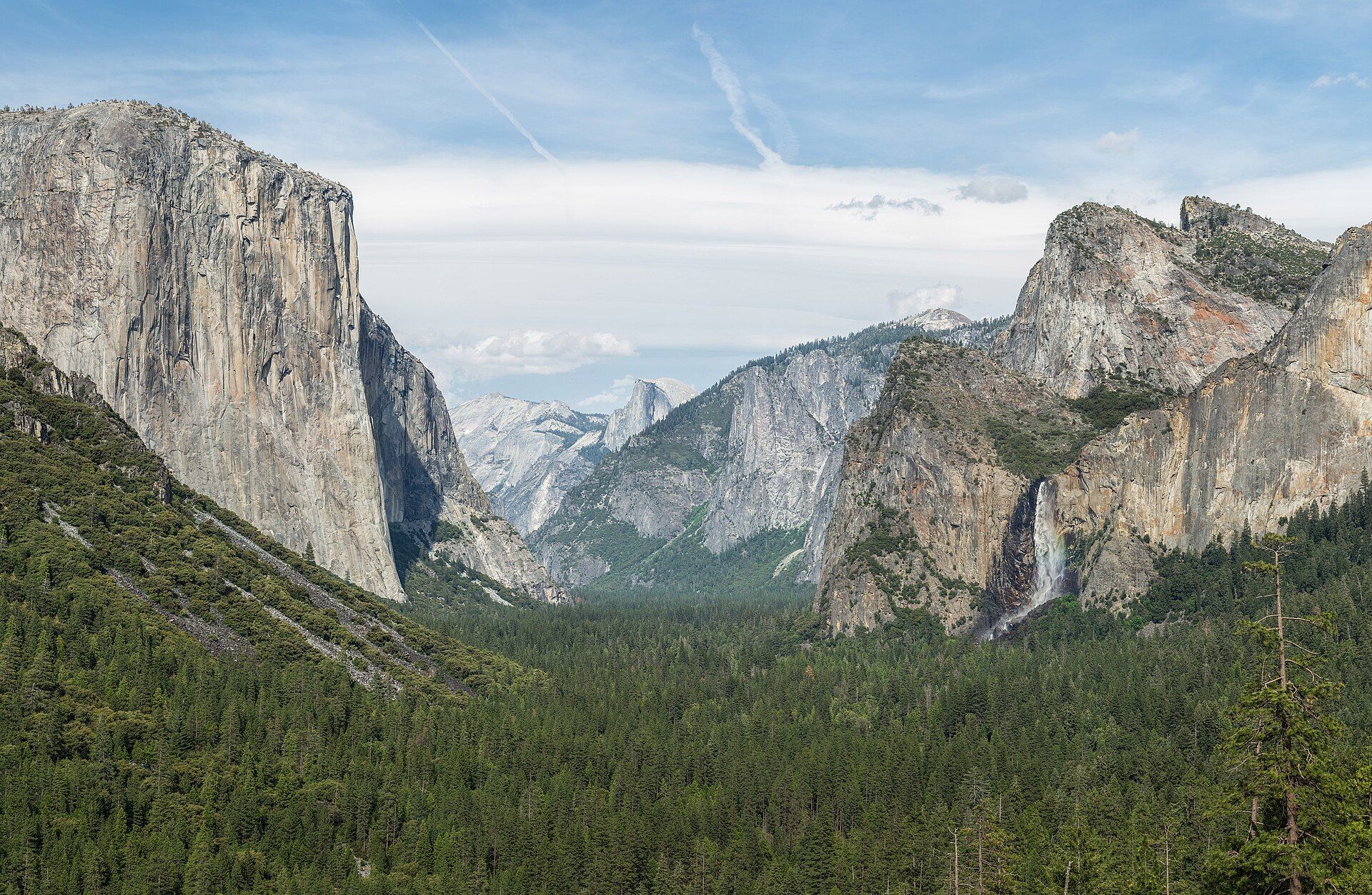
Yosemite in California and Glacier in Montana are both glacier-carved mountain parks, and both have operated entry or vehicle reservation rules in recent seasons that change year to year. What you go for, and when, is different. Yosemite Valley is a glacial trough of near-vertical granite — El Capitan's roughly 900-metre face and Half Dome — with some of the tallest waterfalls in North America. Those waterfalls are fed by snowmelt: they peak around late May and June, and Yosemite Falls is often dry by August.
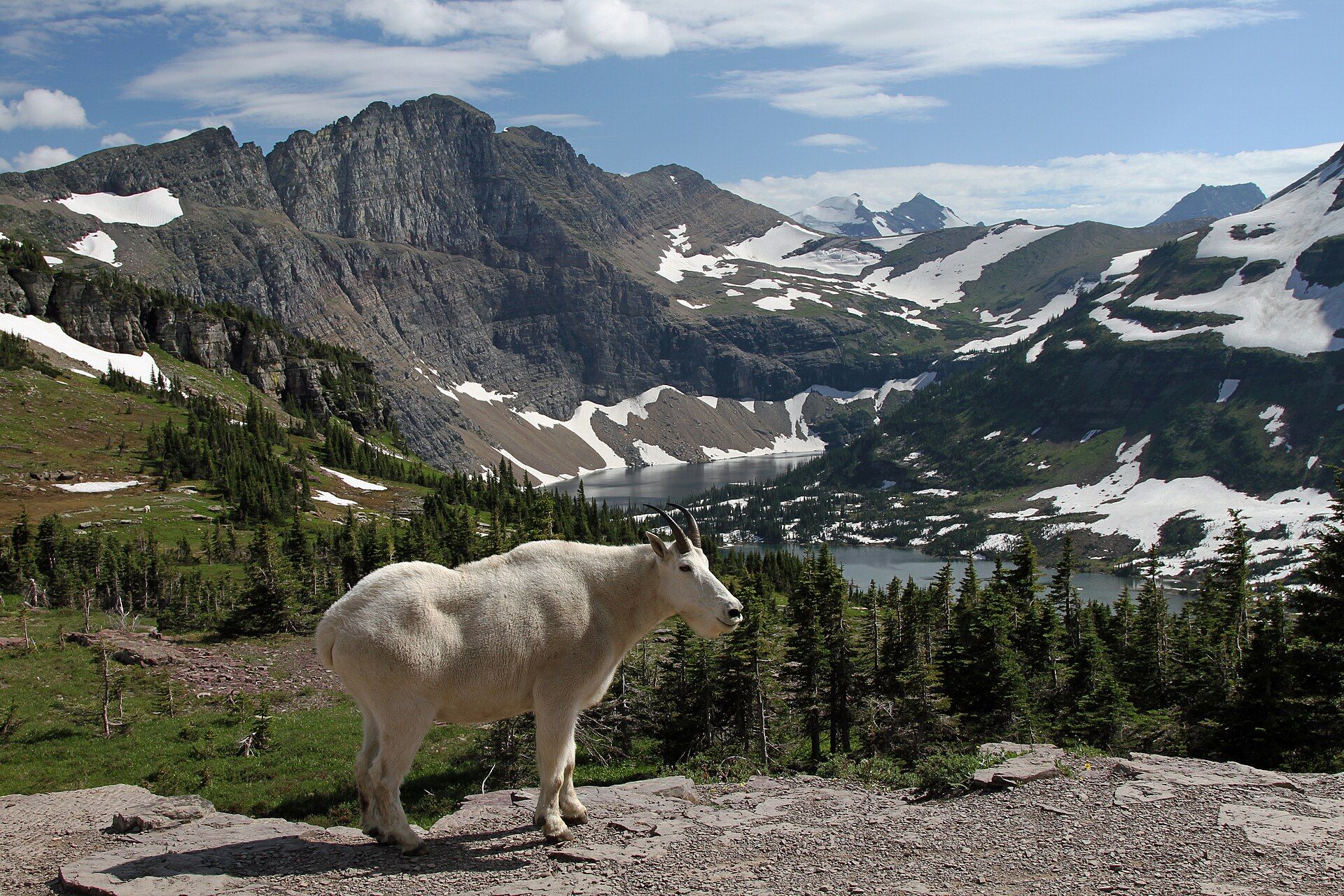
Glacier protects about a million acres of the northern Rockies straddling the Continental Divide: knife-edged ridges, horn peaks, hanging valleys and cirques holding turquoise lakes, with grizzlies, mountain goats and bighorn sheep. Its Going-to-the-Sun Road over Logan Pass is fully open only from around late June or early July until the first autumn snow, so Glacier's season starts just as Yosemite's waterfalls are fading.
Yosemite
Granite walls, Half Dome and spring waterfalls
Fresno is about 2 hours to the South Entrance and a further hour to the valley; San Francisco is roughly 4 hours by road, and YARTS buses run from Merced and Fresno. Allow three days for the valley. Peak-hours entry reservations have applied in recent seasons, Half Dome's cables need a lottery permit, and Tioga and Glacier Point roads close for much of the year. The valley shuttle or a bicycle beats driving; food goes in bear lockers.
- El Capitan, Half Dome and waterfalls among North America's tallest
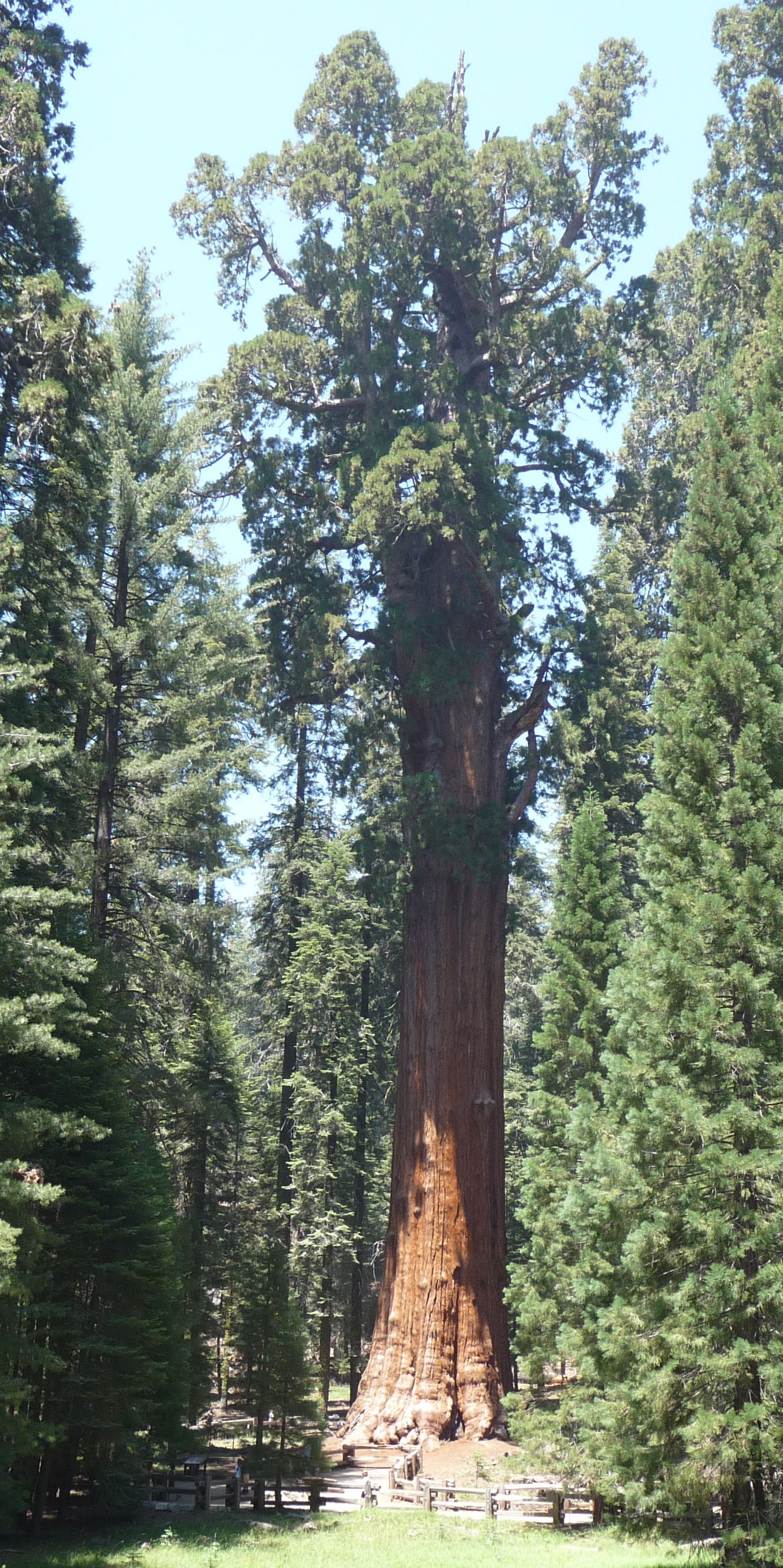
- Giant sequoia groves and the quieter Tuolumne high country
- Extensive facilities, including a medical clinic and shuttle buses
Glacier National Park
Turquoise lakes and carved peaks on the Continental Divide
Kalispell airport is about 40 minutes from West Glacier, and Logan Pass about an hour beyond on the Going-to-the-Sun Road when it is fully open. Allow three to four days for both sides of the divide. The road's opening varies by weeks with plowing, vehicle reservations for the corridor have been revised annually, the Logan Pass car park is often full before 7 am, and the alpine section restricts vehicle size. Grizzly country: carry bear spray.
- The Going-to-the-Sun Road and the Highline Trail
- Turquoise glacial lakes and wildflower meadows
- Mountain goats, bighorn sheep and grizzlies
Head to head
| What matters | Yosemite | Glacier National Park |
|---|---|---|
| Best season Edge: Toss-up | May–June for peak waterfalls; autumn for crisp weather and fewer crowds. | July–September, when the high road is open and trails are clear of snow. |
| The scenery Edge: Toss-up | Sheer granite cliffs and domes over a valley floor, waterfalls off the rim. | A whole range of horns, cirques and turquoise lakes across the Continental Divide. |
| Getting there Edge: Glacier National Park | Three to four hours from the nearest airports; YARTS buses avoid parking. | Under an hour from Kalispell airport to the west entrance. |
| Entry rules Edge: Toss-up | Peak-hours reservations in recent seasons; Half Dome by lottery permit. | Vehicle reservations for the Going-to-the-Sun corridor in recent seasons; rules revised each year. |
| Time needed Edge: Toss-up | Three days for the valley; more with Tuolumne. | Three to four days for both sides of the divide. |
| Wildlife Edge: Glacier National Park | Black bears that raid cars — food must go in lockers. | Grizzly and black bears, mountain goats, bighorn sheep, wolverines and lynx. |
| Crowds Edge: Toss-up | Very heavy in the valley from late spring through summer; Tuolumne is far quieter. | Concentrated into July–August and onto one road; thins out a mile down any trail. |
| Winter Edge: Toss-up | Snowbound winters; Tioga and Glacier Point roads closed; traction devices, and chains when conditions require. | Much of the park snowbound; limited services. |
Which should you choose?
Choose Yosemite if…
…you can travel in May or June for the waterfalls (or in autumn for quieter trails) and want granite walls, Half Dome and sequoias.
Choose Glacier National Park if…
…your trip is in July–September and you want a big, wild mountain landscape with turquoise lakes, mountain goats and the Going-to-the-Sun Road.
The honest verdict
The month usually decides. Yosemite's waterfalls peak around late May and June and can be dry by August; Glacier's high road isn't fully open until around late June or early July and closes with the first serious snow. A spring trip points to Yosemite, a high-summer trip to Glacier.
Choose Yosemite for granite and water: Tunnel View, El Capitan, Half Dome and Yosemite Falls in full flow. Check the entry reservation for your exact dates before booking a room, use the shuttle or YARTS instead of driving in the valley, and keep all food in the lockers.
Choose Glacier for alpine wilderness: the Going-to-the-Sun Road, the Highline Trail along the Garden Wall, and lakes of glacier-milk blue. Check road status and any corridor reservation with the National Park Service, be at Logan Pass before 7 am, and carry bear spray on your hip.
Wonders mentioned here
Added