Head to head · two desert record-holders
Sahara vs Atacama: Which Is the Biggest Desert, and Which Is the Driest?
Short answer: the Sahara is the bigger desert — the largest hot desert on Earth at roughly 9.2 million square kilometres, close to the size of the United States. The Atacama is the drier one — the driest nonpolar desert on Earth, where some spots have gone years without measurable rain and a few have arguably never recorded any.
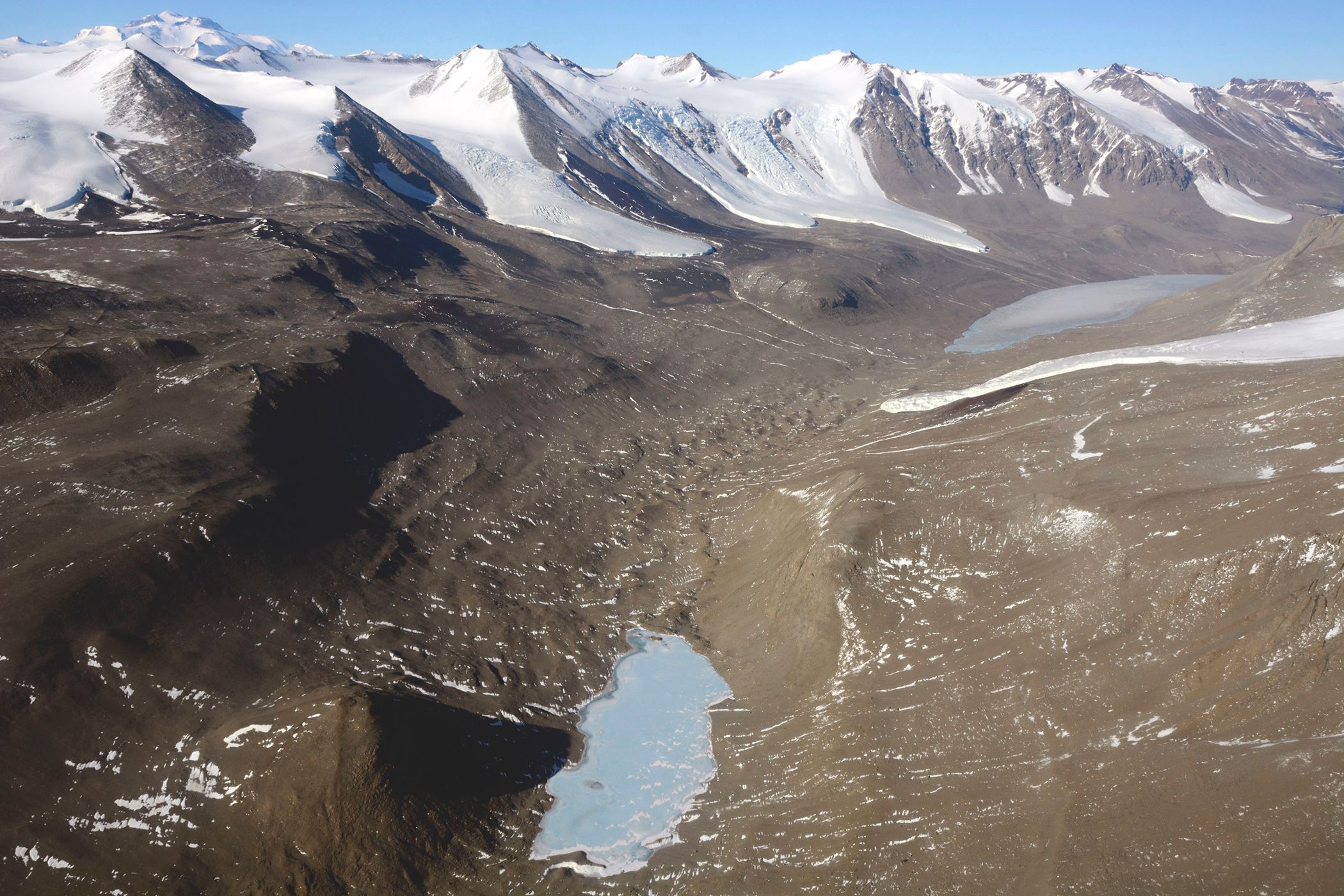
Neither is the driest place of all: that title belongs to Antarctica's McMurdo Dry Valleys, where no significant precipitation has fallen for close to two million years — which is why the Atacama's record is always qualified as "nonpolar".
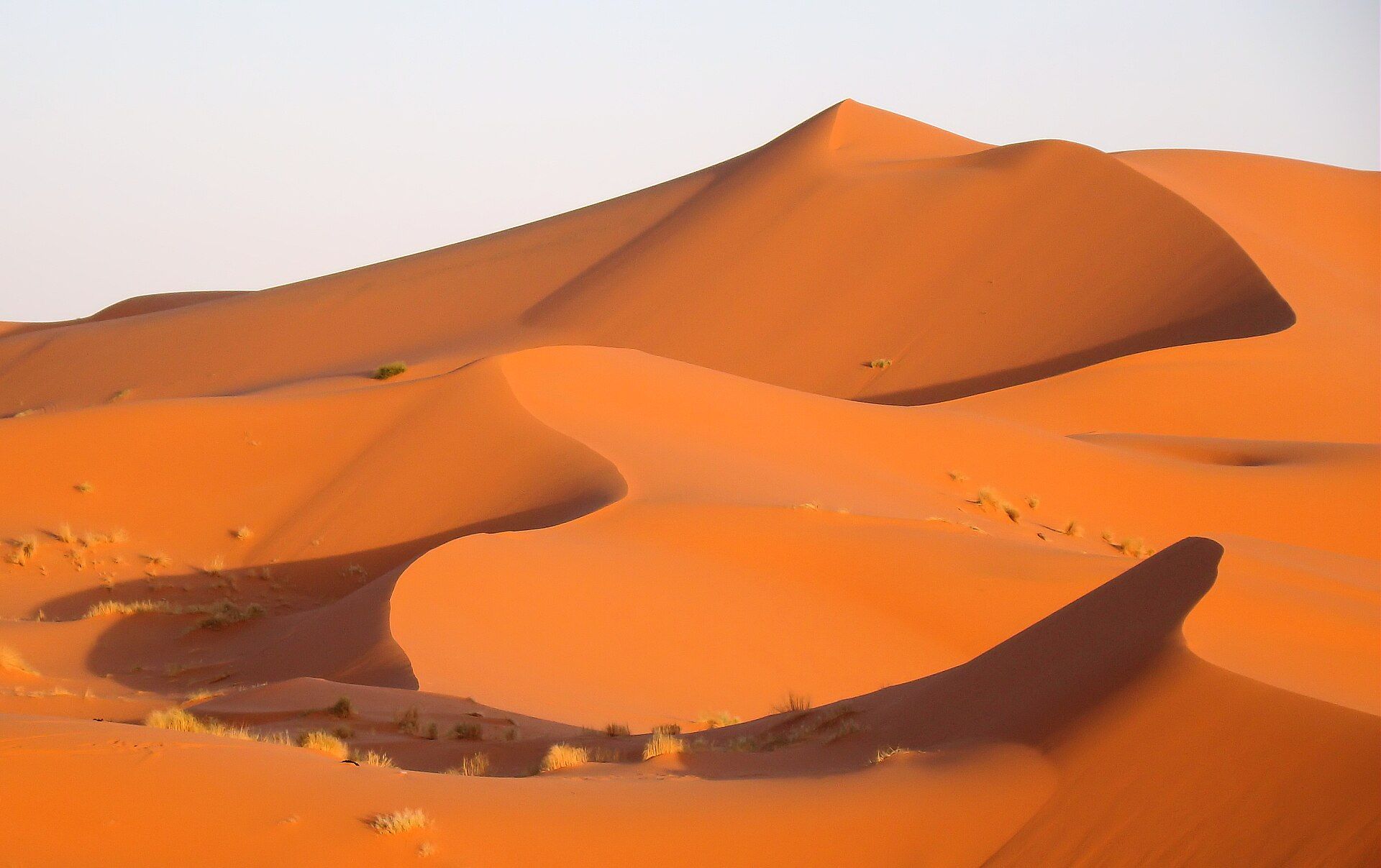
As trips they could hardly be more different. The Sahara is the classic sand sea — Morocco's Erg Chebbi, with dunes up to 150 metres and nights in Berber tent camps. The Atacama is a high-altitude desert of salt flats, geysers and flamingo lagoons, run from San Pedro de Atacama at about 2,400 metres, with highlights around 4,300 metres.
The Sahara
The largest hot desert
Roughly 9.2 million square kilometres of desert across North Africa — nearly the size of the United States — met at its most iconic in Morocco's Erg Chebbi, a sand sea where wind has piled dunes up to 150 metres high. Camel treks and 4x4 trips run from the dune edge at Merzouga to overnight desert camps.
- The world's largest hot desert
- Classic towering sand dunes at Erg Chebbi and Erg Chigaga
- Nights in desert camps under clear, dark skies
- No permit needed for the standard Erg Chebbi and Erg Chigaga circuits
The Atacama
The driest nonpolar desert
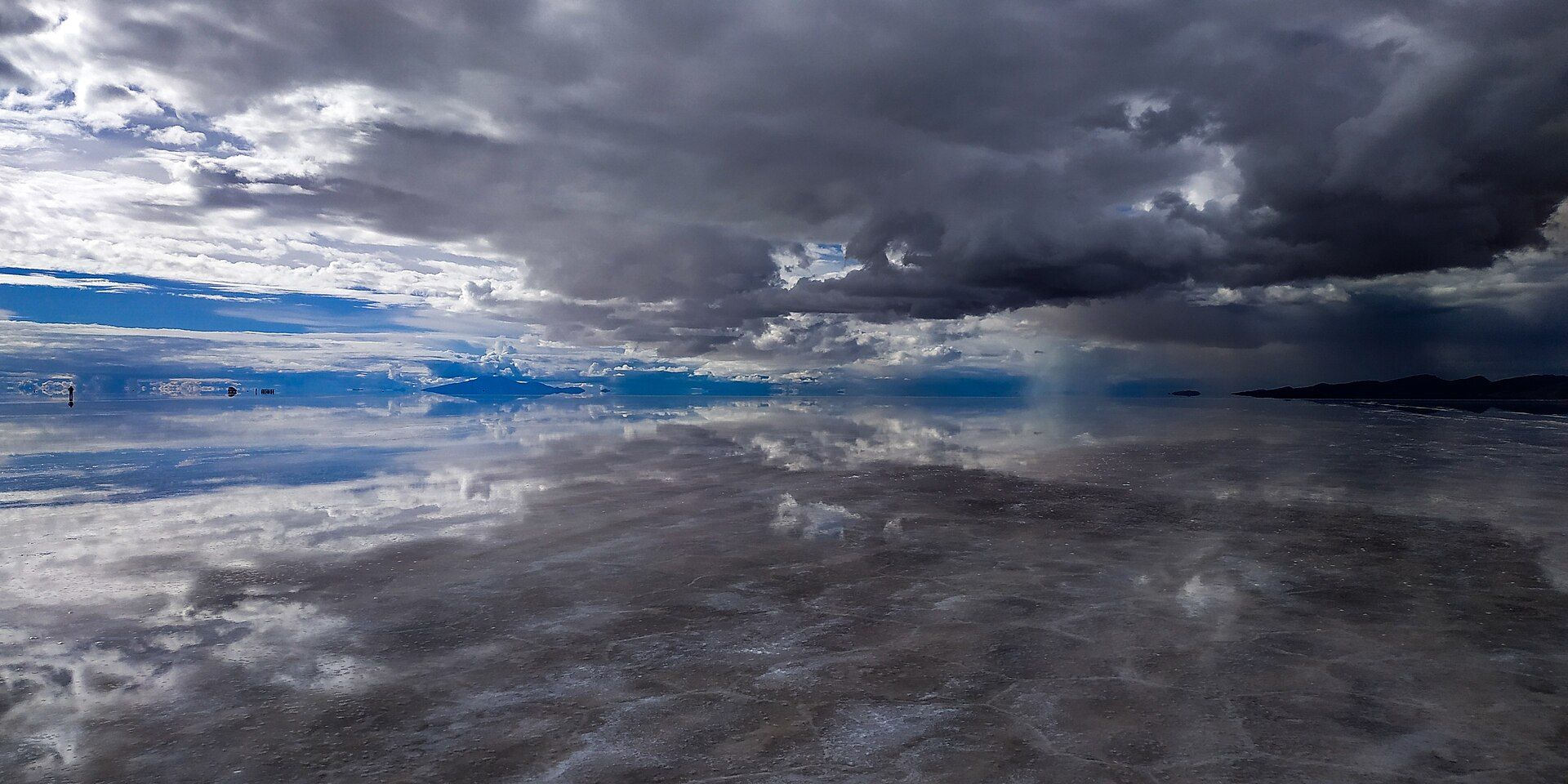
Hemmed between the Andes and a coastal range that block moisture, parts of northern Chile's Atacama receive almost no rain for years at a time. The same dryness, altitude and darkness give it some of the clearest skies on the planet, home to great observatories — and a landscape of salt flats, the El Tatio geysers and flamingo-dotted lagoons.
- The driest desert outside the poles
- World-class stargazing and great observatories
- Variety: salt flats, geysers, lagoons and Valle de la Luna
- Visitable year-round thanks to the dry climate
Head to head
| What matters | The Sahara | The Atacama |
|---|---|---|
| Size Edge: The Sahara | About 9.2 million km² — the largest hot desert on Earth, nearly the size of the United States. | Far smaller; its record is dryness, not size. |
| Dryness Edge: The Atacama | Deeply arid, with fossil aquifers beneath the sand. | The driest nonpolar desert on Earth — some spots have gone years without measurable rain, and a few have arguably never recorded any. |
| Landscape Edge: Toss-up | Sand seas (ergs) of migrating dunes up to about 150 m at Erg Chebbi. | Salt flats, sculpted dunes, geyser fields and Altiplanic lagoons with volcanoes behind. |
| Altitude Edge: The Sahara | A low desert — no acclimatisation needed. | San Pedro sits at about 2,400 m; El Tatio and the high lagoons are around 4,300 m, so a day or two of acclimatising comes first. |
| Best time Edge: The Atacama | October to April; summer is dangerously hot. Winter nights are cold. | Year-round; nights are cold at altitude and the dawn geysers are well below freezing. |
| Night sky Edge: The Atacama | Some of the clearest, darkest skies anywhere, especially on cool spring and autumn nights. | Among the best skies on the planet for astronomy — the reason the world's great observatories cluster here. |
| Getting there Edge: The Atacama | Fly to Marrakech or Fez, then a long drive to Merzouga (about 8–10 h from Marrakech, normally split over two days) and a camel or 4x4 into the dunes. | Fly Santiago to Calama (about 2 h), then about 1–1.5 h by road to San Pedro de Atacama. |
Which should you choose?
Choose The Sahara if…
Anyone who pictures the desert as an ocean of golden sand: camel treks, a night or two in a dune camp, and sunrise over Erg Chebbi between October and April.
Choose The Atacama if…
Anyone who wants variety and the night sky: three or four days of tours to salt flats, dawn geysers and flamingo lagoons from San Pedro, with time set aside for the altitude.
The honest verdict
The Sahara is the biggest; the Atacama is the driest. They hold different records, which is why they are so often confused — and neither is the driest place of all, a title that goes to Antarctica's McMurdo Dry Valleys.
Choose the Sahara for the classic dune desert and a camp night, in the cooler months. Choose the Atacama for a high, varied desert and some of the best stargazing on Earth, at any time of year — but plan around the altitude.
Wonders mentioned here

Added