Head to head · Pakistan's Baltoro Glacier to K2 vs Nepal's Khumbu to Everest
K2 Concordia vs Everest Base Camp: Which Himalayan-Karakoram Trek Should You Do?
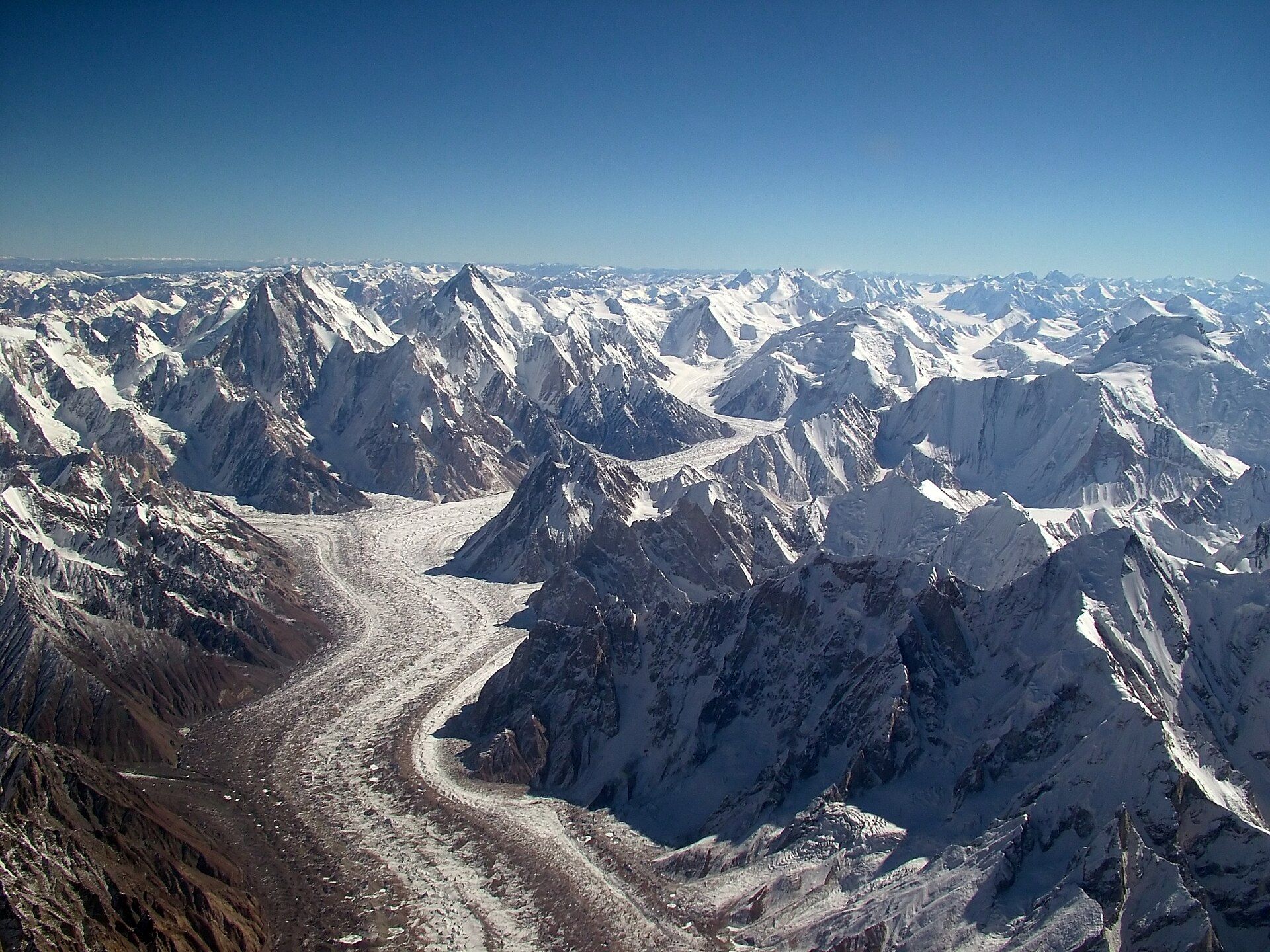
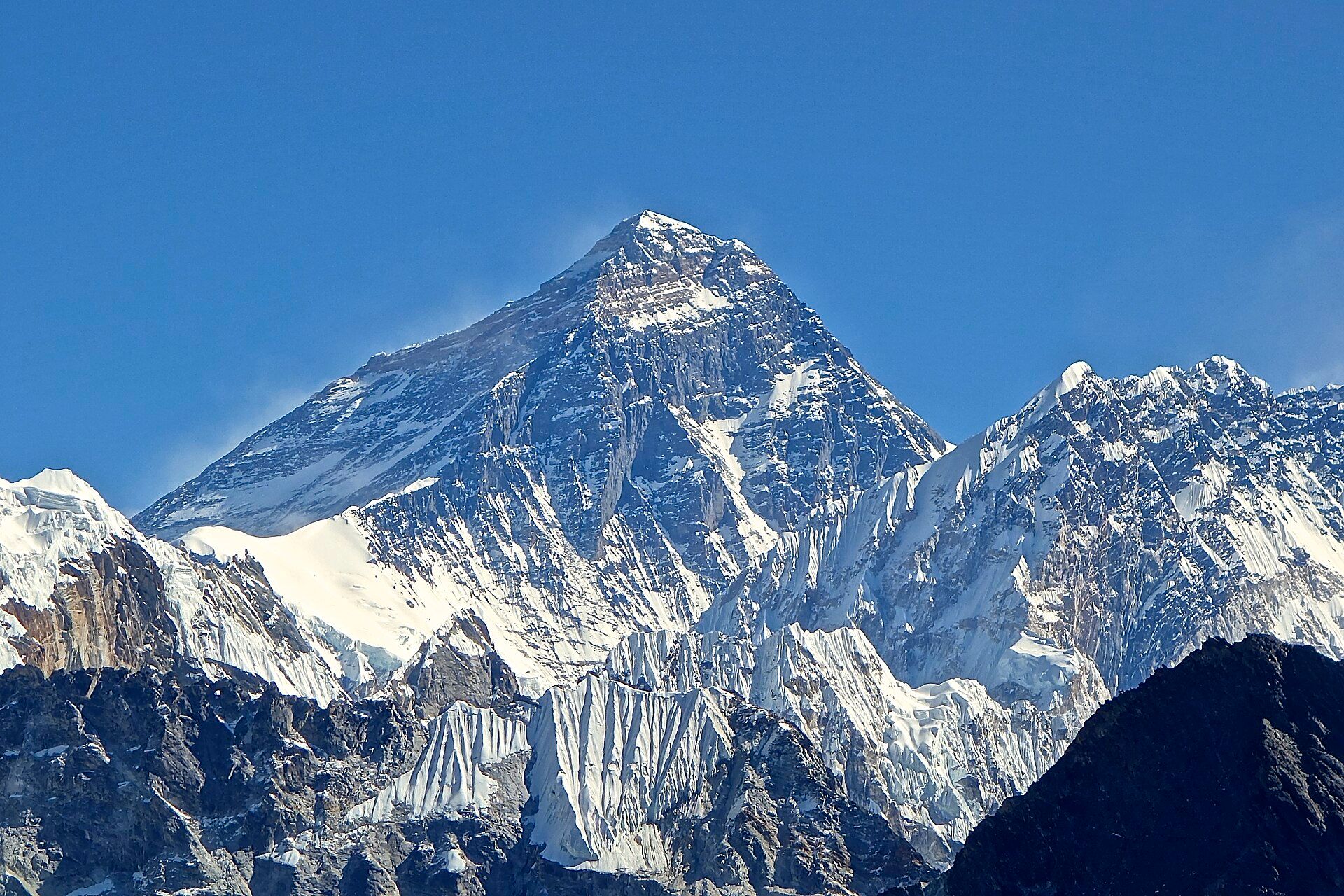
These are the two great 8,000-metre treks. The Everest Base Camp trek follows the Khumbu valley in Nepal from the airstrip at Lukla, through Sherpa villages and monasteries, to the foot of Everest (8,849 m), the highest point on Earth. The Concordia trek in Pakistan's Karakoram follows the 62 km Baltoro Glacier from the roadhead at Askole to Concordia, a junction of glaciers at around 4,600 m where K2 (8,611 m), the world's second-highest and hardest of the giants, stands with Broad Peak, the Gasherbrums and the Trango Towers in one sweep.
The difference is everything around the walking. Everest Base Camp has teahouses with beds and hot food the whole way, medical posts and two trekking seasons. Concordia has no facilities at all: porters carry food and fuel, you camp on moving, crevassed glacier, and the window is essentially July and August.
K2 Concordia
Four 8,000-metre peaks in one view
A 7–8-day walk up the 62 km Baltoro Glacier from Askole to Concordia, among the greatest concentration of high peaks and glaciers outside the poles.
- K2, Broad Peak and the Gasherbrums from one amphitheatre
- The Trango Towers — among Earth's tallest sheer cliffs
- Very few people: mostly expeditions and porter trains
Everest Base Camp
Teahouses to the foot of the highest mountain
A 12–16-day round trip from Lukla up the Khumbu valley in Sagarmatha National Park, a UNESCO World Heritage Site and the homeland of the Sherpa people.
- Teahouse beds and hot food every night
- Two seasons: spring and autumn
- Kala Patthar at dawn for the classic Everest view
Head to head
| What matters | K2 Concordia | Everest Base Camp |
|---|---|---|
| The view Edge: K2 Concordia | From Concordia, more of the world's highest peaks in one 360-degree sweep than anywhere else, K2 among them. | Everest is hidden behind Nuptse from much of the trail; Kala Patthar at dawn is the classic vantage. |
| Length Edge: Everest Base Camp | 7–8 days Askole → Concordia; 14–21 days for the whole trek. | 8–10 days up with acclimatisation days, 3–4 down; 12–16 days round trip. |
| Terrain Edge: Everest Base Camp | Weeks on glacier moraine and the crevassed surface of the Baltoro, with river crossings. | Five to seven hours a day on rocky trail at rising altitude. |
| Where you sleep Edge: Everest Base Camp | Tents. No teahouses anywhere; food and fuel are carried by porters. | Teahouses the whole way; charging and hot water cost extra. |
| Season Edge: Everest Base Camp | Late June–early September, effectively July–August; the rest of the year is severe winter. | March–May and late September–November. |
| Getting to the trailhead Edge: Everest Base Camp | Fly Islamabad → Skardu (1h–1h30 when weather allows, often cancelled) or 20–24 h by road, then 6–8 h by jeep to Askole. | Fly Kathmandu (or Ramechhap in busy seasons) → Lukla, 30–40 minutes when the weather allows; delays are routine. |
| Permits and rules Edge: Everest Base Camp | Trekking permits and, for restricted zones, a licensed operator with liaison arrangements; requirements change. Check your government's travel advice for Gilgit-Baltistan. | Sagarmatha National Park entry plus the Khumbu rural municipality permit; Nepal's solo-trekking and guide rules have changed repeatedly — confirm with the Nepal Tourism Board. |
| Crowds Edge: K2 Concordia | Very few people. | Busy in both seasons; teahouses fill. |
| Rescue and insurance Edge: Everest Base Camp | Rescue is limited and slow; you need cover for high-altitude helicopter evacuation in Pakistan specifically, which many policies exclude. | Medical posts at Namche and Pheriche; insurance must explicitly name high-altitude helicopter evacuation. |
Which should you choose?
Choose K2 Concordia if…
…you have done a high-altitude trek before, can travel in July or August, and want the most dramatic mountain amphitheatre on Earth without the crowds — with an established operator.
Choose Everest Base Camp if…
…this is your first big Himalayan trek, you want a bed and hot food each night, and you need the flexibility of a spring or autumn date.
The honest verdict
Everest Base Camp is the right first big trek: teahouses, medical posts, two seasons and a well-trodden trail. The challenge is altitude, so build in the acclimatisation days and leave slack for Lukla flight delays.
Concordia is an expedition, not a teahouse walk. In return for weeks of camping on glacier, a short summer window and real logistics, it gives you the greatest concentration of high peaks anywhere — and very few other people.
Many trekkers do them in that order: Everest Base Camp first, then the Baltoro once they know how they handle altitude.
Wonders mentioned here
Added