Head to head · Two UNESCO islands of evolution in isolation
Galápagos vs Komodo: Which Wildlife Islands Should You Visit?
Short answer: the Galápagos for the widest range of fearless wildlife, Komodo for dragons, reefs and an easier trip. Both are UNESCO-listed islands where animals evolved in isolation. The Galápagos hold giant tortoises, the world's only marine iguanas, flightless cormorants, sea lions and penguins, all astonishingly unafraid of people. Komodo's dry islands are the only home of the Komodo dragon — the largest lizard on Earth, growing to about 3 m and 70 kg — and its waters in the Coral Triangle hold over 1,000 fish species, mantas and sharks.
Access differs sharply. The Galápagos are reached by flying from Quito or Guayaquil to Baltra or San Cristóbal, and most visitor sites can be entered only with a licensed naturalist guide on a pre-allocated itinerary; 5–8 days is typical. Komodo is a roughly 1h15 flight from Bali to Labuan Bajo, then a day boat or liveaboard, with compulsory ranger-guided walks among the dragons.
Seasons: the Galápagos are a year-round destination (warmer, calmer seas roughly December–May; cooler, richer seas June–November). Komodo is best in the dry season, roughly April–November.
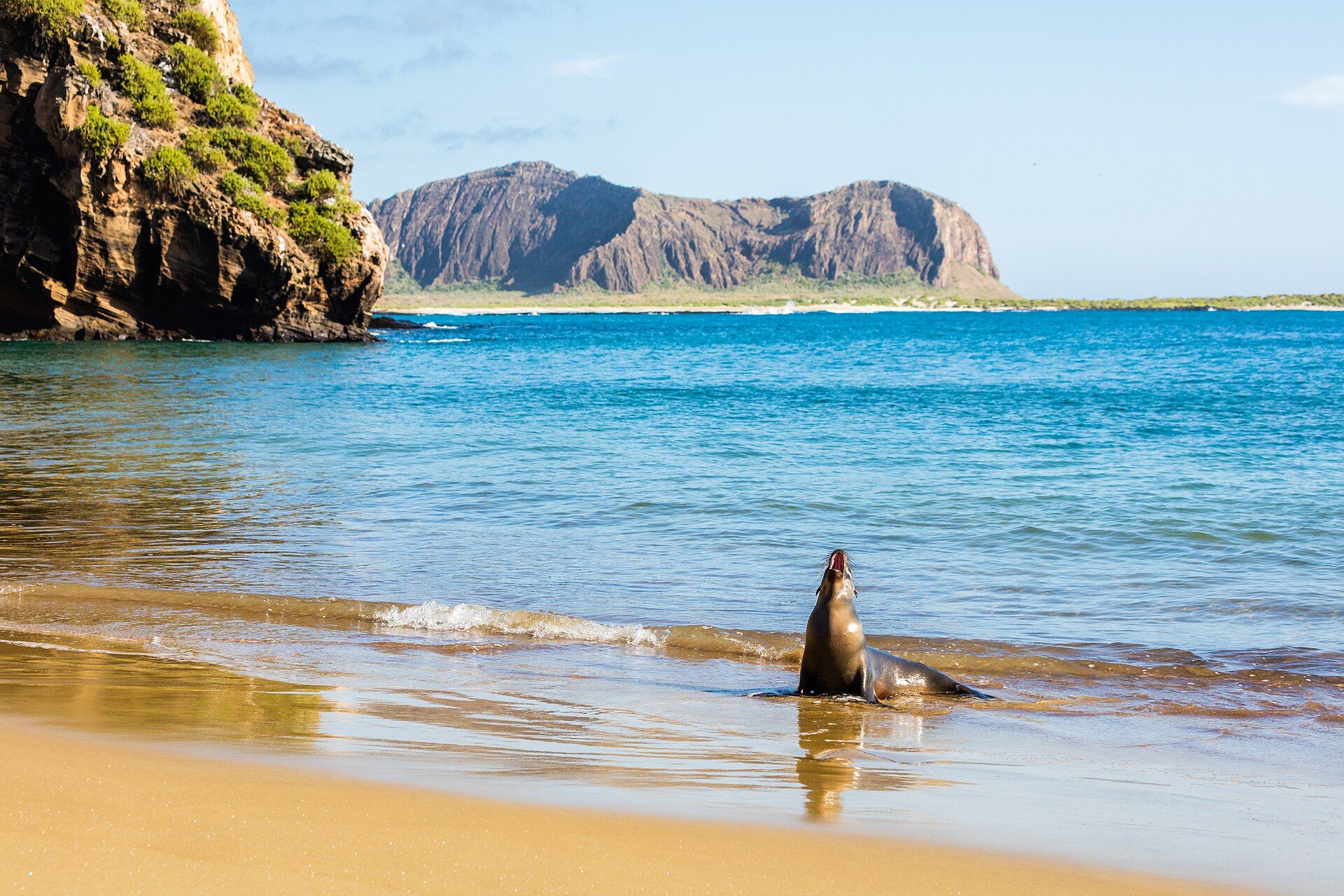
The Galápagos Islands
Giant tortoises, marine iguanas, fearless wildlife
A remote volcanic archipelago never connected to the mainland, colonised by chance arrivals that evolved into forms found nowhere else — the living laboratory that helped Darwin conceive natural selection after his 1835 visit. Cold and warm currents meet here, mixing penguins and tropical fish.
- The widest variety of endemic wildlife, up close
- Animals unafraid of people — a normal lens is plenty
- Snorkelling with sea lions, penguins, rays and sharks
- A capped itinerary system, so sites rarely feel busy
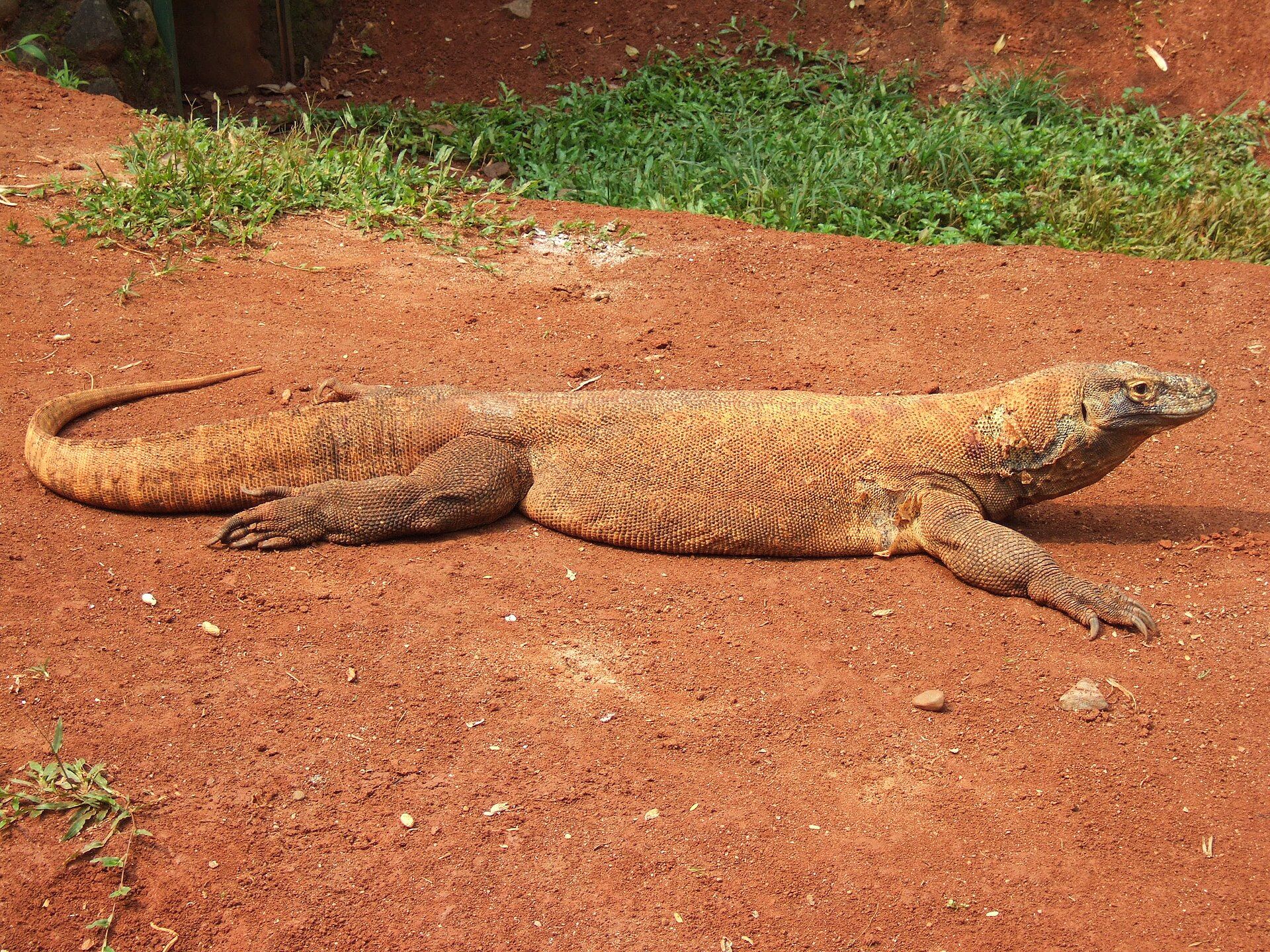
Komodo National Park
The world's largest lizard, above Coral Triangle reefs
Rugged, savanna-clad islands off Flores that are the only home of the Komodo dragon, set in the Coral Triangle where strong currents feed some of the world's richest reefs — and Pink Beach, tinted by fragments of red coral.
- Wild Komodo dragons on ranger-guided walks
- Top-tier drift diving with mantas and sharks
- The Padar Island viewpoint and Pink Beach
- A short flight from Bali; day trips possible
Head to head
| What matters | The Galápagos Islands | Komodo National Park |
|---|---|---|
| Headline wildlife Edge: The Galápagos Islands | Giant tortoises, marine iguanas, flightless cormorants, blue-footed boobies, sea lions and penguins. | The Komodo dragon — about 3 m and 70 kg — on land. |
| Underwater Edge: Komodo National Park | Penguins, sea lions, rays and sharks in water colder than the equator suggests. | Coral Triangle reefs with over 1,000 fish species, mantas, sharks and turtles; strong drift currents. |
| Getting there Edge: Komodo National Park | Quito or Guayaquil, then roughly 2–3 hours' flight to Baltra or San Cristóbal; most of a day from Quito. | Bali to Labuan Bajo, roughly 1h15, then a boat from the harbour. |
| Time needed Edge: Komodo National Park | 5–8 days; liveaboard itineraries run 4–8 nights. | A day trip, or two to three days by liveaboard. |
| How you visit Edge: Toss-up | Licensed naturalist guide on a pre-allocated itinerary; independent wandering at visitor sites is not permitted. | By boat only; ashore on Komodo or Rinca you walk with a park ranger — for safety around wild predators. |
| Best season Edge: The Galápagos Islands | Year-round; roughly December–May for calmer, clearer water, June–November for more active wildlife. | The dry season, roughly April–November, for calm seas and good visibility. |
| Crowds Edge: The Galápagos Islands | Capped by the itinerary system; Puerto Ayora itself is a busy working town. | Day boats converge on Padar and Pink Beach at midday; liveaboards reach quieter sites early and late. |
Which should you choose?
Choose The Galápagos Islands if…
Wildlife lovers who want the most varied, fearless animal encounters on Earth and can give the islands five days or more with a licensed guide.
Choose Komodo National Park if…
Divers and travellers already in Indonesia who want wild Komodo dragons, mantas and Coral Triangle reefs on a short trip from Bali.
The honest verdict
For wildlife variety and intimacy, the Galápagos are unrivalled — but they take time and a guided itinerary, and the park fees were raised recently (check the current amount with the park authority).
Komodo is the easier, shorter trip and the better dive destination; go in the dry season, walk the islands with a ranger, and confirm current park fees, which have been revised and disputed in recent years.
Wonders mentioned here
Added