Places · Ecuador

Natural Wonders of Ecuador: The 4 Most Beautiful Places to Visit

4 places in the atlas

Ecuador packs volcanoes, high páramo, cloud forest, and Amazon rainforest into a compact, equator-straddling country of great biodiversity. But its most famous natural treasure lies roughly a thousand kilometres out in the Pacific: the Galápagos, a volcanic archipelago that, in its isolation, evolved creatures found nowhere else — giant tortoises, marine iguanas, and the finches that helped Darwin conceive natural selection. Converging ocean currents make the islands richer still, mixing penguins with tropical fish. Below are the 4 natural wonders of Ecuador in the atlas — the most beautiful places to build a trip around, each with what makes it remarkable, when to go, and how to reach it. Best overall time: The Galápagos are good year-round; the warm season (roughly December–May) has calmer, clearer seas, the cool season (June–November) more active wildlife.
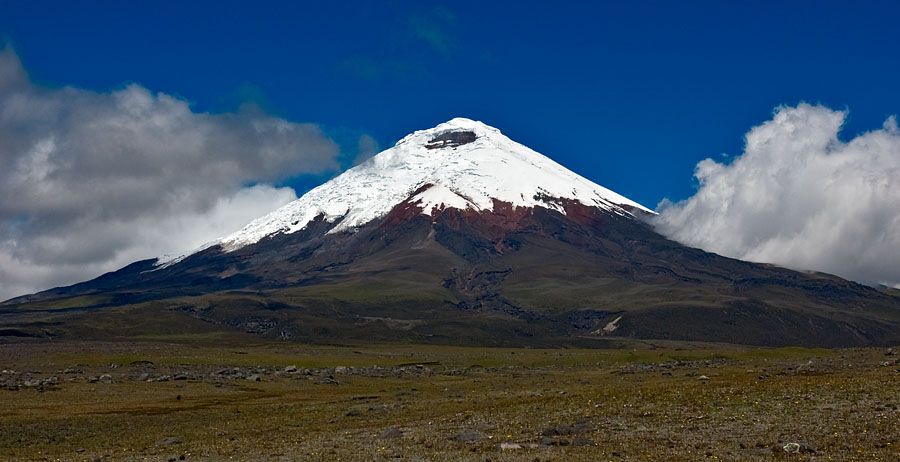
Cotopaxi, Cotopaxi Province, Ecuador

Cotopaxi

Cotopaxi Province, Ecuador

A near-perfect glacier-capped cone rising almost 5,900 metres from the Andean highlands — one of the world's highest active volcanoes, and among the most symmetrical anywhere.

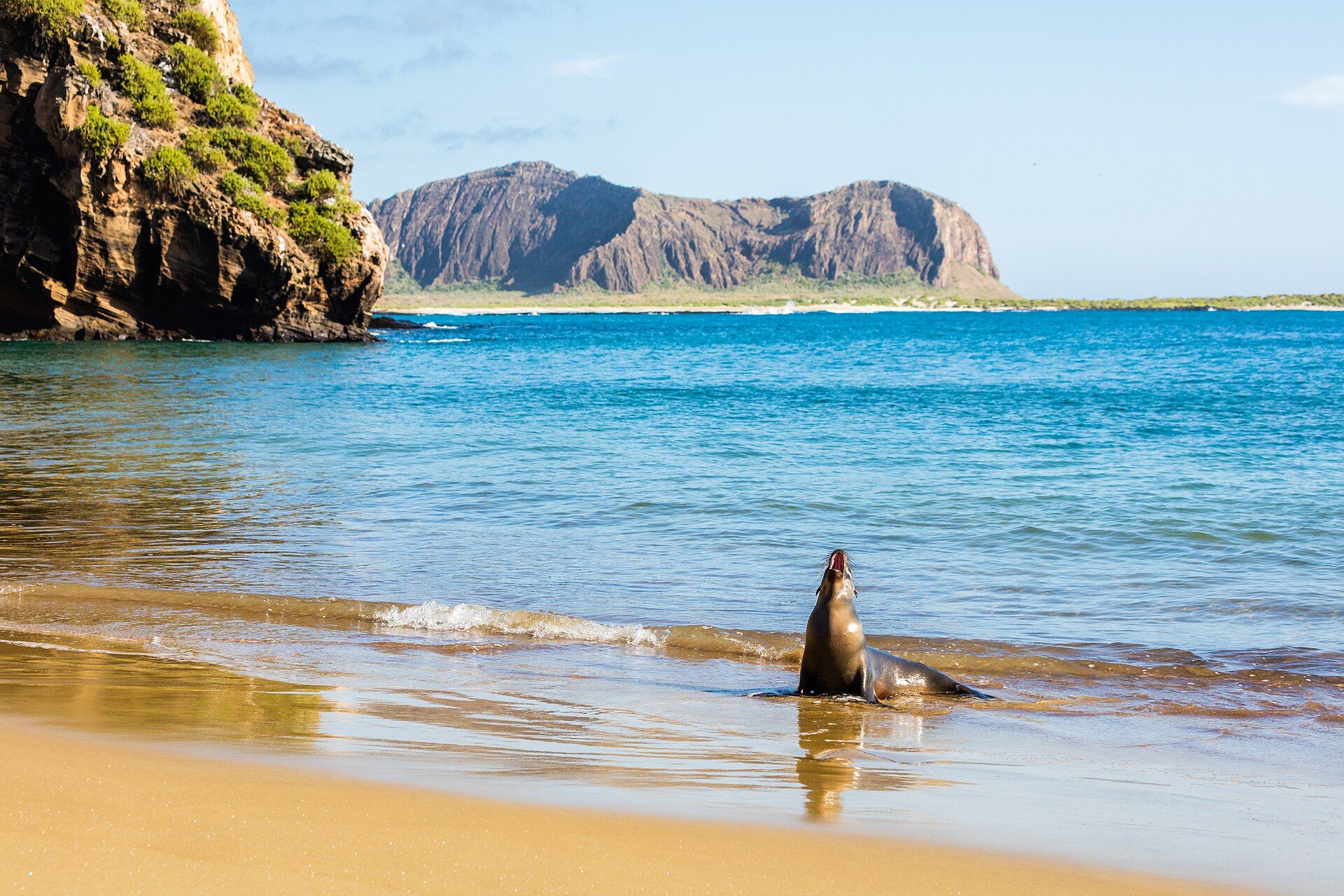
The Galápagos Islands, Pacific Ocean, ~1,000 km west of Ecuador

The Galápagos Islands

Pacific Ocean, ~1,000 km west of Ecuador

A remote volcanic archipelago where evolution is on open display — giant tortoises, marine iguanas, and fearless wildlife found nowhere else, the living laboratory that shaped Darwin's theory of natural selection.

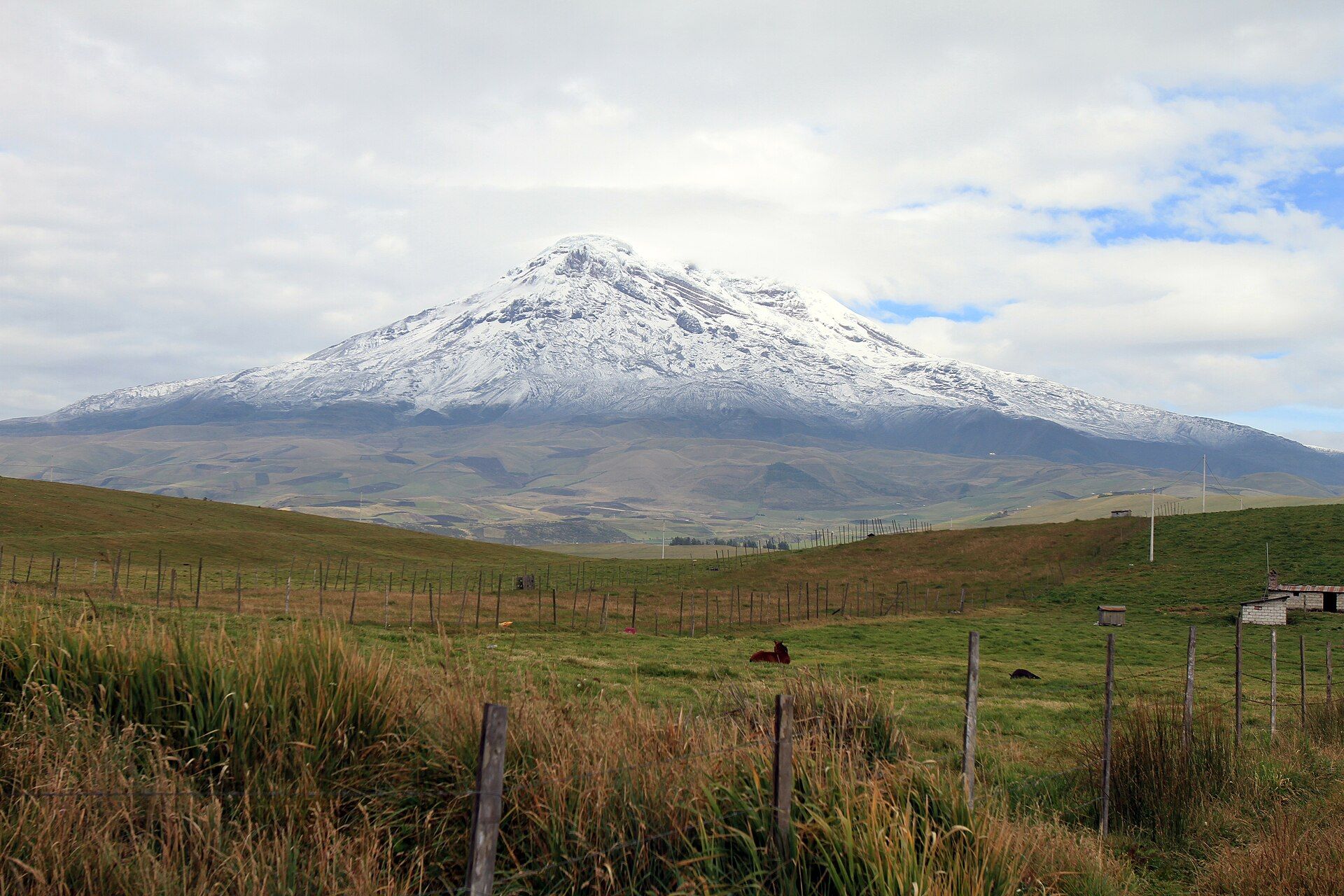
Snow-capped Chimborazo volcano rising above green Andean pastures in Ecuador

Chimborazo

Chimborazo Province, Ecuador, near Riobamba

Ecuador's highest mountain — an ice-capped volcano whose summit, thanks to the equatorial bulge, is the farthest point on Earth's surface from the planet's centre.

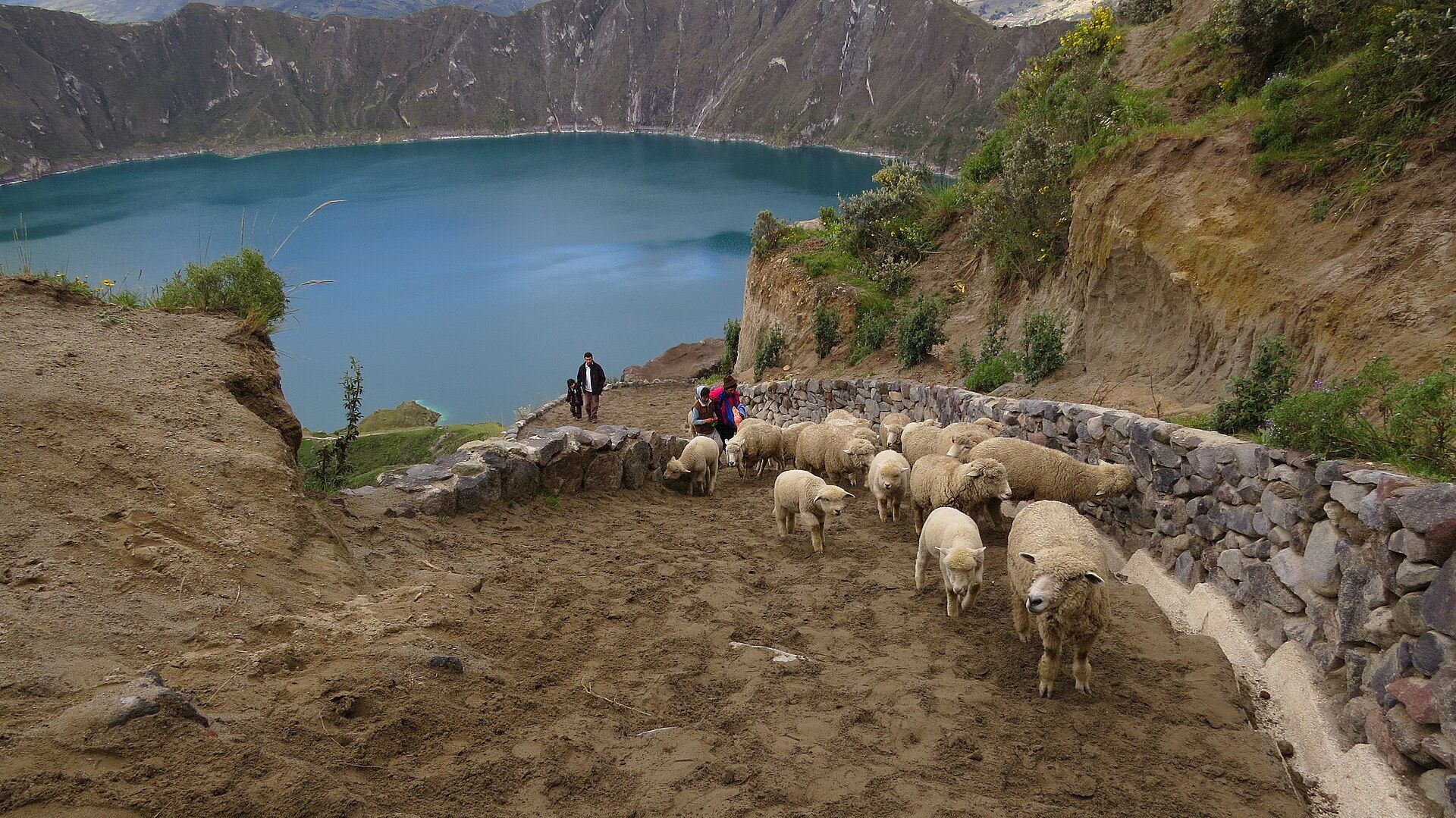
Green Quilotoa crater lake inside its caldera, seen from the path down from the rim, Ecuador

Quilotoa

Cotopaxi Province, Ecuadorian Andes

A green crater lake inside a 3 km-wide volcanic caldera high in the Ecuadorian Andes — reached by walking down from the rim.