Islands of evolution: why isolation breeds wonders
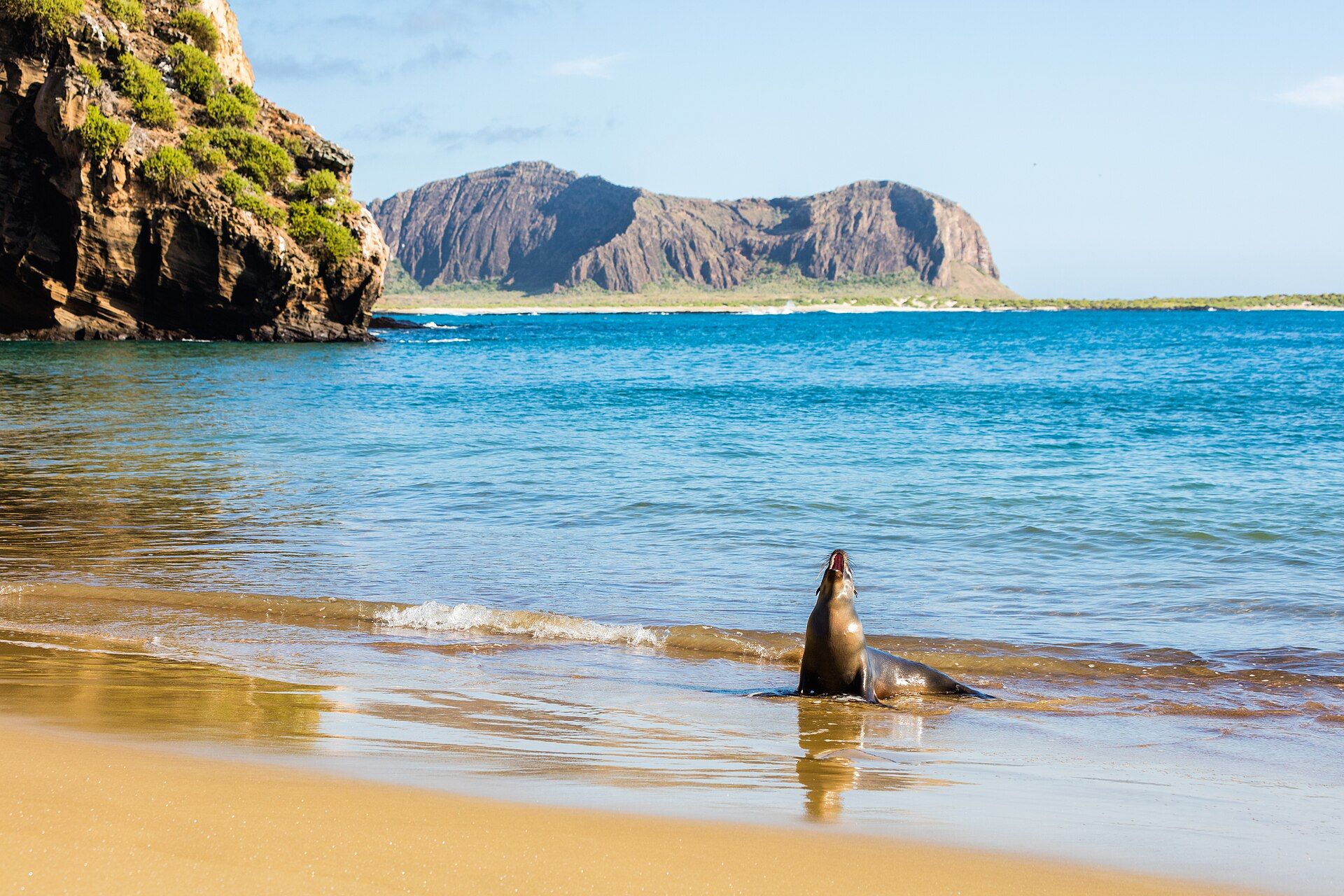
Islands are evolution’s laboratories, and the Galápagos are the most famous lab of all. Born of a volcanic hotspot and never joined to any continent, they were colonised only by chance arrivals — a stray tortoise, a wind-blown finch — which then had nowhere to go and no competition, and so diversified into forms found nowhere else. Giant tortoises, sea-feeding marine iguanas, and those subtly different finch beaks gave Charles Darwin the crucial clue for natural selection in 1835.
The principle repeats wherever life is cut off. Isolation removes predators and competitors and lets local conditions do the shaping: that’s why island wildlife is so often unafraid of people, and why mountains that act like islands — the sky-high slopes of Kinabalu, say — become hotspots of species that exist on that one peak alone.
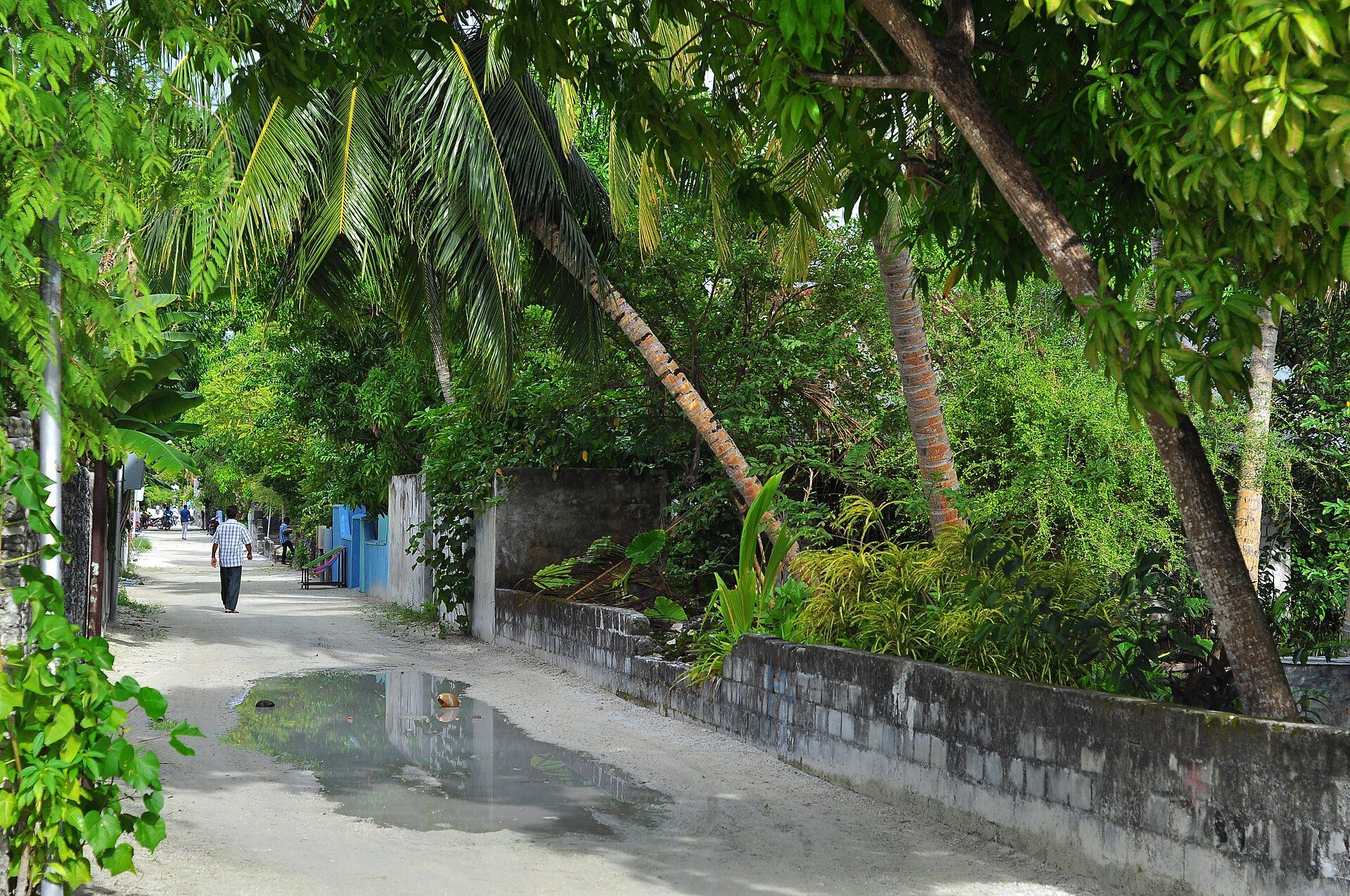
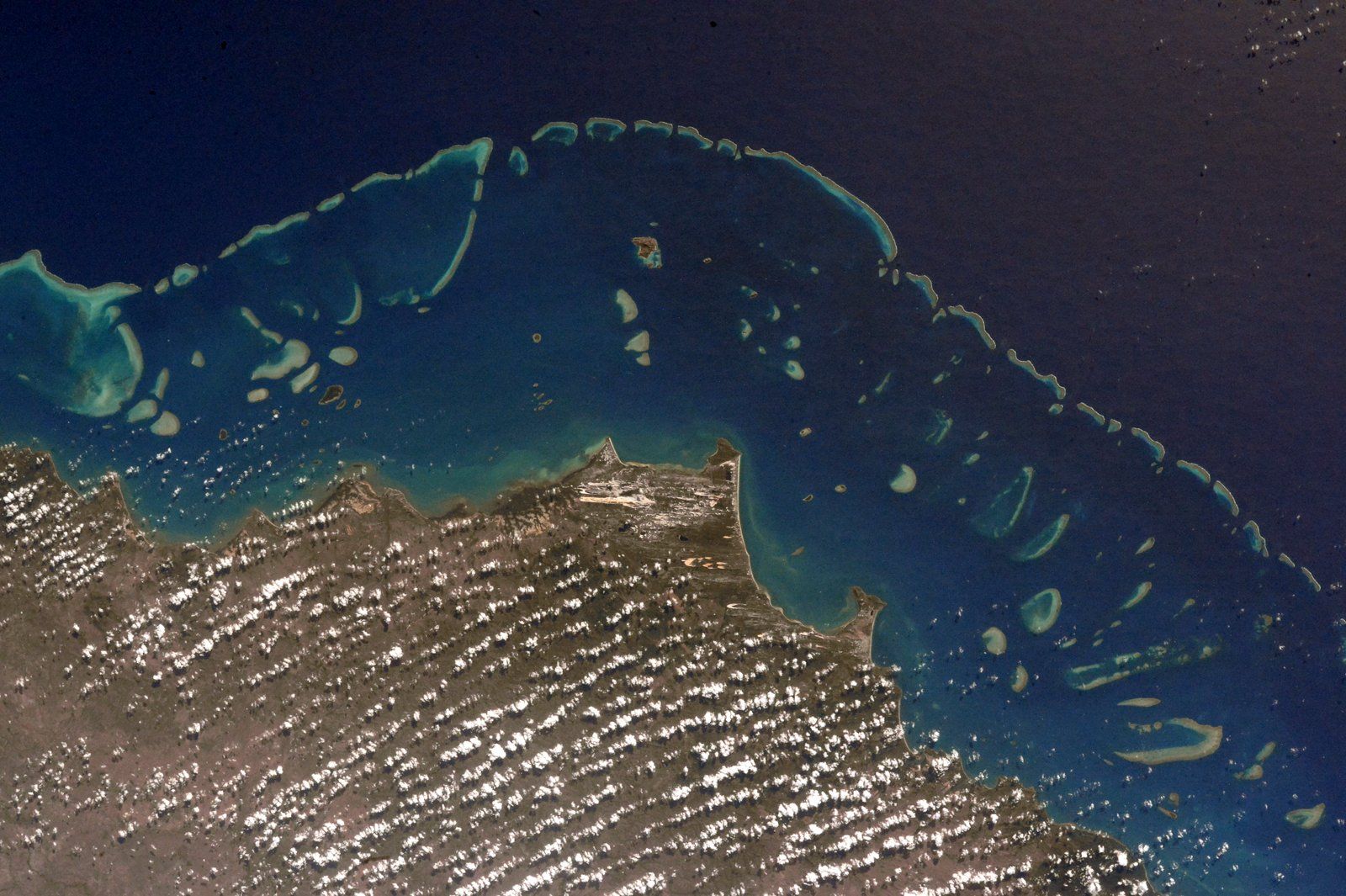
Isolation builds fragility as well as wonder. The Maldives, a nation of coral atolls barely a metre above the sea, and the Great Barrier Reef, the largest living structure on Earth, are both extraordinary precisely because reef ecosystems grew undisturbed for millennia — and both are now on the front line of warming, rising seas. The same isolation that makes an island a marvel can leave it with nowhere to retreat. Understanding that is part of what it means to appreciate these places properly.
Wonders in this article