Nature route · Full loop
North Luzon Cordillera Loop
Rice terraces, caves, and a sea of clouds — a full clockwise loop through the roof of Luzon.
A week-long mountain loop north of Manila linking Banaue's ancient terraces, Sagada's limestone caves, the dawn summit of Mount Pulag, the Hundred Islands, and the ash slopes of Pinatubo — the Cordillera's greatest hits in one drive.
- Length 6–7 days (loop)
- Stops 5 wonders
- Budget ₱13,000–35,000 pp
- Region Luzon, Philippines
Trip map
The route
Stops in travel order — tap any one for the full wonder guide.
-
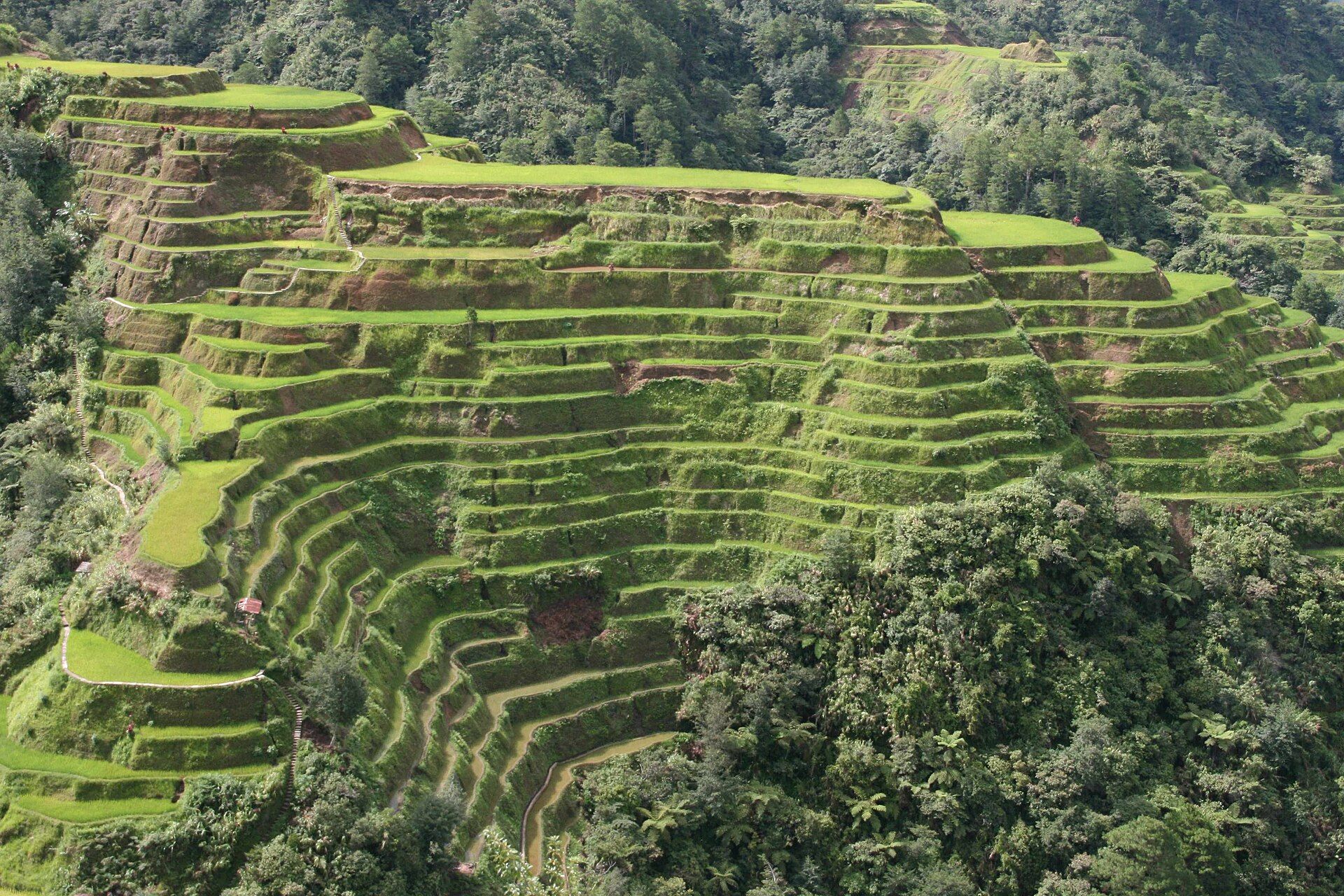
Banaue & the Ifugao Rice Terraces 1 night
Ifugao, Cordillera, Philippines
The 2,000-year-old amphitheatre of hand-built terraces — the loop's cultural anchor and first mountain night.
-
Sagada 2 nights
Sagada, Mountain Province, Cordillera, Philippines
Limestone caves, Echo Valley, and the Kiltepan sea of clouds, a scenic 3–4h drive west of Banaue via Bontoc.
-
Mount Pulag 1 night
Benguet, Cordillera, Philippines
Luzon's second-highest peak and its most famous dawn — a pre-dawn climb to cloud above the ranges.
-
Hundred Islands 1 night
Alaminos, Pangasinan, Philippines
Drop from the highlands to the Lingayen Gulf for a lighter island-hopping day among 100+ karst islets.
-
Mount Pinatubo Crater Lake
Zambales / Tarlac / Pampanga, Luzon, Philippines
The 1991 caldera's turquoise crater lake — a 4x4-and-trek day on the way back to Manila.
Day by day
-
Manila to Banaue
Base Banaue, Ifugao
- Manila to Banaue by night or morning coach — about 9–10h
Travel up into Ifugao and arrive at the Banaue amphitheatre. Spend the late afternoon at the main viewpoints as the light softens over the terraces.
-
Banaue to Sagada
Base Sagada, Mountain Province
- Optional early side-trip to the Batad terraces
- Banaue to Sagada via Bontoc — about 3–4h through the high passes
A spectacular mountain transfer. Arrive in cool, pine-scented Sagada, register at the tourism office, and settle in for two nights.
-
Sagada caves and valleys
Base Sagada, Mountain Province
A full Sagada day: caving in Sumaguing with an accredited guide, the walk through Echo Valley, and the trek down to Bomod-ok Falls through the Fidelisan terraces. Turn in early for tomorrow's summit.
-
Sagada to Mount Pulag
Base Mount Pulag (Kabayan/Babadak), Benguet
- Sagada toward the Pulag ranger station via Bontoc/Baguio approaches — a long mountain half-day
Transfer to the Pulag jump-off, complete the DENR orientation and permit, and rest ahead of a roughly 1–2am start for the classic pre-dawn climb.
-
Pulag dawn, then down to the coast
Base Alaminos, Pangasinan
- Pre-dawn summit climb and descent
- Long descent from the Cordillera to the Lingayen Gulf — about 5–6h
Watch dawn break over the sea of clouds from near 2,900 m, descend, then drop out of the mountains to the coast for a well-earned rest near the Hundred Islands.
-
Hundred Islands, then toward Pinatubo
Base Capas/Santa Juliana, Tarlac
- Morning boat among the islets from Lucap wharf
- Drive south to the Pinatubo jump-off area — about 3–4h
A relaxed island-hopping morning, then reposition toward Pinatubo so you can start the crater trip at first light.
-
Pinatubo crater and back to Manila
Base Manila
- 4x4 across the lahar plain plus a 1–2h trek to the crater rim
- Return drive to Manila — about 3–4h
Ride and walk to the turquoise crater lake in the 1991 caldera, then close the loop back to Manila.
What it costs
Per person, two sharing, 6 nights, all land travel from Manila (no domestic flights). Excludes shopping and big splurges.
| Category | Range (per person) |
|---|---|
| TransportCoaches, vans, jeepneys; higher if you hire a private van or self-drive and split fuel. | ₱3,000–7,000 |
| Lodging6 nights in guesthouses and mountain inns; dorms at the low end, private rooms at the high. | ₱4,500–15,000 |
| FoodLocal eateries and mountain cafés; roughly ₱500–1,200 a day. | ₱3,000–7,000 |
| Fees & guidesSagada cave/falls guides and fees, Pulag permit + guide, Pinatubo 4x4 + guide, Hundred Islands boat and eco fees. | ₱2,500–6,000 |
| Estimated total | ₱13,000–35,000 |
What moves the number
- Public transport vs a hired van or self-drive (the single biggest swing)
- Dorm beds vs private rooms, and how many nights you upgrade
- Group size — 4x4s and boats are priced per vehicle/boat and split cheaper in a group
- Season and booking lead time
Indicative mid-2026 ranges; confirm current fares, permits, and room rates before booking. Roughly US$230–620 per person at mid-2026 exchange rates. These are honest ranges, not quotes — real prices swing with season, group size, and how you travel. Always confirm current fares, room rates, permits, and fees with operators before you commit.
Best season & getting around
🗓️ Best time to go
December to February is ideal: the driest, clearest, coldest window, when Mount Pulag most reliably delivers its sea of clouds and Sagada's mornings are crispest. The wider dry season (roughly November to April) works well; avoid the June–October rains, when mountain roads, caves, and trails turn hazardous.
🧭 Getting around
Doable entirely by public transport (coaches to Banaue and Baguio, vans and jeepneys between mountain towns), but a hired van with driver or a self-drive SUV saves hours on the winding Cordillera roads and makes the Pulag and coastal legs far easier. Mount Pulag and Pinatubo are run as guided trips with permits, orientation, and 4x4s arranged locally.
Know before you go
- Mount Pulag needs a DENR permit, a medical form, and an accredited guide; the summit is genuinely cold (near freezing before dawn) — bring real cold-weather layers.
- Sagada's caves and falls require accredited local guides booked through the tourism office; the Lumiang–Sumaguing cave connection is strenuous and slippery.
- This is a long loop — build in a buffer day for weather or fatigue, and don't try to compress it below six nights.
- Distances are approximate and mountain roads are slow and winding; times shift with weather, roadworks, and stops.
The Cordillera is the Philippines with the volume turned down and the altitude turned up: cool air, pine forests, wood smoke, and some of the most dramatic human and natural landscapes in the country. This loop threads the best of it into a single clockwise circuit from Manila, climbing first into Ifugao for the Banaue terraces, crossing to Sagada’s limestone caves, topping out on Mount Pulag for its famous dawn, then dropping to the coast and closing back past Pinatubo’s crater.
It rewards a full week and a flexible attitude. Roads are slow, weather turns fast, and the two big climbs — Pulag before dawn and Pinatubo across the lahar — bookend the trip with genuine effort. Come in the cold, clear heart of the dry season, keep a buffer day in hand, and travel it slowly enough to feel the mountains change around you.
North Luzon Cordillera Loop: common questions
How many days is the North Luzon Cordillera Loop?
6–7 days (loop) — the plan is built around 6 nights. Roughly 900–1,000 km round trip from Manila by road
When is the best time to do the North Luzon Cordillera Loop?
December to February is ideal: the driest, clearest, coldest window, when Mount Pulag most reliably delivers its sea of clouds and Sagada's mornings are crispest. The wider dry season (roughly November to April) works well; avoid the June–October rains, when mountain roads, caves, and trails turn hazardous.
How much does the North Luzon Cordillera Loop cost?
A rough guide is ₱13,000–35,000 per person (Per person, two sharing, 6 nights, all land travel from Manila (no domestic flights). Excludes shopping and big splurges.). Indicative mid-2026 ranges; confirm current fares, permits, and room rates before booking. Main cost variables: Public transport vs a hired van or self-drive (the single biggest swing); Dorm beds vs private rooms, and how many nights you upgrade; Group size — 4x4s and boats are priced per vehicle/boat and split cheaper in a group.
How do you get around on the North Luzon Cordillera Loop?
Doable entirely by public transport (coaches to Banaue and Baguio, vans and jeepneys between mountain towns), but a hired van with driver or a self-drive SUV saves hours on the winding Cordillera roads and makes the Pulag and coastal legs far easier. Mount Pulag and Pinatubo are run as guided trips with permits, orientation, and 4x4s arranged locally.
Which natural wonders does the North Luzon Cordillera Loop include?
Banaue & the Ifugao Rice Terraces, Sagada, Mount Pulag, Hundred Islands, Mount Pinatubo Crater Lake.
Added