🇬🇹 Natural wonders of Guatemala
The volcanic heart of Central America — a highland country of caldera lakes, smoking cones, turquoise jungle pools, and living Maya culture.
🗓️ Best time for nature: The dry season, roughly November to April, is best for the highlands, volcanoes, and jungle roads; the rains come from about May to October.
The lay of the land
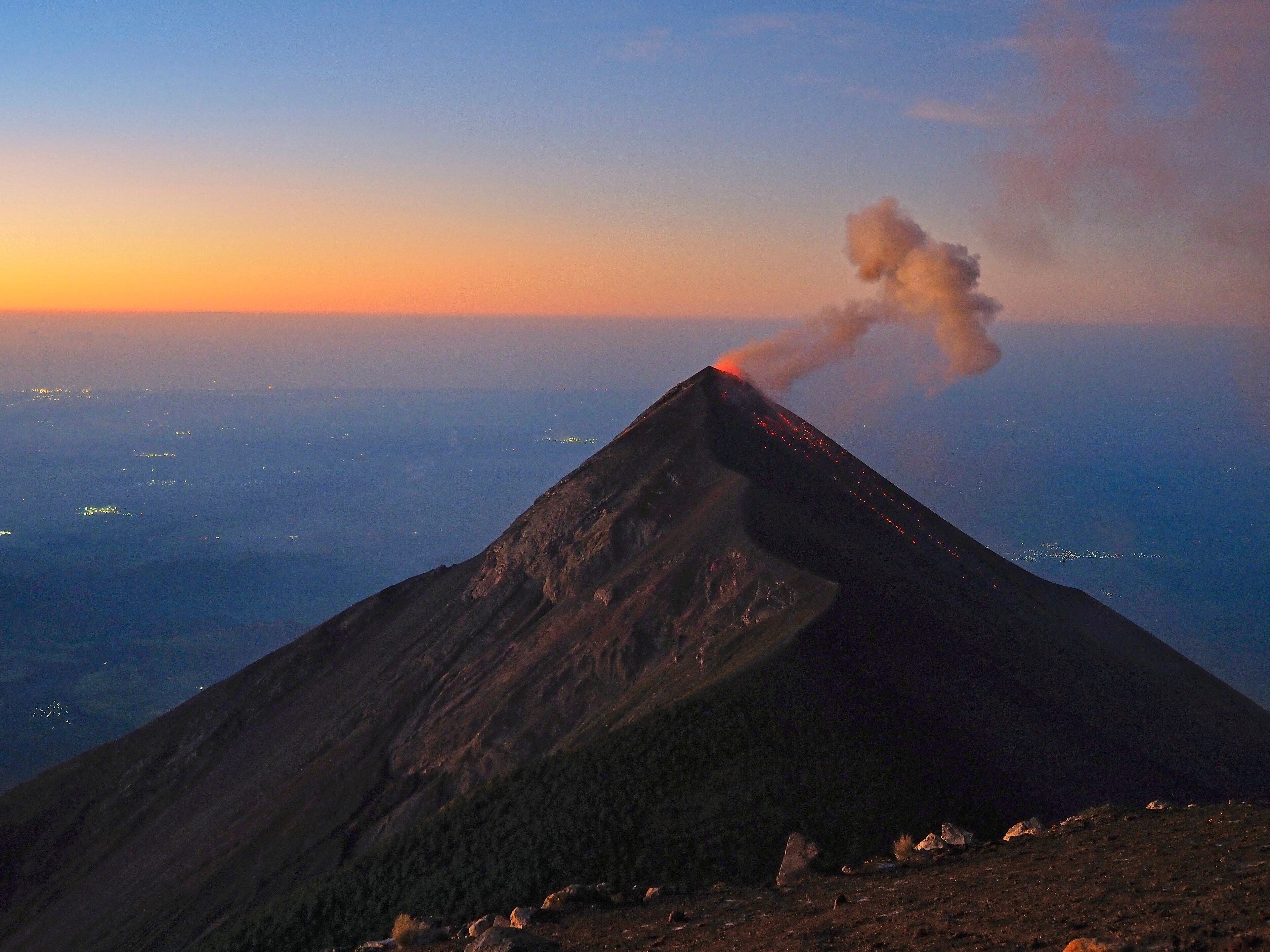
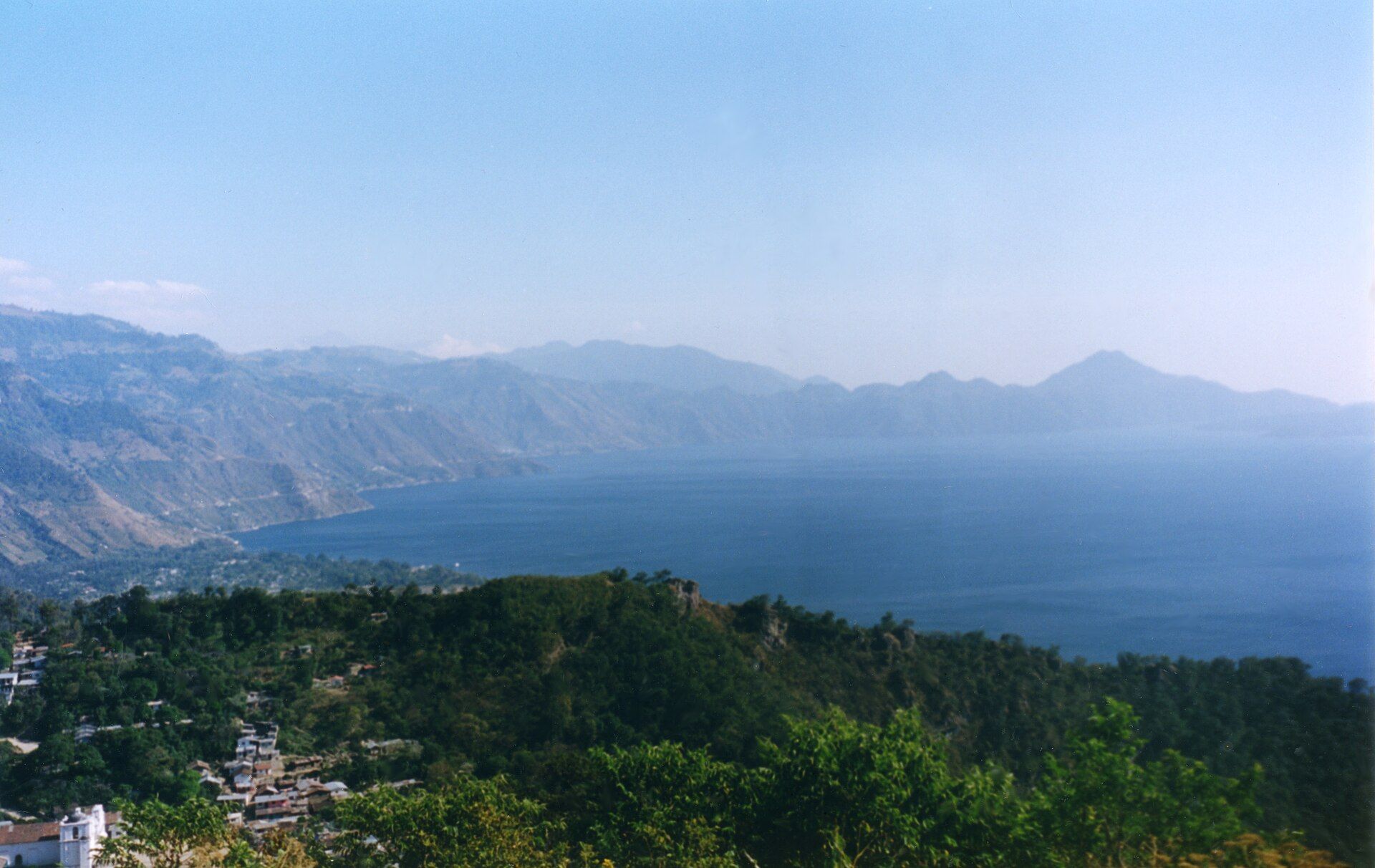
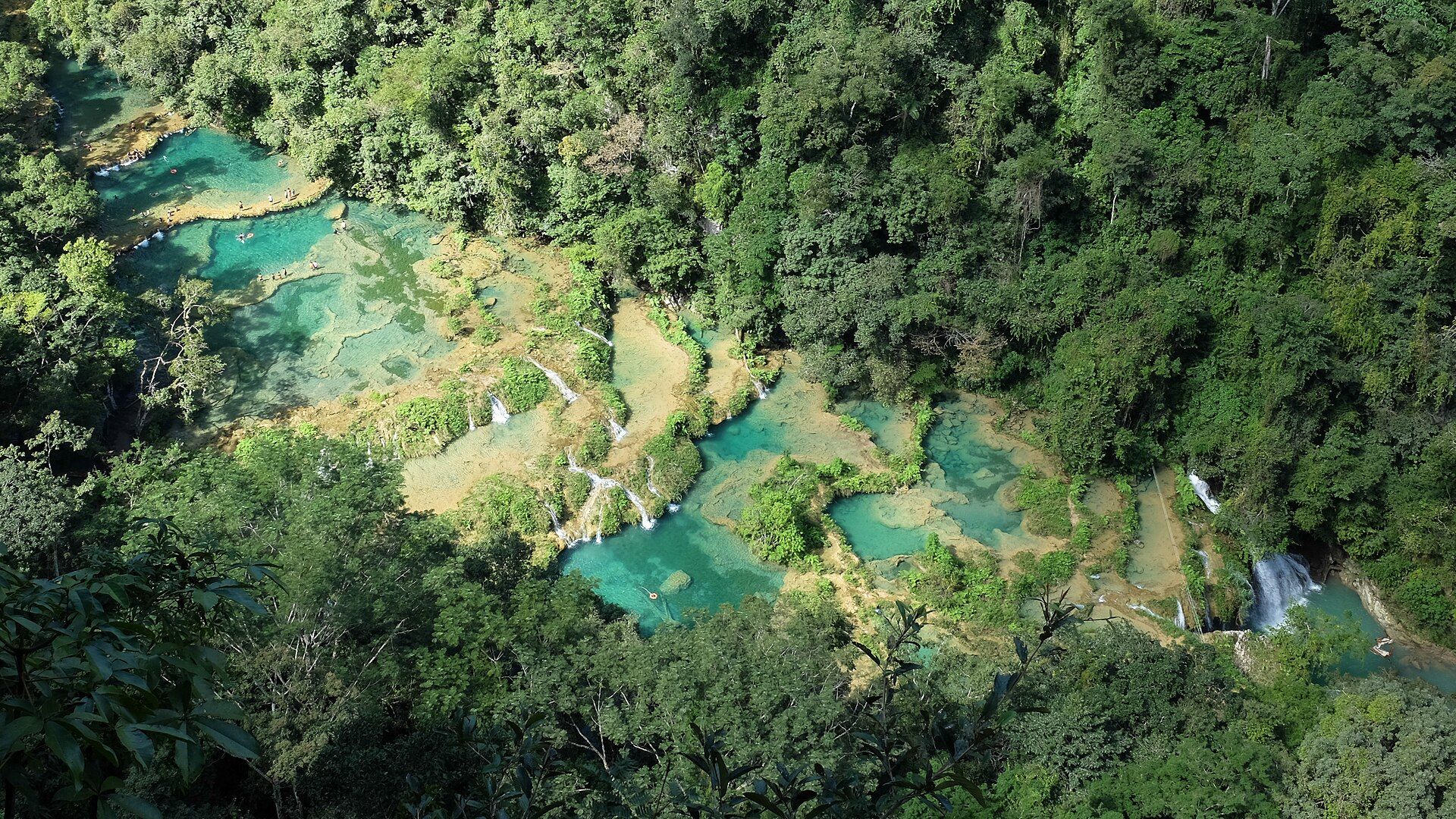
Guatemala sits on the Pacific Ring of Fire, and volcanoes define it. A chain of cones runs across the southern highlands, several still active, like Pacaya, while an ancient caldera cradles the deep blue of Lake Atitlán beneath three perfect volcanoes. To the north, limestone karst country hides jungle wonders such as the turquoise pools of Semuc Champey and vast cave systems. Cloud forest, rainforest, and highland lakes support a rich wildlife and a deep-rooted Maya culture.
Where to begin
-
Lake Atitlán
A deep caldera lake ringed by three volcanoes and Maya villages.
-
Semuc Champey
Turquoise jungle pools atop a natural limestone bridge over a hidden river.
-
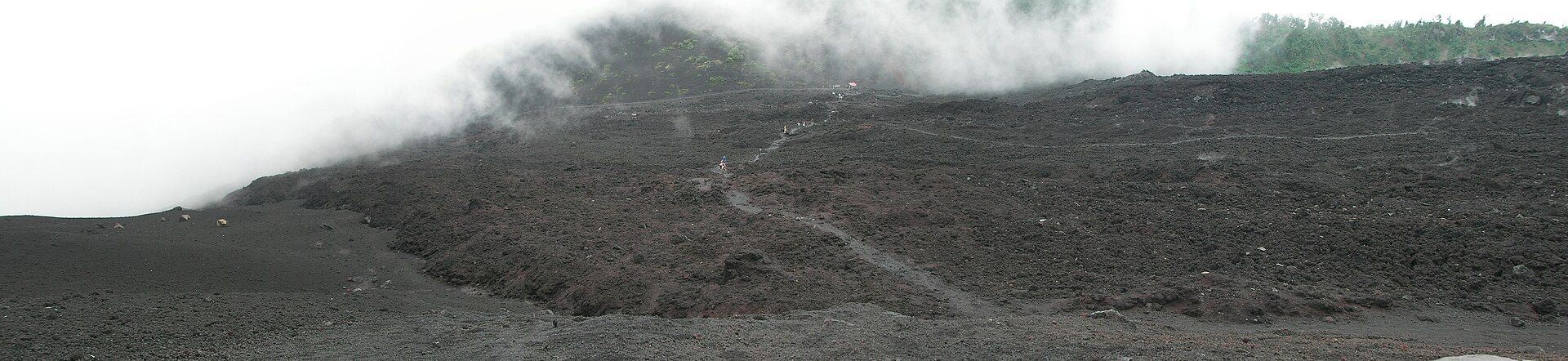
Pacaya
An accessible active volcano hikeable from colonial Antigua.
A taste of the place
Guatemalan food blends Maya and Spanish roots — corn tortillas and tamales, black beans, rich stews like pepián, and highland coffee grown on volcanic soils.
Traveling responsibly
- Travel the highlands and jungle roads in the November–April dry season.
- Check official volcano activity levels before climbing active cones like Pacaya.
- Respect living Maya communities around Lake Atitlán and in the highlands.
Guatemala is Central America’s volcanic highland heart. A chain of cones runs across the south — some, like Pacaya, still erupting — while the caldera lake of Atitlán sits beneath three of them, and the northern karst hides the turquoise pools of Semuc Champey. This atlas begins Guatemala’s chapter with those three, with its rainforests, caves, and further volcanoes still to come.
Added
All wonders in Guatemala
4 places