🇰🇭 Natural wonders of Cambodia
Beyond the temples of Angkor, Cambodia is a land of a great pulsing lake, jungle waterfalls on a carved sandstone plateau, and castaway islands in the warm Gulf of Thailand.
🗓️ Best time for nature: The dry season, roughly November to April, is best for the coast, islands, and jungle roads; the lake is at its vast flooded peak from about September to November.
The lay of the land
Cambodia's landscapes are shaped by water and forest. At its centre lies Tonlé Sap, Southeast Asia's largest freshwater lake, which swells enormously each monsoon when its river reverses course, sustaining a flooded forest and vast fisheries. Forested plateaus like Phnom Kulen rise from the plains with waterfalls and rivers carved with ancient art, while the Cardamom Mountains hold some of the region's wildest rainforest. Along the south coast, jungle-clad islands such as Koh Rong ring white beaches and glowing seas.
Where to begin
-
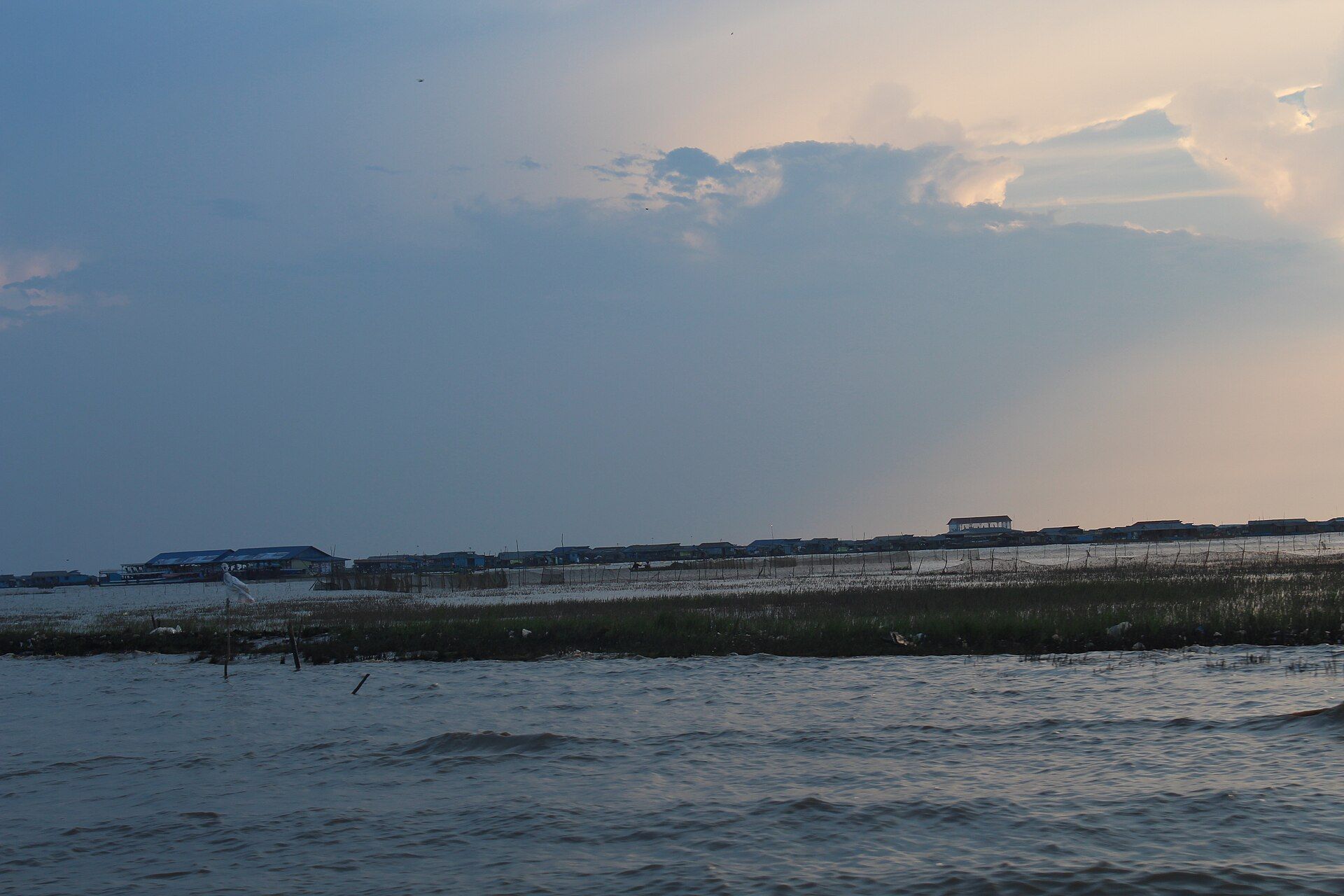
Tonlé Sap
Southeast Asia's largest lake, which reverses its own river each monsoon.
-
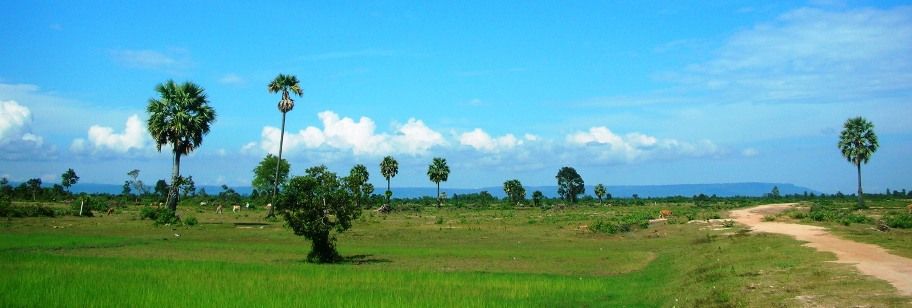
Phnom Kulen
A forested sandstone plateau with a jungle waterfall and a carved riverbed.
-
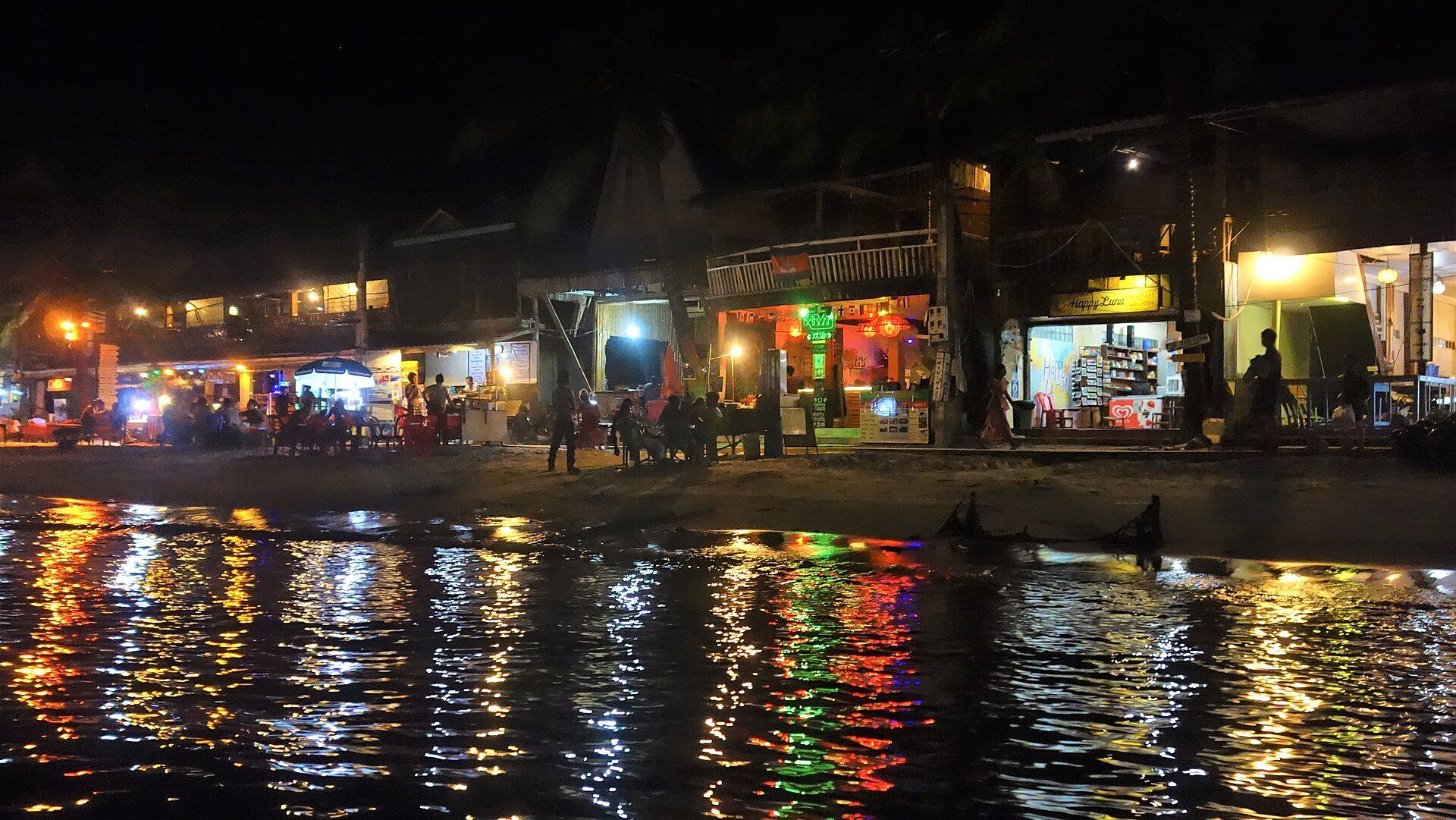
Koh Rong
A forested island of white beaches and bioluminescent night seas.
A taste of the place
Khmer cuisine is fresh and subtle — fish amok, rice noodles (num banh chok), fermented fish (prahok), and Kampot pepper — built on rice, river fish, and abundant herbs.
Traveling responsibly
- See Tonlé Sap at its flooded height after the monsoon; hit the coast in the dry season.
- Choose community-based, ethical tours around the lake and its villages.
- Carry cash for the islands and remote sites, where card facilities are scarce.
Beyond the famous temples of Angkor, Cambodia’s nature is a story of water and forest. Tonlé Sap swells and shrinks with the monsoon at the country’s heart; the sandstone plateau of Phnom Kulen pours a waterfall below a carved riverbed; and jungle islands like Koh Rong ring white beaches and seas that glow at night. This atlas begins Cambodia’s chapter with those three, with its Cardamom rainforests and Mekong wildlife still to come.
Added Updated
All wonders in Cambodia
4 places