Head to head · Two crater rims above live eruptions
Nyiragongo vs Mount Yasur: Which Volcano Lets You Look Into Live Lava?
Nyiragongo and Mount Yasur are two of the very few places where an ordinary traveller can stand on a crater rim and watch molten rock. They are a world apart — the Virunga range above Goma in eastern DR Congo, and Tanna Island in Vanuatu — and they offer two different kinds of spectacle.
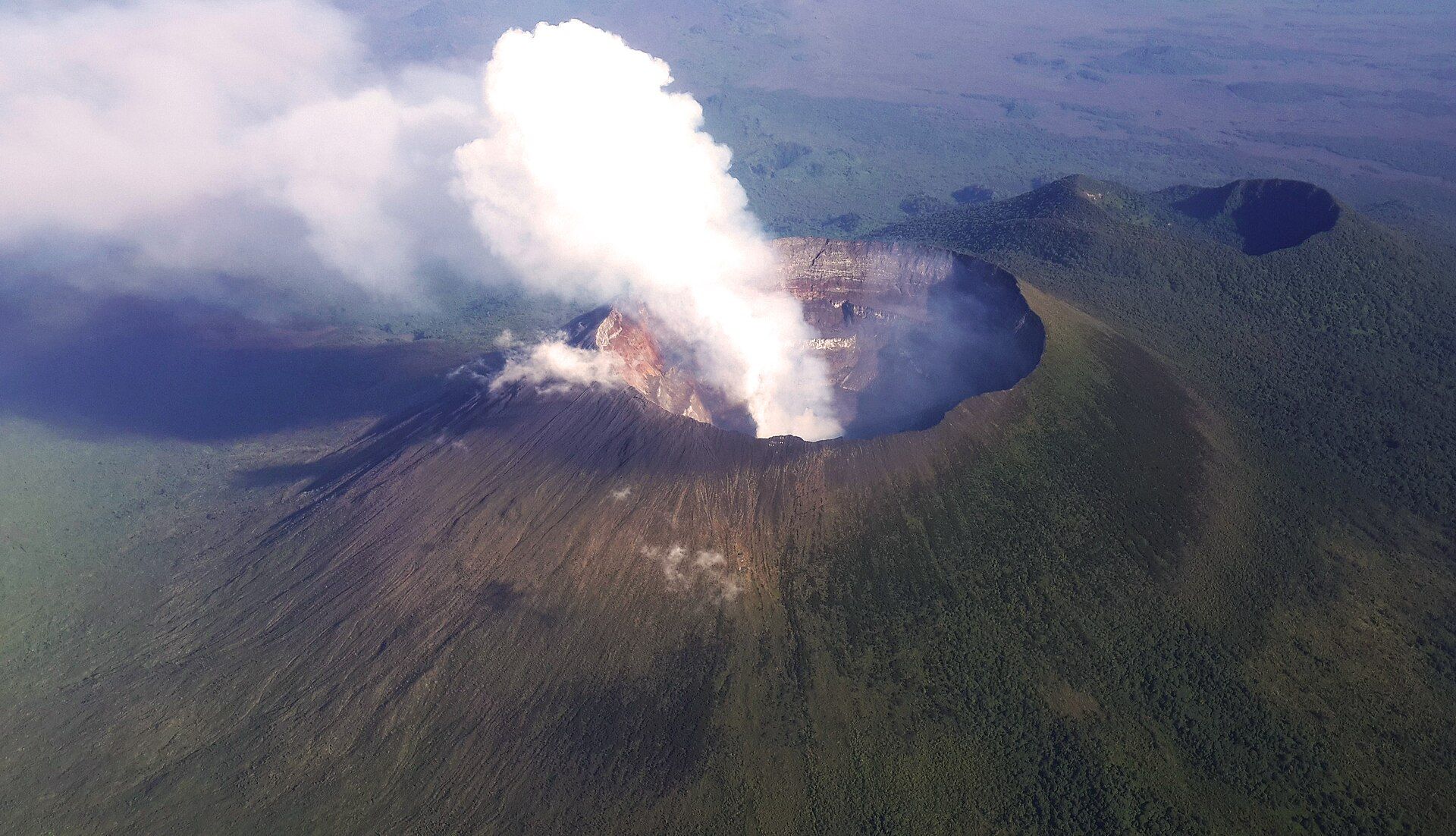
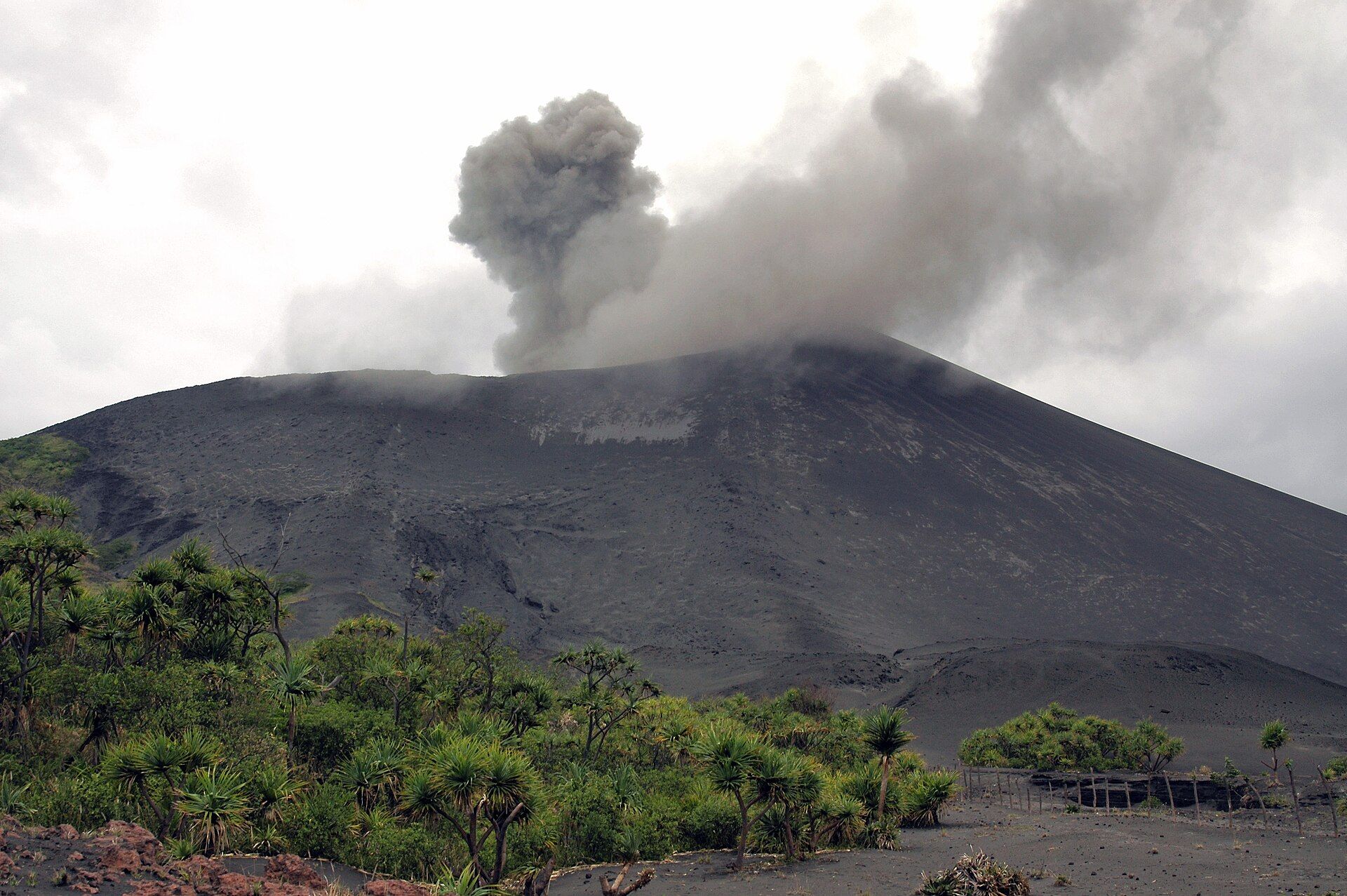
Nyiragongo holds one of the largest persistent lava lakes on Earth: you climb 4–6 hours to the 3,470 m rim and sleep in basic huts to see the lake glow after dark. Yasur erupts in the strombolian style, throwing glowing lava bombs into the air every few minutes; a 4x4 climbs most of the way and a short walk on ash reaches the rim at dusk.
Nyiragongo
A lava lake, seen from a night on the rim
A 3,470 m volcano in Virunga National Park, reached from Kigali via the Gisenyi–Goma border (roughly 3h–3h30) and the Kibati trailhead. A steep 4–6 hour climb to unheated rim huts with a Virunga permit, mandatory guide and armed ranger escort. Security and volcanic activity have closed it to tourism for long periods, and government travel advice for eastern DRC has often been "do not travel".
- One of the largest persistent lava lakes on Earth
- A whole night on the rim, with the lake glowing after dark and before dawn
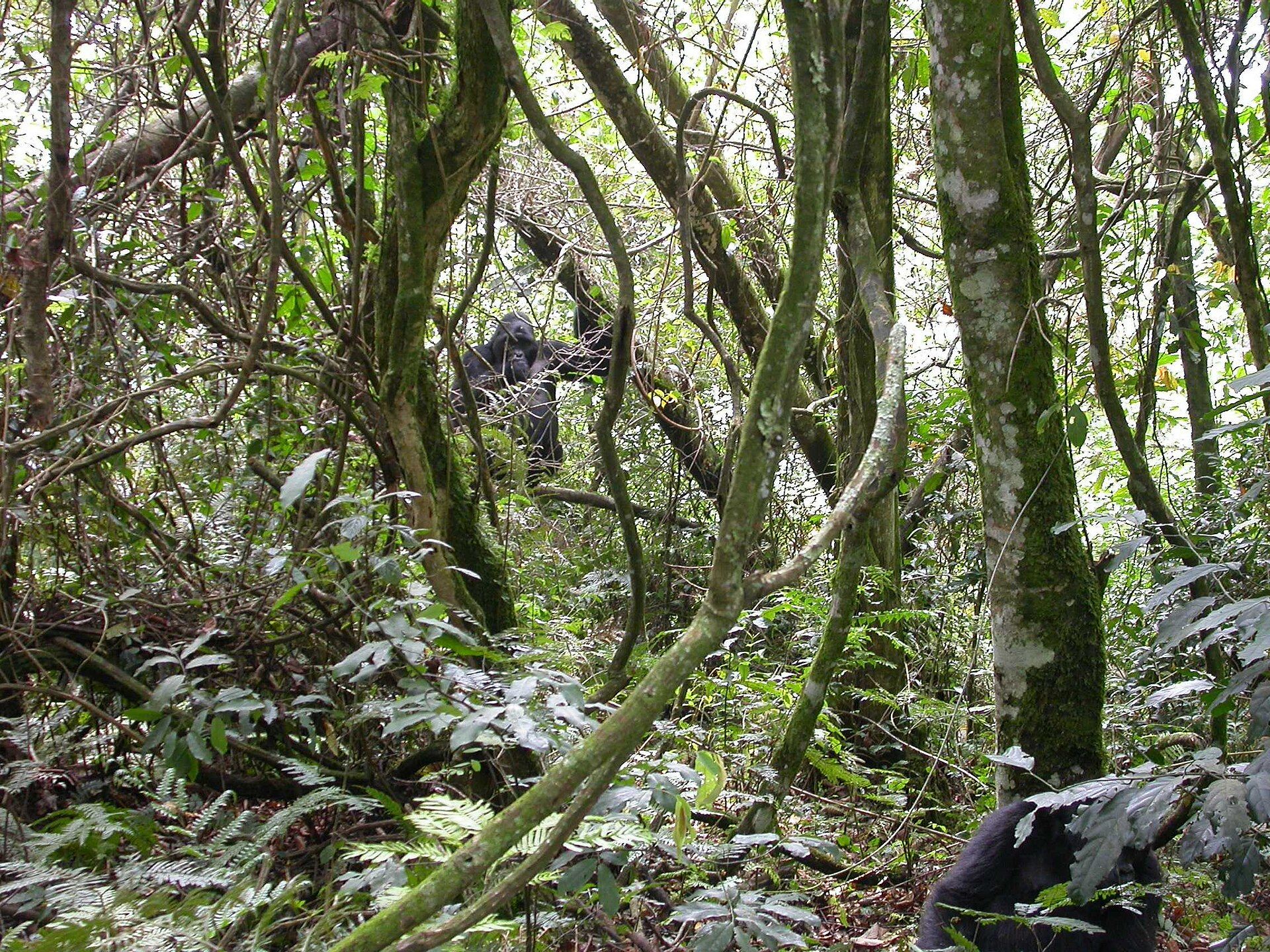
- Gorilla country: Virunga is Africa's oldest national park
Mount Yasur
Lava bombs every few minutes
A near-continuously erupting volcano on Tanna, about 45 minutes–1 hour by light aircraft from Port Vila. A rough 4x4 crossing (roughly 1h–1h30) to a car park near the summit, then a short, steep walk on ash to an unfenced rim, on a guided dusk visit. A custom-owner fee is paid locally, and the rim closes when the alert level rises.
- Explosions every few minutes, felt through the ground
- No climb: a short walk from the car park
- Dusk visits timed for the glow against the last light
Head to head
| What matters | Nyiragongo | Mount Yasur |
|---|---|---|
| What you see Edge: Toss-up | A churning lava lake in the summit crater, crusting and breaking open in slow orange waves. | Strombolian blasts hurling incandescent lava bombs and ash skyward every few minutes. |
| Effort Edge: Mount Yasur | Expedition-grade: a steep, loose climb of 4–6 hours at altitude, often in rain, and a cold night above 3,400 m. | Moderate: a bumpy 4x4 ride, then a short but steep walk on ash. |
| Time needed Edge: Mount Yasur | Two days: up and overnight at the rim huts, down the next morning. | Two nights on Tanna; the crater visit itself is one evening. |
| Permits and guides Edge: Mount Yasur | Virunga National Park permit, mandatory guide and armed ranger escort. | Guided visit with the local custodians; custom-owner fee paid locally. |
| Safety and closures Edge: Mount Yasur | Regional insecurity and recent destructive eruptions (1977, 2002, 2021) have closed it for long periods; check Virunga and your government's travel advice. | An active vent where ejected material has injured people; the rim closes at higher alert levels set by Vanuatu's Meteorology and Geo-Hazards Department. |
| Chance of seeing it Edge: Mount Yasur | Cloud and gas often fill the crater; there is no guarantee of seeing the lake after the climb. | Visits only go ahead when activity allows; at an open alert level the blasts are frequent. |
| Best months Edge: Toss-up | Drier spells, roughly June–August and December–February. | The drier season, roughly May–October. |
| Getting there Edge: Toss-up | Fly to Kigali, cross into Goma by road, then the trailhead — most of a day. | Fly to Port Vila, then a light aircraft to Tanna and a 4x4 — most of a day. |
Which should you choose?
Choose Nyiragongo if…
…you are fit, prepared for a cold night at altitude, and the park is open and your government's advice allows travel — and you want the lava lake itself.
Choose Mount Yasur if…
…you want to see an eruption without an expedition, are already travelling in the South Pacific, or want the most accessible live-lava experience.
The honest verdict
For most people, Mount Yasur: a short walk from the car park puts you on the rim of an erupting volcano at dusk, with blasts every few minutes.
Nyiragongo is the rarer sight — a lava lake rather than explosions — but it is an expedition: a 4–6 hour climb, a freezing night on the rim, and access that depends on both the volcano and the security situation in eastern DRC.
Either way, check the official status first: Virunga National Park and your government's travel advice for Nyiragongo, and the Vanuatu Meteorology and Geo-Hazards Department alert level for Yasur. When either says no, the visit does not happen.
Wonders mentioned here

Added