🇨🇴 Natural wonders of Colombia
One of the most biodiverse countries on Earth, where the Andes fan out toward the Amazon and Caribbean — home to a river that runs five colours and valleys of the world's tallest palms.
🗓️ Best time for nature: Caño Cristales colours roughly June–November; the Andes are green year-round, with drier windows around December–March and July–August.
The lay of the land
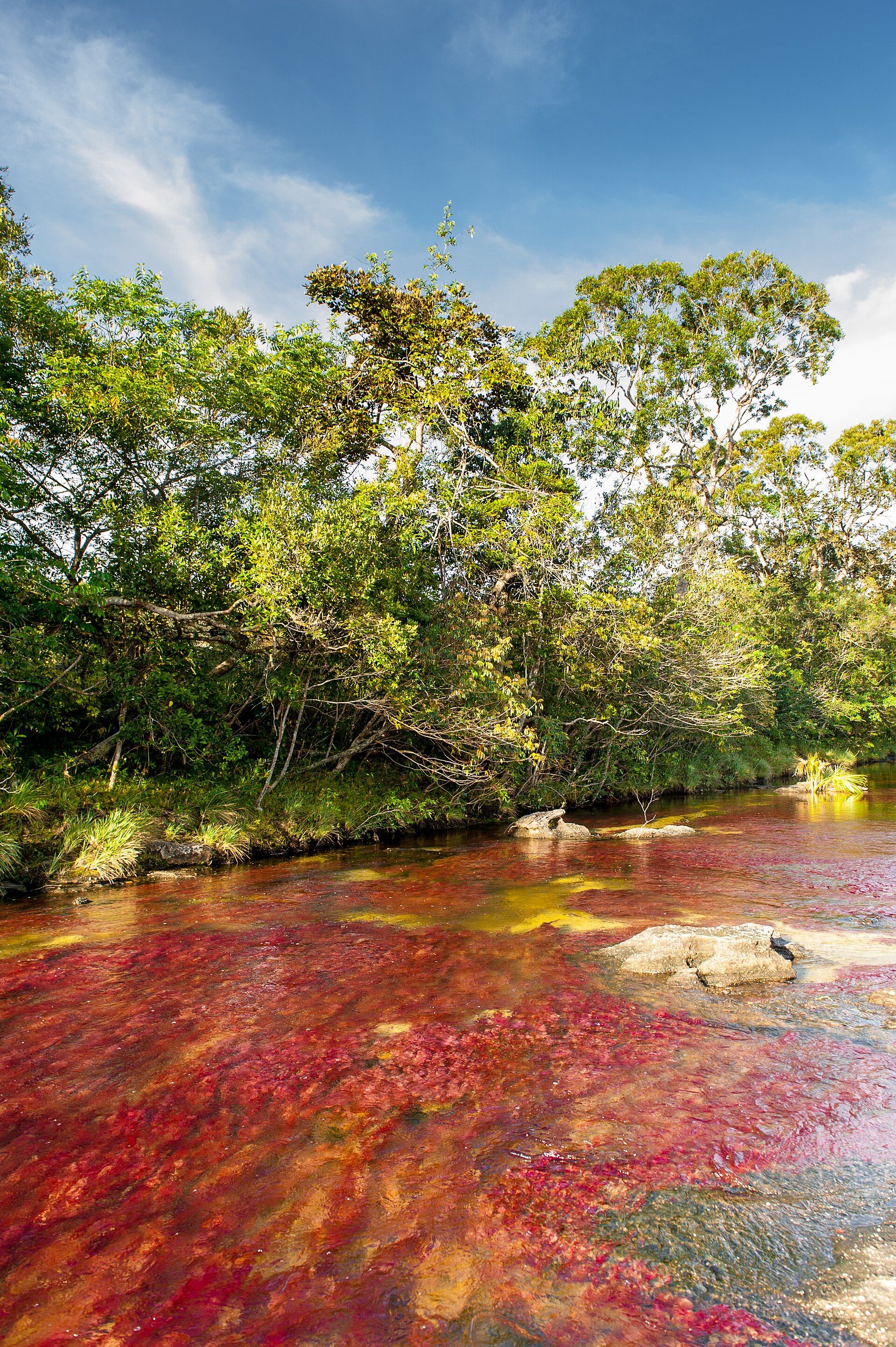
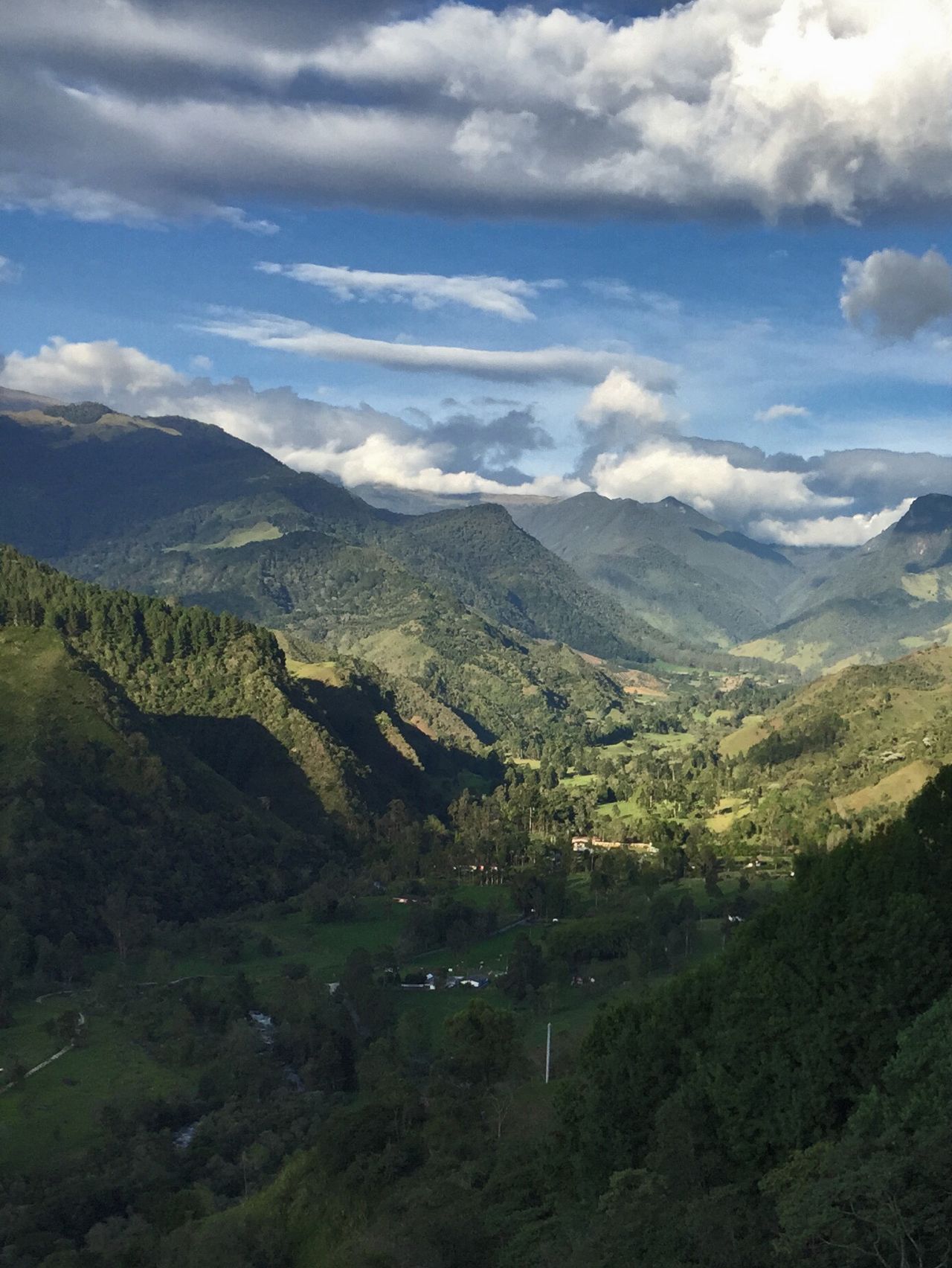
Colombia sits where the Andes split into three ranges and meet the Amazon, the Orinoco plains, and two ocean coasts, giving it staggering biodiversity — it ranks among the very top countries for birds and plants. In the remote Serranía de la Macarena, the river Caño Cristales blooms into a living rainbow when a rare aquatic plant turns crimson; in the coffee-country Andes, the Cocora Valley shelters the world's tallest palms in cool cloud forest. Rivers, cloud forests, páramo highlands, and reefs complete the picture.
Where to begin
-
Caño Cristales
The 'river of five colours', which blooms crimson in season.
-
Cocora Valley
Cloud-forest valley of the world's tallest palms.
-
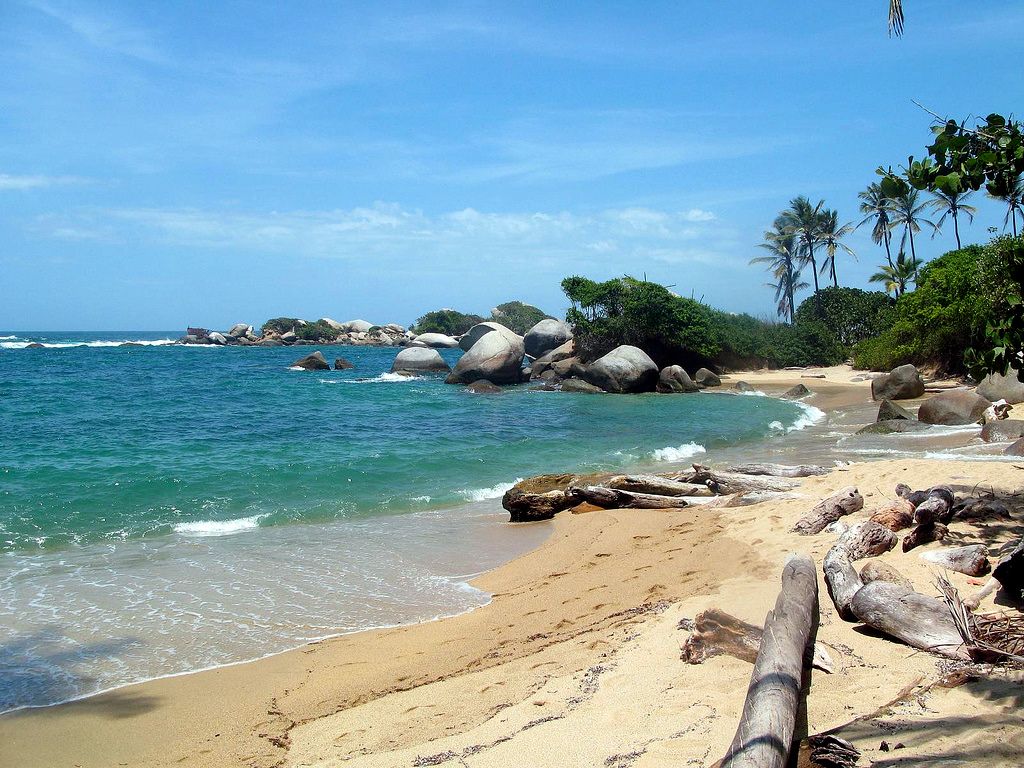
Tayrona National Park
Caribbean coves and giant boulders where jungle meets the sea.
-
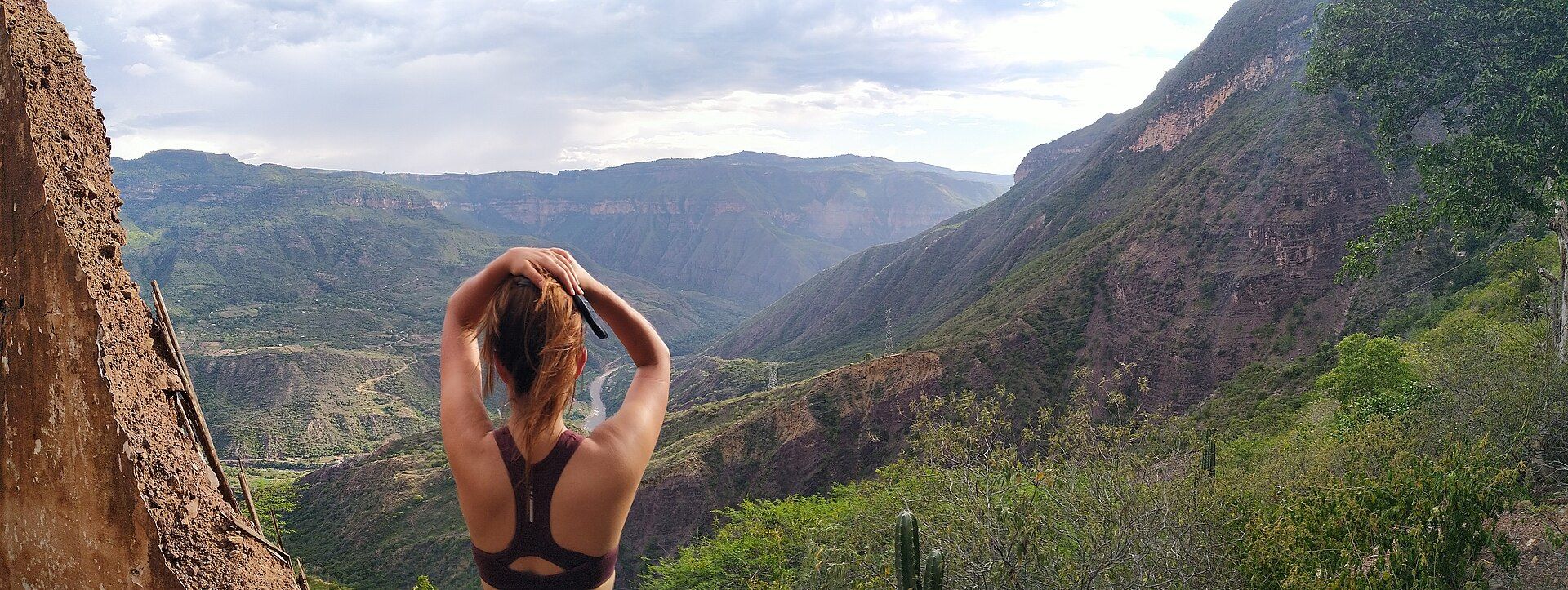
Chicamocha Canyon
A two-kilometre-deep Andean gorge crossed by a spectacular cable car.
-
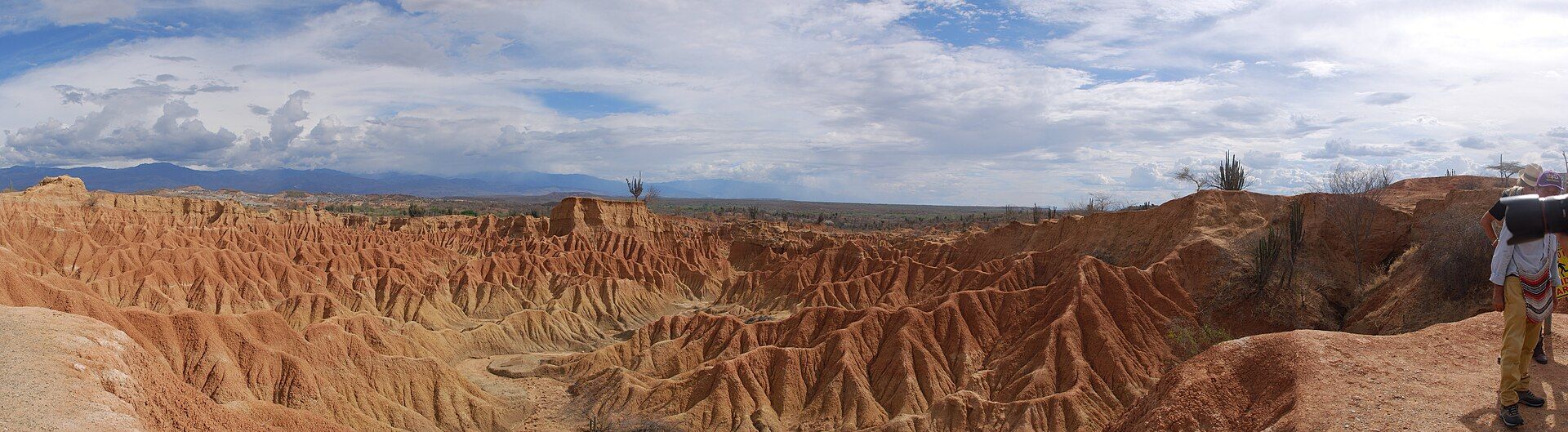
Tatacoa Desert
Red and grey eroded badlands under some of Colombia's darkest skies.
A taste of the place
Colombian food is regional and hearty: the Andean bandeja paisa (beans, rice, meat, plantain, egg), fresh Andean trout, arepas, tropical fruit, and world-famous coffee from its UNESCO-listed coffee region.
Traveling responsibly
- Time a Caño Cristales trip to the bloom season and go with authorised guides.
- Start Cocora hikes early for clear views before afternoon cloud.
- Pair the coffee region's valleys with a farm visit.
Colombia is where the Andes fan out toward the Amazon and two oceans, producing some of the richest biodiversity on Earth. Two of its natural marvels play with colour and scale: in the remote Serranía de la Macarena, the river Caño Cristales turns into a ‘liquid rainbow’ when an endemic plant flushes deep red across its bed; and in the coffee-country highlands, the Cocora Valley shelters wax palms up to 60 metres tall — the tallest palms in the world — in cool Andean cloud forest. This atlas begins Colombia’s chapter with those two, with much more of its megadiverse landscapes to follow.
Added Updated
All wonders in Colombia
5 places