Nature route · A week
New Zealand: South to North
A drowned fjord, the tallest Alp, a volcanic crossing, and geysers — both islands' wild best.
A both-islands route through New Zealand's headline landscapes: the sheer Milford Sound and towering Aoraki/Mount Cook on the South Island, then the volcanic Tongariro crossing and the geothermal fields of Rotorua on the North.
- Length 9–12 days
- Stops 4 wonders
- Budget NZ$4,000–12,000 pp
- Region New Zealand, New Zealand
Trip map
The route
Stops in travel order — tap any one for the full wonder guide.
-
Milford Sound 2 nights
Fiordland National Park, South Island, New Zealand
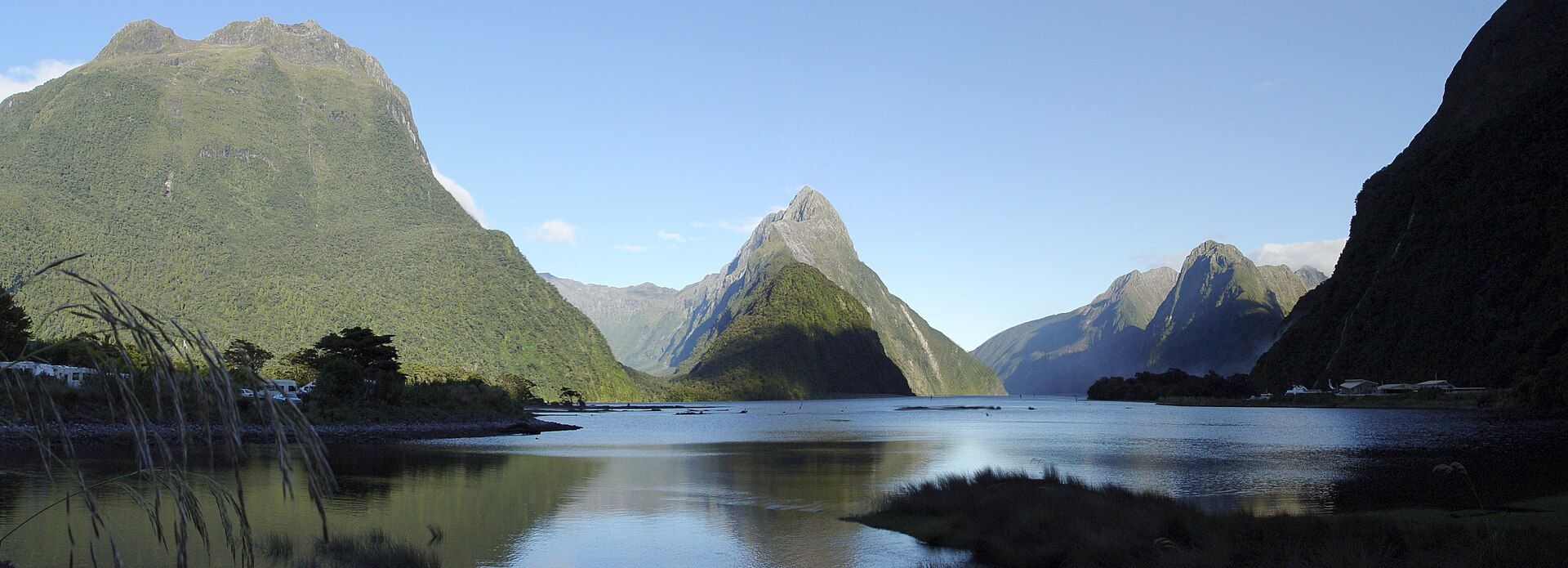
A sheer fjord of cliffs and waterfalls in Fiordland — cruised from Te Anau, the South Island's showpiece.
-
Aoraki / Mount Cook 2 nights
Canterbury, South Island, New Zealand
New Zealand's highest peak above glacier-fed Lake Pukaki — alpine walks and dark-sky nights.
-
Tongariro National Park 2 nights
Central Plateau, North Island, New Zealand
The volcanic plateau of the Tongariro Alpine Crossing — emerald lakes and red craters on the North Island.
-
Rotorua Geothermal Field 2 nights
Bay of Plenty, North Island, New Zealand
Geysers, mud pools, and steaming terraces in the heart of the North Island's volcanic zone.
Day by day
-
Fiordland & Milford Sound
Base Te Anau, South Island
- Fly into Queenstown; drive to Te Anau — about 2h
Base in Te Anau and take the road to Milford Sound — one of the world's great drives — for a cruise beneath its waterfalls and cliffs.
-
To Aoraki/Mount Cook
Base Aoraki/Mount Cook village
- Drive north past the Southern Lakes — about 4–5h
Cross to the turquoise expanse of Lake Pukaki beneath Aoraki. Walk the Hooker Valley to the glacier lake, and stay for the dark-sky stars.
-
Cross to the North Island
Base Tongariro / National Park
- Drive to Christchurch and fly to the central North Island (or ferry the Cook Strait)
A travel day linking the islands — a short flight north, or the scenic Cook Strait ferry for those with time — to the volcanic plateau.
-
Tongariro Alpine Crossing
Base Tongariro / National Park
- The one-way Tongariro Alpine Crossing — about 19 km, 7–8h
Walk the famous crossing past the Emerald Lakes and Red Crater beneath the volcanoes — a long, exposed, weather-dependent day.
-
Rotorua's geothermal fields
Base Rotorua, North Island
- Drive north to Rotorua — about 3h
Finish among the geysers, mud pools, and coloured terraces of Rotorua, with Māori cultural experiences alongside the geothermal parks. Fly home from Rotorua or Auckland.
What it costs
Per person, two sharing, 9 nights. Excludes international flights to New Zealand.
| Category | Range (per person) |
|---|---|
| TransportCar or campervan hire and fuel on both islands, plus the inter-island flight or ferry. | NZ$1,500–4,500 |
| Lodging9 nights from holiday parks and hostels to hotels and lodges. | NZ$1,600–5,000 |
| FoodSelf-catering and cafés to restaurants. | NZ$800–2,000 |
| Fees & guidesMilford cruise, Tongariro shuttle, geothermal park entries, and cultural experiences. | NZ$500–1,400 |
| Estimated total | NZ$4,400–12,900 |
What moves the number
- Campervan/self-catering vs hotels and eating out
- Inter-island ferry (cheaper, slower) vs flight
- Peak-summer pricing and how early you book
- Season and the NZD exchange rate
Indicative mid-2026 ranges; confirm current fares, cruise, and shuttle prices before booking. Roughly US$2,400–7,300 per person at mid-2026 exchange rates, excluding international flights. These are honest ranges, not quotes — real prices swing with season, group size, and how you travel. Always confirm current fares, room rates, permits, and fees with operators before you commit.
Best season & getting around
🗓️ Best time to go
The southern summer and shoulder months — roughly November to April — are best, with the most settled weather for the Milford cruise, the alpine walks at Aoraki, and the exposed Tongariro Crossing. The Crossing in particular needs a clear, calm day and is often closed by wind or snow outside summer.
🧭 Getting around
Self-drive is the way to see New Zealand — a rental car or campervan on each island, linked by a short domestic flight or the Cook Strait ferry. Milford cruises and the Tongariro Crossing shuttle are booked locally; the Crossing is a one-way walk needing a shuttle back.
Know before you go
- The Tongariro Alpine Crossing is a long, exposed, one-way alpine walk — check the forecast and DOC status, carry layers, and book the shuttle; it closes in bad weather.
- Milford Sound's road and cruises are weather-dependent (and gloriously moody in rain) — allow a buffer day in Fiordland.
- Distances between highlights are long; a campervan doubles as transport and lodging and suits the driving distances well.
- All distances, times, and prices are approximate and shift with season and demand.
New Zealand crams an outsized range of wild country into two islands, and this route takes in the very best of both. The South Island brings the sheer, waterfall-hung fjord of Milford Sound and the glacier-fed alpine world beneath Aoraki/Mount Cook; the North Island answers with the volcanic drama of the Tongariro Crossing and the steaming geothermal fields of Rotorua. Between them lies a short flight or a scenic ferry across the Cook Strait.
It is a driving trip built for the settled days of the southern summer, when the Milford cruise, the alpine walks, and the exposed Tongariro Crossing are all at their best. Take a campervan if you can, keep a buffer day for Fiordland’s weather, and let the road link one extraordinary landscape to the next.
New Zealand: South to North: common questions
How many days is the New Zealand: South to North?
9–12 days — the plan is built around 9 nights. Both islands, linked by a short flight or the Cook Strait ferry
When is the best time to do the New Zealand: South to North?
The southern summer and shoulder months — roughly November to April — are best, with the most settled weather for the Milford cruise, the alpine walks at Aoraki, and the exposed Tongariro Crossing. The Crossing in particular needs a clear, calm day and is often closed by wind or snow outside summer.
How much does the New Zealand: South to North cost?
A rough guide is NZ$4,000–12,000 per person (Per person, two sharing, 9 nights. Excludes international flights to New Zealand.). Indicative mid-2026 ranges; confirm current fares, cruise, and shuttle prices before booking. Main cost variables: Campervan/self-catering vs hotels and eating out; Inter-island ferry (cheaper, slower) vs flight; Peak-summer pricing and how early you book.
How do you get around on the New Zealand: South to North?
Self-drive is the way to see New Zealand — a rental car or campervan on each island, linked by a short domestic flight or the Cook Strait ferry. Milford cruises and the Tongariro Crossing shuttle are booked locally; the Crossing is a one-way walk needing a shuttle back.
Which natural wonders does the New Zealand: South to North include?
Milford Sound, Aoraki / Mount Cook, Tongariro National Park, Rotorua Geothermal Field.
Added