🇨🇺 Natural wonders of Cuba
The largest island in the Caribbean, with limestone country in the west where round-topped mogotes rise straight out of red tobacco fields, and reef, mangrove and wetland along much of the coast.
🗓️ Best time for nature: The dry season, roughly December to April, gives the most comfortable weather and the clearest water. June to November is the Atlantic hurricane season — hot, humid and carrying real storm risk.
The lay of the land
Cuba's most distinctive landscapes are made of limestone. In the far west, the Sierra de los Órganos has been dissolving and collapsing for millions of years until only the most resistant cores remain — the mogotes, steep-sided limestone towers with rounded tops standing as much as 300 metres out of flat valley floors. It is the same tower-karst process that produced Ha Long Bay and the hills around Guilin, transplanted to the Caribbean. Elsewhere the island runs to reef-fringed coast, extensive mangrove, the Zapata wetlands — among the most important in the Caribbean for birds — and a mountainous southeast around the Sierra Maestra. Long isolation has also left Cuba with a striking share of species found nowhere else, including the bee hummingbird, the smallest bird on Earth at around six centimetres.
Where to begin
-
Viñales Valley
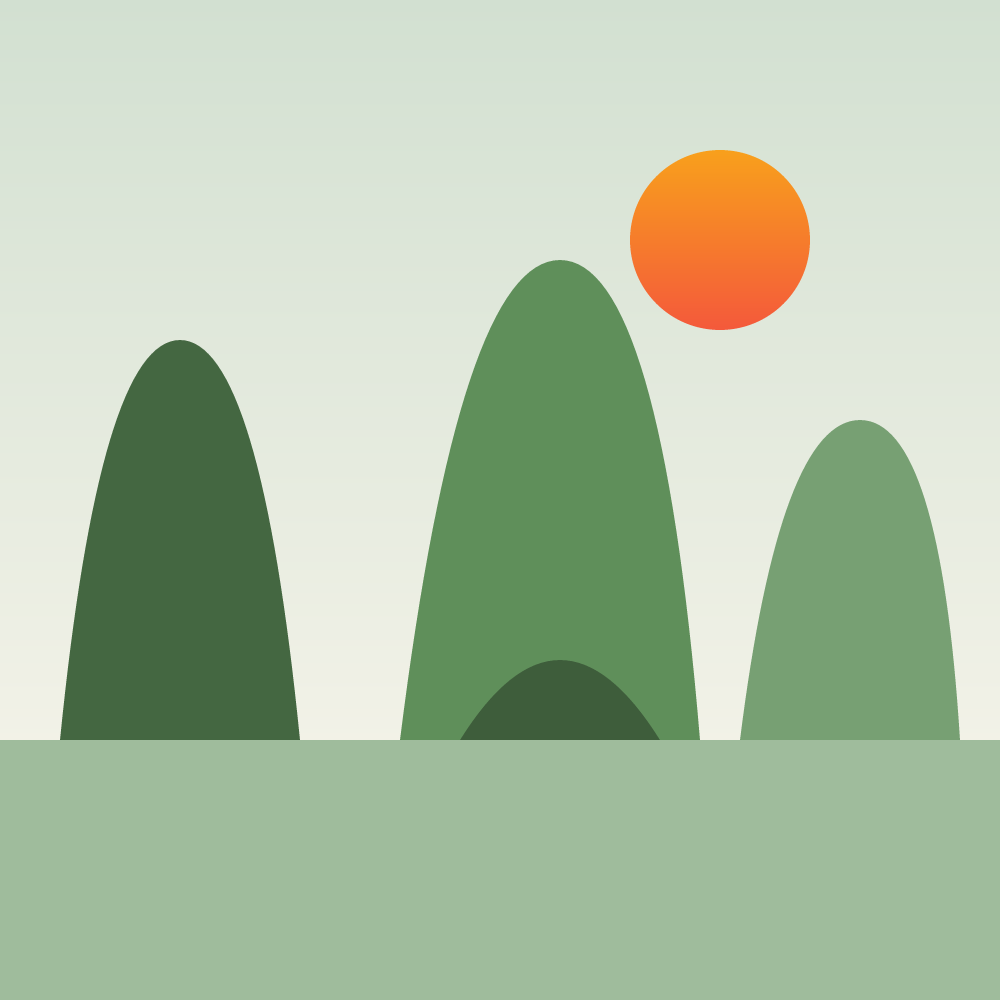
Limestone mogotes standing out of tobacco fields in the Sierra de los Órganos.
A taste of the place
Cuban cooking is built on rice and beans, roast pork, plantain in several forms, and root vegetables such as yuca and malanga — alongside strong coffee and the sugar cane that shaped the island's economy for centuries.
Traveling responsibly
- Come in the dry season; the hurricane months bring genuine disruption.
- Bring more cash than you expect — card acceptance and connectivity are both unreliable.
- Viñales is roughly three hours west of Havana and rewards an overnight rather than a day trip.
Cuba is the largest island in the Caribbean, and its most striking landscapes are the work of water on limestone. In the far west, the Sierra de los Órganos has spent millions of years dissolving from the inside out. Caves widened, roofs fell in, and what survived are the mogotes — steep-sided limestone towers with rounded tops, rising as much as 300 metres straight out of flat-floored valleys. It is the same tower-karst process that built Ha Long Bay and the hills around Guilin, transplanted to the Caribbean and planted with tobacco.
Beyond the west the island runs to reef-fringed coast, extensive mangrove, and the Zapata wetlands, among the most important bird habitat in the Caribbean. Long isolation has left Cuba with an unusual share of species found nowhere else, including the bee hummingbird — at around six centimetres, the smallest bird in the world. This chapter of the atlas begins in the mogote country of the west.
Added
All wonders in Cuba
1 places
Viñales Valley
Sierra de los Órganos, Pinar del Río Province, western Cuba